
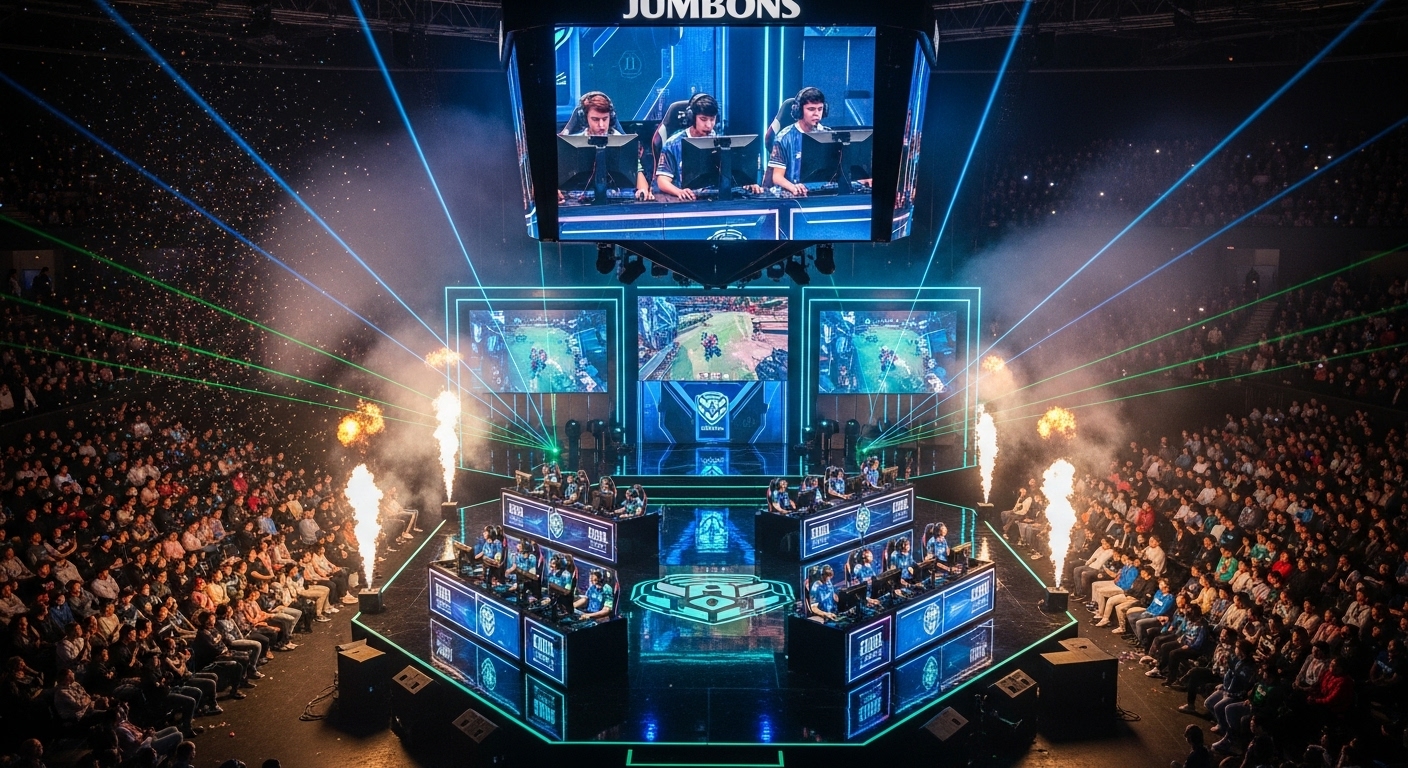
In recent years, esports has evolved from a niche hobby to a global phenomenon. What began as casual gaming in basement tournaments has transformed into a multi-billion-dollar industry with professional players, massive fanbases, and high-stakes competitions. Today, esports is recognized as a legitimate sport by many, attracting millions of viewers and players around the world. In fact, esports events now rival traditional sporting events in terms of viewership and engagement. This transformation has not only reshaped the gaming industry but also changed the way we think about competition, entertainment, and community.
In this blog post, we will explore the rise of esports, its impact on the gaming community and the broader entertainment industry, and what the future holds for competitive gaming. We will look at the key factors that have driven its growth, the major games and tournaments that have defined esports, and the role of technology and innovation in shaping its future.
The Origins of Esports: From Casual Gaming to Professional Competition
The roots of esports can be traced back to the early days of video gaming when players began competing against each other in informal settings. The first competitive video game tournaments date back to the 1970s, with events like the “Space Invaders Championship” in 1980 marking one of the first organized competitions. However, it wasn’t until the late 1990s and early 2000s that esports truly began to take shape as a professional industry.
The release of iconic games like “StarCraft” and “Quake” in the late 1990s helped establish the foundation for modern esports. These games were among the first to feature online multiplayer modes that allowed players to compete against each other remotely. With the rise of the internet, competitive gaming began to attract a larger audience, and esports tournaments started to gain traction.
In South Korea, the emergence of “StarCraft” as a national pastime in the early 2000s played a crucial role in the development of esports. The country’s investment in infrastructure, such as high-speed internet and dedicated gaming arenas, set the stage for esports to flourish. South Korea became the epicenter of esports culture, with television networks broadcasting major tournaments and players achieving celebrity status. The success of “StarCraft” and the rise of competitive gaming in South Korea laid the groundwork for the global growth of esports.
The Global Explosion of Esports
In the past decade, esports has exploded in popularity, with major tournaments and leagues attracting millions of viewers and offering substantial prize pools. What was once a hobby for a small group of enthusiasts has become a global industry with millions of fans and players. According to recent estimates, the global esports market is expected to surpass $1 billion in revenue by 2023, driven by advertising, sponsorships, media rights, and ticket sales.
Several factors have contributed to this meteoric rise. First, the increasing accessibility of gaming platforms and high-speed internet has made it easier for players from all over the world to participate in esports. The availability of free-to-play games like “League of Legends,” “Fortnite,” and “Dota 2” has lowered the entry barrier for new players, allowing a larger pool of talent to emerge.
Second, the development of streaming platforms like Twitch and YouTube Gaming has played a critical role in expanding the audience for esports. These platforms allow fans to watch live tournaments, follow their favorite players, and interact with the gaming community in real-time. Twitch, in particular, has become the go-to platform for esports broadcasts, with millions of viewers tuning in to watch major events and follow popular streamers.
The rise of esports has also been fueled by the increasing mainstream acceptance of gaming. Once seen as a pastime for teenagers and young adults, gaming has now become a mainstream form of entertainment. Major brands and advertisers have recognized the potential of esports to reach a highly engaged audience, leading to sponsorships and partnerships with esports teams and events. Traditional sports organizations, such as the NBA and NFL, have also gotten involved in esports, either by launching their own leagues or investing in esports franchises.
The Major Esports Titles and Tournaments
Esports is home to a wide variety of games, each with its own unique appeal and competitive community. Some of the most popular esports titles have become household names, attracting massive player bases and global fan followings. Let’s take a look at some of the major esports games and the tournaments that define them.
League of Legends (LoL)
“League of Legends” is one of the most popular and influential esports games in the world. Released by Riot Games in 2009, LoL is a multiplayer online battle arena (MOBA) game that pits two teams of five players against each other in strategic combat. With its fast-paced action, strategic depth, and ever-evolving meta, “League of Legends” has become the cornerstone of the esports industry.
The League of Legends World Championship, also known as Worlds, is one of the biggest esports events globally. Held annually, it attracts millions of viewers from around the world, with the best teams from various regions battling for the title of World Champion. The event’s prize pool has grown significantly over the years, reaching millions of dollars, and it features intense matches that are broadcasted live on streaming platforms like Twitch.
Dota 2
“Dota 2,” developed by Valve Corporation, is another highly popular esports title that has had a significant impact on the competitive gaming scene. Like “League of Legends,” “Dota 2” is a MOBA game, but it features a different style of gameplay, with more complex mechanics and a steeper learning curve. Despite its difficulty, “Dota 2” has garnered a large following due to its strategic depth and high level of competition.
The International (TI) is the premier tournament for “Dota 2” and one of the most prestigious events in esports. TI offers one of the largest prize pools in esports, often exceeding $30 million, with the majority of the money coming from crowdfunding efforts. The event features the best “Dota 2” teams from around the world, with thrilling matches and intense rivalries that keep fans on the edge of their seats.
Counter-Strike: Global Offensive (CS:GO)
“Counter-Strike: Global Offensive” (CS:GO) is one of the oldest and most enduring esports titles. Originally released in 2012, the game is a first-person shooter (FPS) that pits two teams against each other: the Terrorists and the Counter-Terrorists. The game’s focus on strategy, skill, and teamwork has made it a staple in the esports community, with professional teams competing in tournaments around the world.
The CS:GO Major Championships are the most prestigious events in the game’s competitive scene. These tournaments attract top-tier teams and offer significant prize money, with the event’s final matches often drawing millions of viewers. The competitive nature of CS:GO, combined with its emphasis on precision shooting and tactics, makes it one of the most exciting esports to watch.
Fortnite
“Fortnite,” developed by Epic Games, is a battle royale game that has taken the world by storm. Since its release in 2017, “Fortnite” has become a cultural phenomenon, attracting millions of players and viewers alike. The game’s unique combination of building mechanics, fast-paced action, and colorful graphics has made it a favorite among casual and competitive players.
Fortnite’s competitive scene has grown rapidly, with the Fortnite World Cup becoming one of the most high-profile esports events in recent years. In 2019, the Fortnite World Cup offered a massive prize pool of $30 million, with the solo champion taking home $3 million. The event drew huge crowds and was broadcast to millions of viewers around the world, solidifying Fortnite’s place as a major player in the esports ecosystem.
The Role of Technology in Esports
Esports is fundamentally intertwined with technology, and the rapid advancements in gaming hardware, software, and internet infrastructure have played a significant role in its growth. From high-performance gaming PCs to ultra-low-latency internet connections, technology has made it possible for players to compete at the highest level and for fans to experience esports like never before.
Streaming platforms like Twitch have revolutionized the way esports content is consumed, allowing fans to watch live events, follow professional players, and interact with the community. Social media platforms like Twitter and Instagram have also helped esports teams and players build their brands and connect with fans directly.
In addition to streaming and broadcasting, technology has also influenced the way esports tournaments are organized and executed. Advanced production techniques, such as multi-camera setups, real-time statistics, and live commentary, have enhanced the viewing experience, making esports broadcasts as engaging as traditional sports events.
The Future of Esports: Opportunities and Challenges
As esports continues to grow, there are several exciting opportunities and challenges on the horizon. One of the biggest opportunities is the potential for esports to be included in the Olympic Games. The International Olympic Committee (IOC) has already expressed interest in exploring the possibility of esports becoming an official Olympic sport, though concerns around regulation, violence in games, and the definition of a “sport” need to be addressed.
The continued rise of mobile esports is another trend to watch. With the increasing popularity of mobile gaming, especially in regions like Asia, mobile esports is becoming a rapidly growing sector within the industry. Games like “PUBG Mobile” and “Arena of Valor” are attracting millions of players and spectators, offering new opportunities for professional competition and monetization.
However, esports also faces challenges, particularly in terms of player health and well-being. The intense demands of professional gaming can take a toll on players, with many facing physical and mental health issues such as eye strain, carpal tunnel syndrome, and burnout. As the industry matures, there will need to be a greater focus on player health, with better support systems and guidelines for maintaining balance in their lives.