

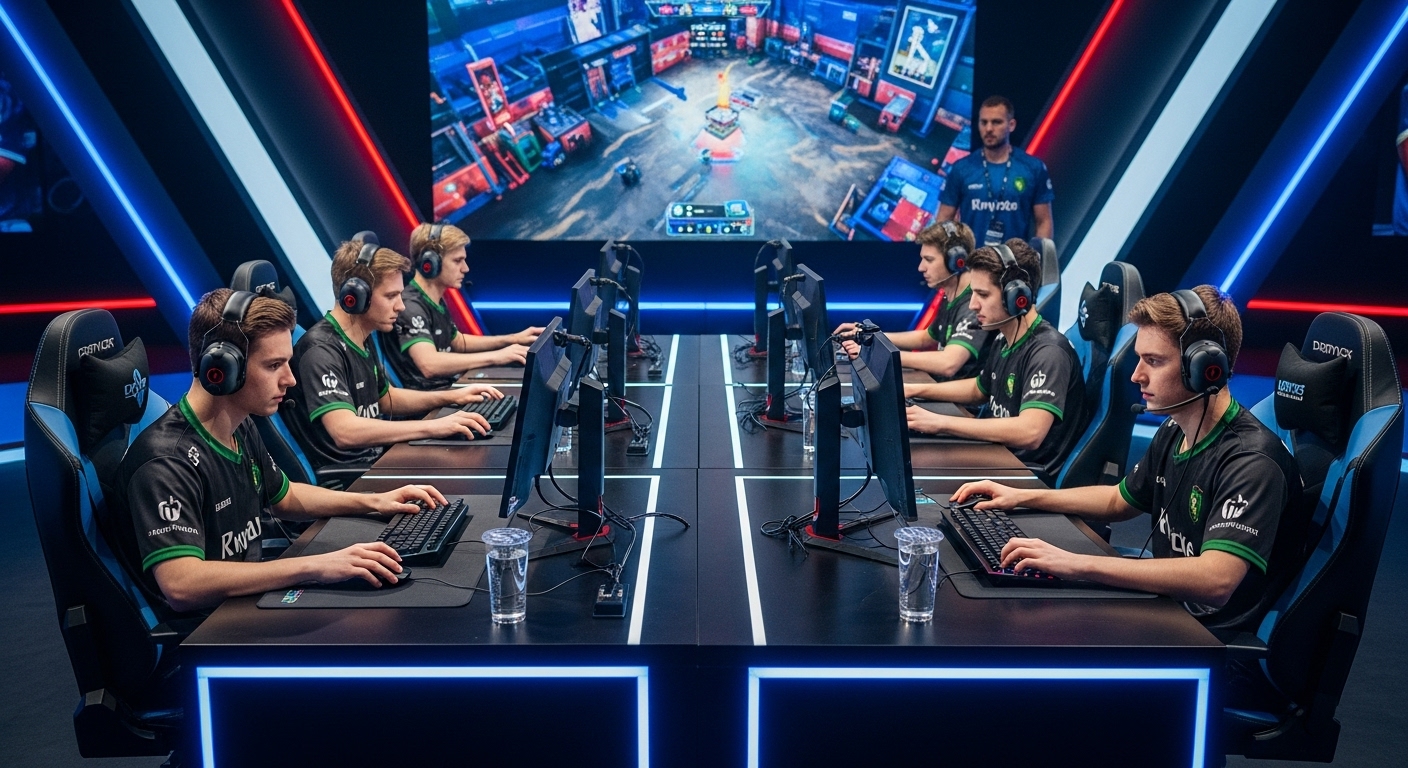
Introduction: A New Era of Competition
In the 21st century, competition has taken on a new digital form. Esports, or electronic sports, has transformed the way people perceive skill, strategy, and athleticism. What was once dismissed as a pastime for hobbyists and teenagers has grown into a billion-dollar industry with professional players, massive tournaments, and a global fanbase. Esports is no longer confined to small rooms with computers; it now commands arenas, online streaming platforms, and the attention of millions worldwide. Its rise is emblematic of a broader cultural shift where digital experiences carry as much weight and excitement as traditional sports.
The Evolution of Competitive Gaming
Esports did not emerge overnight. In the early 1990s and 2000s, competitive gaming was primarily local. Players met in arcades, basements, or internet cafes to challenge each other in titles like Street Fighter, StarCraft, and Counter-Strike. These early competitions were small-scale, often organized by enthusiasts with little infrastructure or recognition. The advent of the internet and multiplayer gaming changed everything. Players from around the world could now compete in real time, giving rise to online tournaments and international competitions. This global connectivity laid the foundation for esports as a professional and commercial enterprise.
The Professionalization of Esports
As esports grew, it became increasingly professionalized. Teams operate like traditional sports franchises, complete with coaches, analysts, nutritionists, and training schedules. Players devote hours each day to honing their skills, studying opponents, and practicing strategies. Gaming houses provide dedicated spaces for practice and team coordination. Titles such as League of Legends, Dota 2, and Counter-Strike: Global Offensive have established professional leagues with significant prize pools, drawing sponsorships from major brands. The level of dedication and discipline required highlights that esports is not merely a hobby; it is a demanding profession that requires both mental agility and physical endurance.
The Rise of the Esports Athlete
Esports athletes are redefining what it means to be a professional competitor. Unlike traditional sports, the primary tools of an esports player are reflexes, strategic thinking, and teamwork. Players must maintain peak mental focus while making split-second decisions that can determine the outcome of a match. The pressures of competition, public scrutiny, and intensive schedules demand strong resilience. Professional players often follow strict routines that include physical exercise, mental training, and proper nutrition to sustain peak performance. Esports has transformed talented gamers into globally recognized athletes, respected for their skill, strategy, and discipline.
The Spectator Experience
Watching esports has become a cultural phenomenon in itself. Platforms like live-streaming services allow millions of viewers to watch competitions in real time, complete with commentary, instant replays, and in-depth analysis. Fans interact with commentators, discuss strategies, and follow their favorite players and teams. Unlike traditional sports, esports spectatorship is highly interactive; viewers can engage with tournaments, vote on outcomes, and participate in fan communities. Esports broadcasts have become more than games—they are entertainment events, social experiences, and opportunities for fans to connect with a global audience.
Mental and Physical Demands of Competitive Gaming
Competitive gaming requires remarkable mental acuity. Players must process large amounts of information quickly, anticipate opponents’ moves, and make decisions under extreme pressure. Communication and teamwork are crucial, especially in team-based games, where coordination can make the difference between victory and defeat. Physical health also plays a role. Maintaining stamina, managing stress, and avoiding repetitive strain injuries are essential for sustaining long careers. Sports psychologists and trainers are often employed to optimize mental health, focus, and performance. The balance of cognitive, strategic, and physical demands makes esports a truly multifaceted form of competition.
The Economic Impact of Esports
Esports is a booming global industry. Revenues come from sponsorships, advertising, media rights, merchandise, and in-game purchases. Organizations operate as professional franchises, managing teams, marketing, and branding. Tournaments attract significant investment, filling arenas and drawing millions of online viewers. Cities and institutions recognize the economic potential, hosting international events that drive tourism and global attention. Universities now offer scholarships for esports athletes, reflecting both the cultural legitimacy and financial significance of the industry. The economic footprint of esports demonstrates its transformation from niche hobby to mainstream industry.
Technology as the Driving Force
Technology is the backbone of esports. High-performance computers, fast internet connections, and advanced peripherals enable players to perform at elite levels. Streaming technology allows real-time access for fans worldwide, while analytics and artificial intelligence help teams develop strategies and improve performance. Emerging innovations such as virtual reality, augmented reality, and cloud gaming promise to further enhance both the competitive and spectator experience. The symbiotic relationship between technology and esports drives continuous growth, innovation, and audience engagement.
Cultural Acceptance and Influence
Esports has shifted cultural perceptions of gaming. Once viewed as an isolating hobby, competitive gaming is now celebrated for skill, strategy, and entertainment. Professional players have become public figures, influencers, and role models. Educational institutions incorporate esports into their programs, offering scholarships and opportunities for skill development. Gaming culture has penetrated mainstream society, shaping how people interact, socialize, and entertain themselves. The acceptance of esports reflects a broader societal embrace of digital culture and the recognition of new forms of achievement and talent.
Global Reach and Accessibility
One of the most powerful aspects of esports is its global accessibility. Unlike traditional sports, which often require specific facilities, esports can be played and watched anywhere with an internet connection. International competitions bring together players from multiple continents, creating a truly global community. Countries like South Korea, China, and the United States dominate the competitive scene, but emerging regions such as Southeast Asia, South America, and Africa are rapidly gaining recognition. Esports bridges cultural and geographic divides, offering a platform for talent and competition regardless of location.
Education and Skill Development
Esports offers significant educational and professional benefits. Universities provide programs in esports management, game design, and digital media. Players develop critical skills such as strategic thinking, communication, teamwork, and decision-making. Participation in esports nurtures creativity, technological literacy, and analytical reasoning, preparing students for careers in gaming, technology, and media industries. Beyond gameplay, esports teaches time management, leadership, and problem-solving, equipping individuals with transferable skills valuable in a variety of professional contexts.
Challenges in the Industry
Despite rapid growth, esports faces challenges. Player burnout, mental health issues, and rigorous schedules are common concerns. Ethical issues such as cheating, match-fixing, and doping occasionally tarnish the industry’s reputation. Rapid commercialization raises questions about balancing profit with player welfare. To sustain long-term growth, the industry must prioritize regulation, player protection, and ethical standards. Addressing these challenges ensures esports remains a legitimate, sustainable, and respected competitive field.
The Future of Esports
The future of esports is limitless. Advances in virtual reality, mixed reality, and cloud gaming will create more immersive and interactive experiences for both players and fans. Emerging markets will expand the competitive landscape, while new technologies may redefine the relationship between spectators and participants. Esports will continue to influence education, media, and culture, redefining entertainment, social interaction, and global competition. The evolution of esports demonstrates how digital innovation can transform not only games but society itself.
Conclusion: The Lasting Impact of Esports
Esports has redefined the concept of competition in the modern world. From humble beginnings in small tournaments to global events with millions of viewers, it has grown into a cultural, economic, and technological force. Beyond entertainment, esports fosters community, education, and professional opportunity, showing that digital platforms can create meaningful human connections. Esports is more than a game—it is a lifestyle, a career, and a symbol of how competition and innovation continue to evolve in the digital age. As technology progresses and society embraces digital culture, esports will remain at the forefront of shaping how we play, watch, and connect with one another.