

Introduction
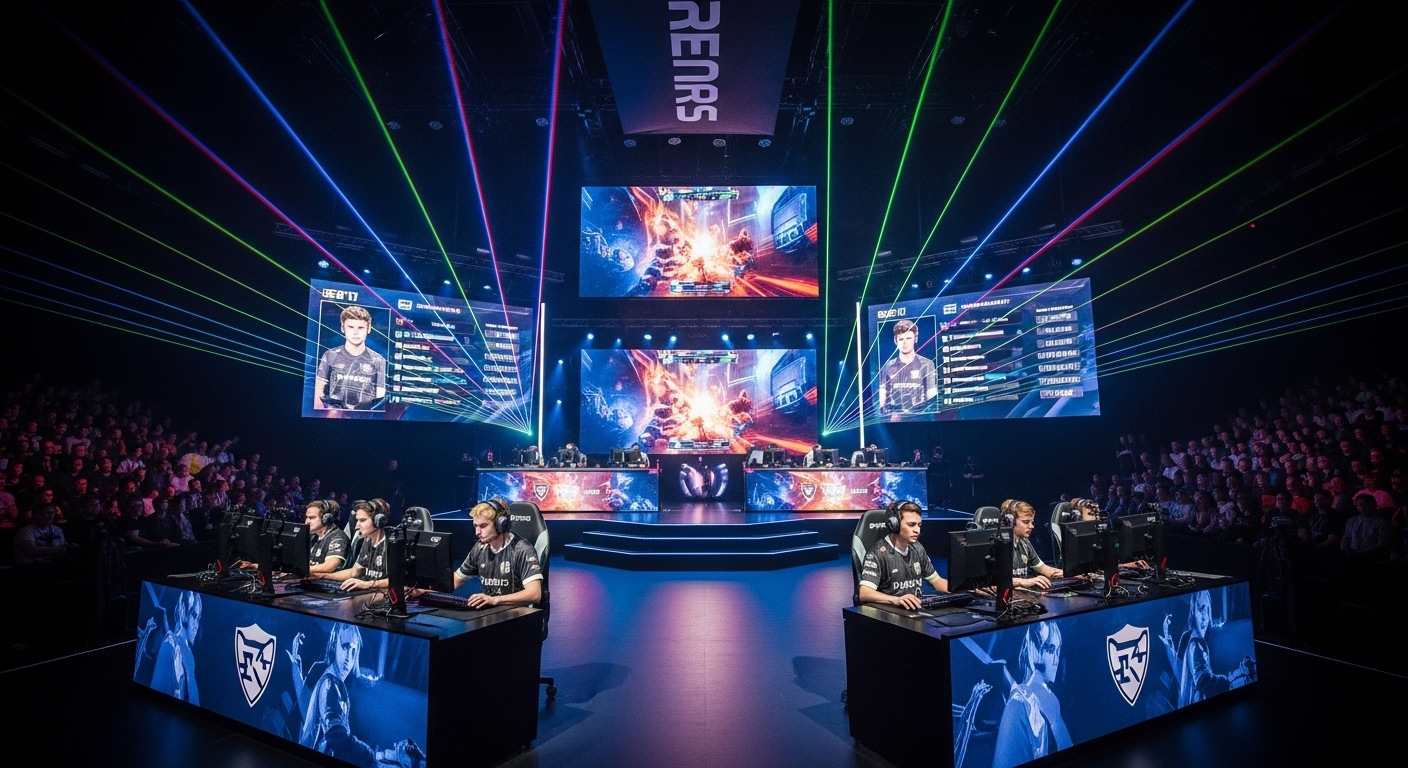
Esports, or competitive video gaming, has grown from a niche hobby into a global phenomenon that attracts millions of players and fans worldwide. Once dismissed as casual entertainment, esports now features professional leagues, high-stakes tournaments, and celebrity gamers whose influence rivals traditional sports athletes. From multiplayer strategy games to first-person shooters and virtual sports simulations, esports spans multiple genres and appeals to diverse audiences. Beyond gameplay, esports reflects the intersection of technology, culture, and career development, offering unique opportunities for players, communities, and industries worldwide.
The Origins of Esports
Esports traces its roots to the 1970s and 1980s, when arcade competitions and early home gaming systems allowed players to compete locally. Early tournaments for games such as Space Invaders and Pac-Man set the stage for competitive gaming. The 1990s saw a significant shift with the rise of multiplayer PC games like StarCraft, Quake, and Counter-Strike. These games introduced structured competitions, ranking systems, and team play, laying the foundation for modern esports leagues. With the advent of the internet and online multiplayer platforms, competitions expanded from local arenas to global stages, allowing players to connect, compete, and watch games from virtually anywhere in the world.
Esports as a Professional Career
Esports has evolved into a legitimate professional career, offering opportunities comparable to traditional sports. Professional players dedicate extensive hours to practice, strategy development, and teamwork. High-level competitions feature significant prize pools, sponsorship deals, and endorsement opportunities. Careers in esports extend beyond playing; coaching, team management, event production, commentary, and content creation are all integral parts of the industry. Many universities now offer esports scholarships, blending education with competitive gaming and providing pathways for young players to build professional careers. This professionalization underscores the growing legitimacy of esports as a recognized industry.
The Role of Streaming Platforms in Esports
Streaming platforms have revolutionized esports, enabling live broadcasts of competitions to millions of viewers worldwide. These platforms allow fans to follow professional players, engage in real-time discussions, and access tutorials or strategy content. Streaming has also empowered content creators to build audiences and monetize gameplay, creating alternative career paths within the esports ecosystem. The accessibility of streaming has democratized esports, connecting players and fans from all regions and making competitive gaming a global spectacle.
Youth Engagement and Skill Development
Esports provides unique opportunities for youth engagement and skill development. Competitive gaming fosters cognitive skills such as problem-solving, strategic thinking, and multitasking under pressure. It also encourages teamwork, communication, and leadership abilities. While concerns about screen time and sedentary behavior exist, structured esports programs with coaching and balanced practice schedules can mitigate these risks. Young players learn resilience, discipline, and goal-setting, skills that extend into academics, careers, and personal development.
Community Building Through Esports
Esports has a strong community-building component. Online teams, guilds, and fan groups create social connections and foster collaboration among players. Fans engage through forums, chats, and social media, forming communities that share strategies, experiences, and support. Offline events, including tournaments, conventions, and fan meetups, further strengthen social bonds, offering opportunities for networking and celebrating shared passion. Unlike traditional sports, esports allows players and fans to connect across geographic boundaries, creating global communities centered around shared interests.
Technological Advancements Driving Esports
Technology is central to the growth and evolution of esports. High-performance computers, gaming consoles, and high-speed internet enable professional-grade gameplay and live streaming. Advanced analytics allow players to study opponents, track performance, and refine strategies. Innovations in virtual reality, augmented reality, and artificial intelligence are transforming both gameplay and audience engagement. Technology ensures esports remains immersive, competitive, and accessible, blurring the lines between gaming, sports, and entertainment.
Economic Impact of Esports
Esports has become a multibillion-dollar industry, generating revenue through tournament prize pools, sponsorships, merchandise sales, media rights, and streaming platforms. Professional teams receive support from technology companies, lifestyle brands, and investors, while tournaments drive tourism and stimulate local economies. The industry also offers diverse employment opportunities in coaching, event management, broadcasting, marketing, and content creation. Esports’ economic significance demonstrates its sustainability and legitimacy as a global entertainment sector.
Inclusivity and Accessibility
Esports is inherently inclusive, allowing players of all genders, ages, and physical abilities to compete. Adaptive gaming technology has expanded participation for players with disabilities, while female-focused tournaments and initiatives promote diversity and representation. Unlike many traditional sports, where physical limitations can restrict participation, esports emphasizes skill, strategy, and teamwork, creating a level playing field for all players. This inclusivity is one of esports’ defining strengths, broadening opportunities for engagement and competition.
Cultural Influence of Esports
Esports has become a cultural phenomenon, influencing music, fashion, media, and social trends. Professional gamers achieve celebrity status, collaborating with mainstream artists, participating in media campaigns, and inspiring fan communities. Esports events combine competition with entertainment, social interaction, and merchandise, creating experiences that extend beyond gameplay. Games inspire creative content, including fan art, videos, and social media engagement, integrating esports into popular culture and shaping modern entertainment.
Health and Well-being in Esports
While esports offers cognitive and social benefits, health considerations are essential. Long hours of gameplay can lead to physical strain, mental fatigue, and stress. Professional teams now employ fitness coaches, nutritionists, and mental health professionals to support players’ well-being. Regular exercise, proper nutrition, structured practice schedules, and mental health awareness are integral to sustainable performance. A holistic approach to player health ensures that esports remains a positive and sustainable pursuit.
Esports in Education
Educational institutions increasingly recognize esports as a tool for skill development. Schools and universities offer esports programs that teach teamwork, strategy, digital literacy, and media production. Esports scholarships allow students to pursue competitive gaming while receiving academic support. Programs emphasize critical thinking, problem-solving, and leadership skills, preparing students for careers both within and outside the gaming industry. By bridging education and competitive gaming, esports provides structured opportunities for youth development and professional growth.
The Future of Esports
The future of esports promises further expansion, innovation, and integration into mainstream culture. Emerging technologies such as virtual reality, augmented reality, and artificial intelligence will enhance both gameplay and audience experiences. Greater inclusivity initiatives will ensure opportunities for all players, while global connectivity will continue to unite communities across borders. Esports is poised to become a central pillar of digital entertainment, education, and social engagement, shaping how people play, watch, and connect in the digital age.
Conclusion
Esports has grown from casual gaming into a global industry, redefining entertainment, careers, and social interaction. It fosters skill development, promotes inclusivity, builds communities, and influences modern culture. With technological advancements and professional opportunities, esports provides pathways for players, fans, and creators worldwide. As the industry continues to evolve, its impact on society, careers, and culture will only expand, proving that esports is more than just gaming—it is a transformative force shaping the future of digital competition, community, and creativity.