

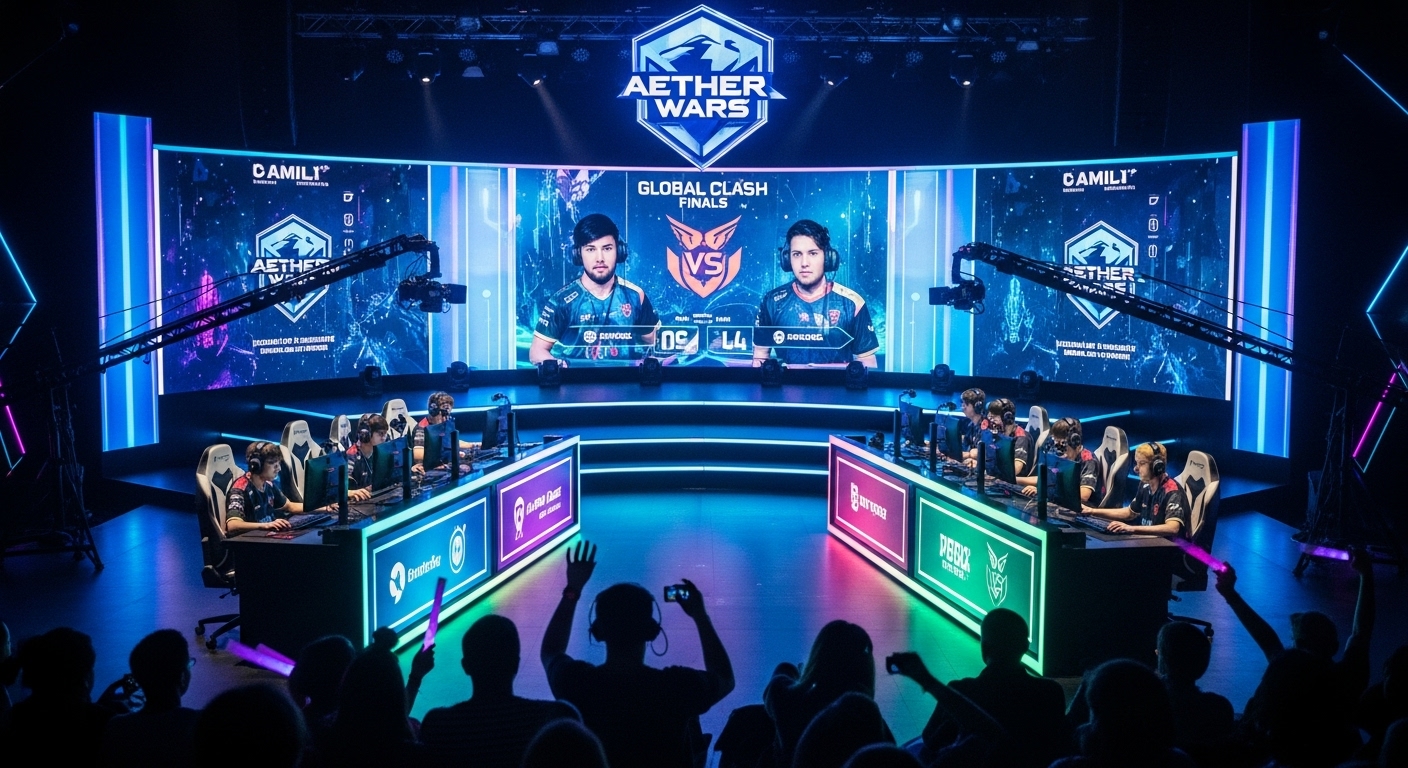
In recent years, esports has evolved from a niche hobby into a global cultural and economic powerhouse. What was once seen as a pastime for gamers has now turned into a multi-billion-dollar industry, attracting millions of viewers, professional athletes, and sponsorship deals from major global brands. The growth of esports has reshaped the landscape of entertainment, creating a new form of competition that appeals to both players and spectators alike. But how did esports reach such unprecedented heights? What are the key factors behind its success? In this post, we’ll explore the rise of esports, its current impact on entertainment, and where it might go in the future.
The Early Days of Esports: Humble Beginnings
The story of esports dates back to the early days of gaming when people first began competing against each other in multiplayer video games. In the 1980s and 1990s, gaming was still very much an isolated activity. The idea of competitive gaming had not yet fully emerged, but gamers were already finding ways to challenge each other. Local tournaments for games like Pong, Space Invaders, and Street Fighter began to crop up in arcades, laying the groundwork for the competitive gaming scene that would emerge in the following decades.
The first true esports event is often considered to be the 1997 Red Annihilation tournament for Quake. This event gathered gamers from across the globe, and the winner, Dennis “Thresh” Fong, was awarded a Ferrari. This marked the beginning of esports as we know it today—a space where competition, skill, and prestige could coincide on a global stage.
In the early years, these competitions were often small-scale affairs, hosted by game developers or gaming communities. But as gaming technology advanced and the internet became more widespread, the potential for large-scale competitive events began to take shape.
The Digital Revolution: Streaming and Global Connectivity
The true explosion of esports came with the advent of broadband internet and live streaming technology. By the late 2000s, the rise of platforms like Twitch began to change the way people interacted with competitive gaming. Twitch, which launched in 2011, provided a platform where gamers could broadcast their gameplay to a global audience. Suddenly, competitive gaming could be experienced not just by players but also by millions of fans who could watch matches in real-time, interact with players, and be a part of the action.
This streaming revolution made esports more accessible than ever before. Fans no longer needed to attend live events or tune in to TV broadcasts to watch their favorite players and teams. Instead, they could log in from anywhere in the world and watch matches, often for free. The ability to broadcast and engage with esports competitions on platforms like Twitch opened up new opportunities for advertisers, sponsors, and content creators.
Streaming also enabled a new kind of community interaction. Viewers could chat with players, support their favorite teams, and participate in live events. It wasn’t just about watching a game; it became an immersive experience that allowed fans to connect directly with the competitive gaming ecosystem. This level of interactivity was one of the key factors in esports’ rapid rise in popularity.
The Professionalization of Esports: From Casual to Career
As esports grew in viewership and cultural significance, the industry began to professionalize. What was once a grassroots activity, mostly driven by fan communities and amateur tournaments, became a full-fledged industry complete with sponsorships, team organizations, coaches, and broadcasters. The professionalization of esports mirrored what we saw in traditional sports: the emergence of dedicated teams, specialized coaches, and even analysts and commentators who helped to make esports more accessible and engaging to the broader public.
Major gaming titles like League of Legends, Counter-Strike: Global Offensive, and Dota 2 began hosting massive tournaments with substantial prize pools, drawing in top-tier players and the best teams from around the world. These tournaments, such as The International and the League of Legends World Championship, offered millions of dollars in prize money, further elevating the profile of esports. Winning these tournaments could provide players with life-changing sums of money, but it also helped to establish esports as a legitimate career path.
As players began to make names for themselves, esports organizations formed around them. These organizations operate much like traditional sports teams, providing infrastructure, coaching, and management for their players. Teams like Cloud9, Team Liquid, and Fnatic became household names in the esports world, attracting millions of fans and securing sponsorships from major global brands like Intel, Red Bull, and Nike. In turn, these brands helped promote esports to a broader audience, contributing to the rapid growth of the industry.
The Financial Impact of Esports: A Multi-Billion-Dollar Industry
Esports has become one of the most financially lucrative sectors in the entertainment industry. The combination of sponsorships, advertising revenue, merchandise sales, media rights, and ticket sales has turned esports into a multi-billion-dollar industry. In fact, esports revenue is projected to surpass $1.6 billion by 2024, with a significant chunk of that revenue coming from sponsorships and advertising.
Major companies have recognized the commercial potential of esports, investing heavily in tournaments, media rights, and team organizations. Big-name brands like Coca-Cola, Mercedes-Benz, and Microsoft have partnered with esports events, creating opportunities for cross-promotion and access to a youthful, tech-savvy audience. Esports has also attracted investment from traditional sports organizations, with franchises like the NBA’s Philadelphia 76ers and the NFL’s Dallas Cowboys purchasing esports teams to capitalize on the growing interest in competitive gaming.
In addition to corporate sponsorships, the rise of esports betting has contributed to the financial expansion of the industry. With the legalization of sports betting in many regions, fans can now wager on their favorite teams and players, adding another layer of engagement to esports competitions. This has led to a further influx of revenue, as betting platforms and sportsbooks partner with esports tournaments to offer odds on matches.
The Global Reach of Esports: Connecting Fans Worldwide
One of the most exciting aspects of esports is its truly global nature. Unlike traditional sports, which can be regionally focused or geographically limited, esports competitions have the potential to bring together players and fans from every corner of the world. The internet has made it possible for players from different countries to compete against each other, leveling the playing field and creating a more inclusive environment for fans and participants alike.
Esports has become especially popular in regions like Asia, North America, and Europe, where large communities of gamers have formed around specific titles. In countries like South Korea, esports is almost as popular as traditional sports, with players becoming national celebrities and tournaments drawing huge crowds. South Korea’s StarCraft scene, for example, helped elevate esports to national prominence, with televised tournaments and sponsorship deals drawing mainstream attention.
In North America and Europe, the rise of popular games like League of Legends, Counter-Strike: Global Offensive, and Overwatch has created an influx of new players and fans. Esports competitions are now held in major arenas and stadiums, drawing thousands of spectators who watch their favorite teams compete for the ultimate prize.
The ability to watch live events via streaming platforms like Twitch, YouTube Gaming, and Facebook Gaming has made esports accessible to fans around the world. Whether it’s tuning in to a high-stakes tournament or watching a casual stream of a popular player, fans can engage with esports in real-time, no matter their location.
Esports in Mainstream Media: Gaining Recognition
As esports continues to grow, it has gained significant recognition in mainstream media. Major television networks like ESPN and TBS have broadcast esports tournaments, bringing competitive gaming to a wider audience. This crossover between esports and traditional sports media has helped validate esports as a legitimate form of competition and entertainment. It also signals a shift in how we view gaming, with esports being recognized as a professional and competitive pursuit on par with traditional sports.
Esports has also become a fixture in pop culture, with gaming influencers and pro players gaining celebrity status. Players like Ninja (Tyler Blevins) and Faker (Lee Sang-hyeok) have millions of followers across social media platforms, turning them into household names. Their influence extends beyond gaming, with brand partnerships, sponsorships, and media appearances making them a significant part of the entertainment landscape.
The rise of esports documentaries, feature films, and even esports-based reality shows also indicates how deeply integrated esports has become into mainstream entertainment. Companies like Netflix and Amazon Prime have produced series about the world of competitive gaming, shedding light on the behind-the-scenes lives of pro players and teams.
The Future of Esports: What’s Next?
The future of esports looks incredibly bright. As technology continues to advance, we can expect even more innovation in the way esports competitions are broadcast, played, and experienced by fans. Virtual reality (VR) and augmented reality (AR) could provide new ways for players and spectators to interact with the game environment, making esports even more immersive.
Esports is also expanding beyond traditional genres like MOBAs and first-person shooters. New games, particularly those in the battle royale and simulation genres, are becoming popular in competitive gaming circles. The variety of games means that there is something for every type of gamer, from strategy enthusiasts to action lovers.
Additionally, as esports continues to grow in popularity, it’s likely that we’ll see more opportunities for grassroots organizations and new players to break into the professional scene. With the democratization of gaming platforms and the continued rise of indie games, the esports ecosystem is becoming increasingly inclusive, offering fresh talent and diverse perspectives.
Conclusion: A New Era of Entertainment
Esports has come a long way from its humble beginnings. What started as a small community of gamers has evolved into a massive, global industry that attracts millions of fans and generates billions in revenue. With its combination of competitive gameplay, engaging streaming platforms, and dedicated fanbase, esports has become a staple