
Esports, short for electronic sports, has rapidly grown into a global powerhouse in the world of entertainment, culture, and competition. What was once considered a pastime for a small community of gamers has blossomed into an industry worth billions of dollars. The world of esports is not only about players sitting in front of screens; it’s a complex ecosystem that includes professional leagues, massive prize pools, streaming platforms, and millions of fans. In this blog post, we’ll dive deep into the rise of esports, its cultural impact, the professionalization of the scene, and the future of this digital revolution that is reshaping traditional sports.
The Beginnings of Esports: From Casual Games to Competitive Arenas
Esports traces its origins back to the 1970s and 1980s, when competitive gaming began as local tournaments for arcade games like Space Invaders and Pong. The early days of esports were relatively simple, with players battling for bragging rights or small prizes. As technology advanced, so did the scale of the competition. By the late 1990s, games like StarCraft and Quake helped establish the foundation for modern competitive gaming. These games introduced complex strategies, team dynamics, and high-level skill, which set the stage for professional tournaments.
The real turning point came in the early 2000s when high-speed internet became more accessible, enabling players to compete against others from across the globe. Games like Warcraft III and Counter-Strike paved the way for large-scale online competitions, while the rise of platforms like Twitch allowed players to stream their gameplay to an international audience. Esports began to evolve from small gatherings to large-scale tournaments, and the growing fan base began to treat esports as seriously as traditional sports.
The Professionalization of Esports
As esports grew in popularity, so did the level of professionalism. Today, esports is a multi-billion-dollar industry, with top players earning millions of dollars in salary and sponsorship deals. The industry now includes professional leagues, team organizations, coaches, analysts, broadcasters, and event organizers. Just like in traditional sports, professional players spend hours practicing and honing their skills to stay at the top of their game.
The introduction of major esports tournaments, such as the League of Legends World Championship and The International for Dota 2, has propelled esports into the spotlight. These events attract millions of viewers, both online and in arenas, with prize pools that rival those of traditional sports competitions. The International 2019, for example, featured a prize pool of over $30 million, demonstrating the financial muscle of the esports scene.
Professional esports players are not only skilled in their chosen games but also employ strategies akin to traditional athletes. They have trainers, nutritionists, psychologists, and coaches who help them stay at peak performance. Much like football or basketball players, esports athletes work in teams, strategize, and spend months preparing for high-stakes tournaments. This level of dedication and professionalism has led to the growing recognition of esports as a legitimate form of competition.
The Spectacle of Esports: Streaming and Global Viewership
One of the key factors behind the rise of esports has been the ability to broadcast live gaming events to a global audience. Streaming platforms like Twitch, YouTube Gaming, and Facebook Gaming allow fans to watch live competitions, interact with players, and share the excitement of the game in real-time. These platforms have not only brought esports to the masses but have also created a new wave of celebrity for players and teams. Streamers such as Ninja, Shroud, and PewDiePie have amassed millions of followers, with their broadcasts drawing in millions of viewers worldwide.
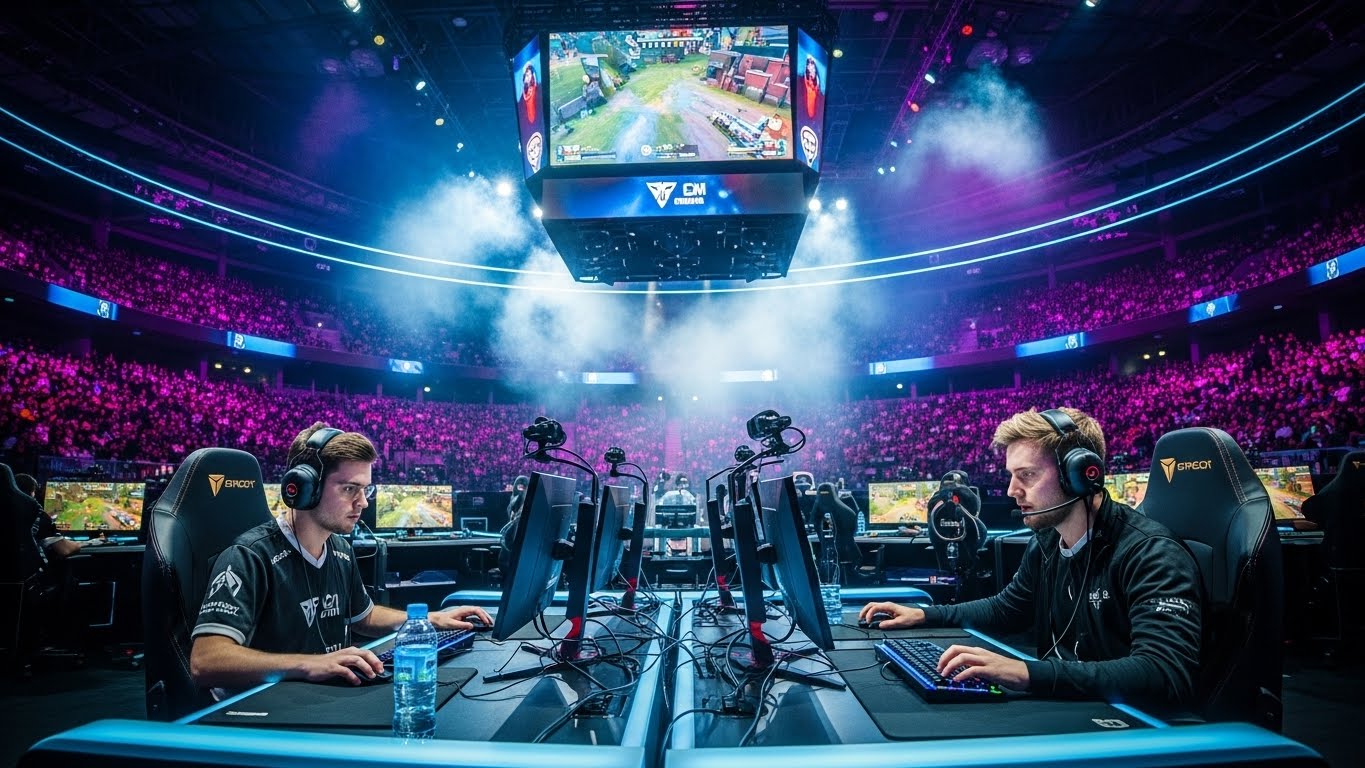
Esports events are now major spectacles, often held in large arenas with thousands of spectators. These events are produced with the same level of professionalism as traditional sports broadcasts, featuring high-quality commentary, analysis, and entertainment. The League of Legends World Championship Final, for example, has been held in massive stadiums like the Bird’s Nest in Beijing, China, and the AccorHotels Arena in Paris, attracting tens of thousands of live spectators. This accessibility and fan engagement have made esports one of the fastest-growing entertainment sectors.
With more than 450 million esports enthusiasts worldwide, the global audience is projected to continue growing in the coming years. Esports is not just popular in the West but has gained substantial followings in Asia, particularly in South Korea and China, where competitive gaming has been part of the cultural fabric for years. In fact, countries like South Korea have national esports leagues, and players are treated as national celebrities.
The Cultural Impact of Esports: Shaping a New Generation
Esports is more than just a form of entertainment; it is a cultural force that is influencing music, fashion, technology, and even social dynamics. The esports scene has given rise to a unique subculture with its own language, memes, and personalities. Fans attend esports events wearing team jerseys and often emulate the personalities and styles of their favorite players. This culture is also visible in the streaming space, where content creators have established massive fan bases that rival traditional celebrities.
One of the most significant cultural shifts brought on by esports is its role in mainstreaming gaming as a legitimate form of entertainment. In the past, gamers were often stigmatized as reclusive or antisocial. Today, the esports industry has helped gaming become an accepted and celebrated part of popular culture. Video game tournaments are aired on major sports networks, while gamers are increasingly recognized as legitimate athletes, with physical and mental skill sets comparable to those of traditional athletes.
Additionally, esports has provided an opportunity for people to connect globally. Online gaming communities foster friendships and teamwork across borders, enabling players to engage with others regardless of their geographic location. Events like DreamHack and BlizzCon bring together fans from all corners of the world, celebrating the shared love for gaming and competition.
Esports and Education: A New Pathway for Students
Esports is also making waves in the education sector. Universities and high schools are now offering esports programs, scholarships, and even competitive teams. This academic integration provides students with the opportunity to pursue esports professionally or use it as a platform to develop skills that are valuable in a variety of fields, such as communication, marketing, event management, and technology.
Esports is being recognized for its ability to teach teamwork, strategy, and critical thinking, making it an ideal activity for fostering important life skills. Many students use esports programs to not only build careers in gaming but also prepare for careers in related industries like game development, broadcasting, and digital media. The growing recognition of esports within educational institutions shows that the digital gaming world is more than just entertainment; it is a legitimate career path.
The Economic Impact of Esports
The esports industry has become a significant economic driver, generating billions of dollars in revenue annually. Much of this revenue comes from sponsorships, media rights, advertising, and merchandise sales. Major brands like Coca-Cola, Intel, and Adidas have partnered with esports organizations, further integrating gaming into mainstream advertising and marketing strategies.
Esports has also created thousands of jobs across the world. From game developers to event organizers to commentators, the ecosystem surrounding esports is vast and multifaceted. Players themselves have become celebrities, with lucrative sponsorship deals and prize money on the line. The emergence of esports as a viable career option has also led to a shift in how the entertainment and sports industries view gaming, with an increasing number of traditional sports organizations, such as the NBA and NFL, investing in esports teams or partnerships.
The Future of Esports: What Lies Ahead?
The future of esports looks incredibly promising. With the increasing popularity of mobile gaming, there are new avenues for esports to explore, particularly in emerging markets like Southeast Asia and Africa. Mobile esports games like PUBG Mobile and Arena of Valor have already seen massive growth, and it’s expected that mobile esports will continue to expand in the coming years.
Additionally, advancements in virtual reality (VR) and augmented reality (AR) may revolutionize esports, creating immersive experiences that blend the digital and physical worlds. As technology continues to evolve, it’s likely that new esports genres and game types will emerge, further diversifying the competitive gaming landscape.
Esports is also poised to become more integrated into mainstream media, with cable and satellite networks starting to air major esports events. This integration will help bring esports to a broader audience, legitimizing it as a fixture of global entertainment. The growing popularity of esports in traditional sports venues, such as basketball arenas and football stadiums, also signals that esports may eventually be considered alongside traditional sports as a permanent fixture in the competitive landscape.
Conclusion: Esports, A Digital Revolution
Esports is not just a passing trend; it’s a digital revolution that has redefined the nature of competition, entertainment, and culture. What began as a niche activity has evolved into a global industry that spans continents, bridges cultures, and generates billions of dollars. With professional leagues, sponsorship deals, and an ever-expanding fan base, esports is set to continue its rise as a legitimate and influential force in the world of sports and entertainment. Whether you’re a casual gamer or a die-hard fan, esports has proven that competition in the digital age is here to stay, and its future is brighter than ever.