
Introduction: The Global Surge of Esports
Esports, or electronic sports, has come a long way from its humble origins as a niche hobby among gamers. Today, it stands as one of the most lucrative and influential industries in the world. Esports includes organized, multiplayer video game competitions, often between professional players, individually or as teams. While the concept of competitive gaming has existed since the early days of arcade games, it has evolved dramatically, becoming a global entertainment powerhouse. What was once a hobby practiced in basements and internet cafés has now become a mainstream industry, attracting millions of viewers, high-stakes sponsors, and media attention. This blog will take a deep dive into the evolution of esports, exploring its origins, rapid growth, key players, and the significant impact it’s having on both the gaming world and traditional sports.
The Humble Beginnings of Esports
In the 1970s and 1980s, video games were just beginning to capture the public’s attention. Arcades became the gathering spots where gamers could compete for the highest scores in games like Pong and Space Invaders. Competitive gaming existed, but it was limited to local, in-person competitions. It wasn’t until the late 1990s and early 2000s, with the rise of internet connectivity and multiplayer online games, that esports began to take on a more structured form.
One of the first games to ignite the esports spark was Quake, a first-person shooter that allowed players to compete against one another over local networks. In 1997, Red Annihilation, one of the first major Quake tournaments, offered a significant cash prize and attracted hundreds of participants. As internet speeds improved and more multiplayer games became available, other titles like StarCraft, Warcraft, and Counter-Strike began to dominate the competitive scene, especially in regions like South Korea, where esports found its first true home.
In South Korea, StarCraft became a national phenomenon in the early 2000s, with professional players and televised competitions drawing huge audiences. This helped formalize esports, transitioning from small local tournaments to large, nationally televised events with professional leagues and sponsorships. This marked the true beginning of esports as we know it today.
The Globalization of Esports
While esports found its roots in specific regions, its global expansion began in earnest in the mid-2000s. With the advent of broadband internet and streaming platforms, such as Twitch and YouTube Gaming, esports competitions were no longer restricted to a local audience. Gamers from across the world could now compete against each other in real-time, while fans could watch these competitions live from the comfort of their homes.
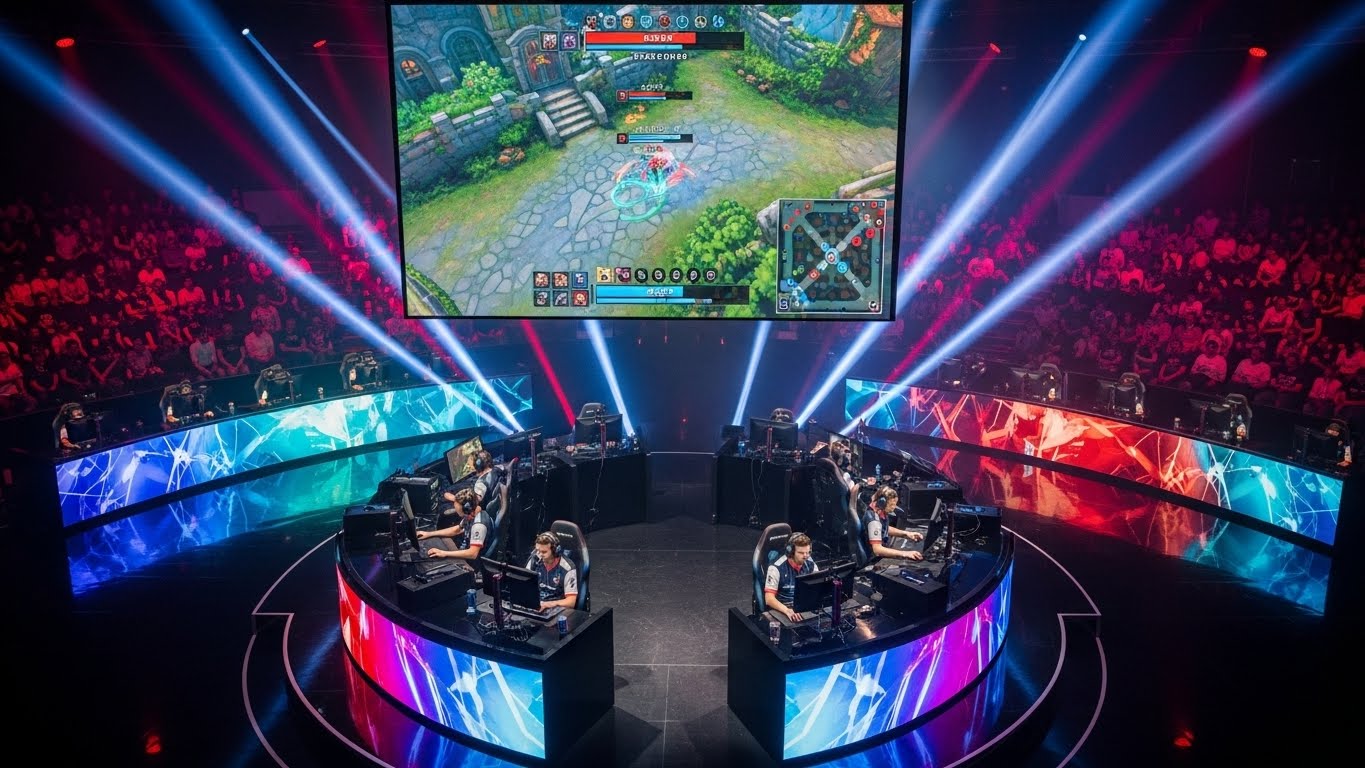
The introduction of League of Legends by Riot Games in 2009 became a turning point for esports, offering a new platform for team-based strategy gaming. The annual League of Legends World Championship attracted millions of viewers and raised the bar for what esports could achieve. Riot Games’ support of the competitive scene, with constant updates and seasonal events, helped to shape the professional infrastructure of modern esports.
Other games followed suit, including Dota 2, Counter-Strike: Global Offensive, Overwatch, and Fortnite. The diversity of these games allowed esports to appeal to a wide range of audiences, from fans of tactical shooters to those who prefer battle royale games or multiplayer online battle arenas. Today, esports is a global event, with major competitions held in countries around the world, and games being played and watched by millions in every corner of the globe.
The Role of Streaming Platforms in Esports’ Growth
A significant factor in esports’ rise to prominence is the role of streaming platforms. In particular, Twitch has been instrumental in turning competitive gaming into a spectator sport. The platform allows users to stream their gameplay live, engage with viewers, and build an audience. Esports events and tournaments are broadcasted on platforms like Twitch, YouTube Gaming, and even Facebook Gaming, drawing millions of viewers who tune in to watch their favorite players, teams, and games.
The accessibility of streaming has democratized esports in many ways. Anyone with a computer and an internet connection can stream their gameplay or watch tournaments, allowing even the most obscure games to find a community and fanbase. Viewers are able to interact with players in real time through live chat, making the experience more interactive and personal. This sense of connection between players and fans has fueled the growth of esports and made it more than just watching a game—it’s a form of social interaction and entertainment in itself.
The rise of esports streaming has also helped to create a new generation of stars. Players like Ninja (Tyler Blevins) and Shroud (Michael Grzesiek) went from humble beginnings as streamers to becoming global icons, amassing millions of followers and lucrative sponsorship deals. Their success has shown that esports stars can not only earn a living from tournament winnings but can also generate significant income through streaming, brand deals, and endorsements.
Esports as a Professional Career Path
One of the most significant developments in the world of esports is the rise of professional players and teams. Gone are the days when gamers were merely hobbyists playing for fun. Today, professional esports players train rigorously, often practicing for eight to ten hours a day, honing their skills, refining their strategies, and analyzing their performance with the help of coaches and analysts. These players are athletes in their own right, with intense competition and pressure to perform at the highest level.
Teams and organizations have now become a key part of the esports ecosystem. Major esports teams such as Team Liquid, Cloud9, FaZe Clan, and SK Gaming have established themselves as global brands, often signing players to multi-million dollar contracts. These teams not only compete in tournaments but also manage their brand image, engage with fans, and grow their digital presence. Players in these teams are supported by infrastructure that includes coaches, managers, analysts, and medical staff to ensure peak performance.
Esports players now have the opportunity to turn their passion into a career. Many young players who once dreamed of going pro are now making their way onto the world stage, thanks to the growing infrastructure of professional leagues and the increasing number of scholarships for esports athletes in universities around the world. This transformation from a casual activity to a legitimate career path is one of the most exciting aspects of esports today.
Esports and Traditional Sports: A New Era of Convergence
As esports has grown, it has started to gain recognition from traditional sports organizations. In recent years, we’ve seen major sports teams and leagues enter the esports world, either by investing in existing esports organizations or by creating their own esports divisions. The NBA launched the NBA 2K League, an esports competition based around the popular NBA 2K video game, while FC Barcelona, Paris Saint-Germain, and Manchester City have all entered the esports scene, fielding teams that compete in games like FIFA and Rocket League.
This convergence between esports and traditional sports is not surprising. Both industries share many similarities, such as team dynamics, sponsorship deals, and media coverage. As esports continues to grow in popularity, it makes sense that traditional sports would take note and explore how to leverage the digital gaming revolution. The rise of esports also appeals to a younger, tech-savvy audience that traditional sports may be struggling to connect with.
This cross-pollination between esports and traditional sports is a sign of the growing legitimacy of esports. As more major sports organizations get involved, it signals that esports is no longer just a passing trend but a permanent part of the global entertainment landscape.
The Economic Impact of Esports
The economic footprint of esports is staggering. According to recent reports, the global esports industry is set to surpass $1.5 billion in revenue by 2025. This growth is driven by multiple revenue streams, including sponsorships, merchandise sales, ticket sales for live events, and media rights. Major global brands such as Intel, Coca-Cola, Nike, and Red Bull are all investing in esports, seeing it as a way to connect with younger audiences and gain exposure in the rapidly growing digital space.
Esports is not just about prize money for players—it’s also a huge economic driver in terms of job creation. From event organizers and broadcasters to marketing experts and social media managers, the esports ecosystem supports thousands of jobs across the globe. The impact of esports can also be felt in local economies, as major events like the League of Legends World Championship or The International bring millions of dollars in tourism and business to the host cities.
The Challenges and Future of Esports
Despite its success, esports faces challenges that need to be addressed for continued growth. One major concern is player burnout. Competitive gaming can be mentally and physically exhausting, and many professional players face the risk of early retirement due to stress, injury, or a lack of motivation. Additionally, issues like cheating, match-fixing, and toxicity in online communities continue to pose problems for the esports industry, requiring constant vigilance and regulation.
The future of esports, however, looks promising. With the rise of new technologies, such as virtual reality and artificial intelligence, esports could become even more immersive and interactive, offering new ways for players and fans to engage. The continued growth of mobile gaming will also likely expand the reach of esports, making it more accessible to people in regions where high-end gaming PCs and consoles are not as common.
Conclusion: Esports is Here to Stay
Esports has gone from a niche activity to a global phenomenon, captivating millions of fans and players alike. It has transformed competitive gaming into a professional sport, offering opportunities for players, teams, and businesses to thrive.