

Introduction: The Rise of a New Competitive Frontier
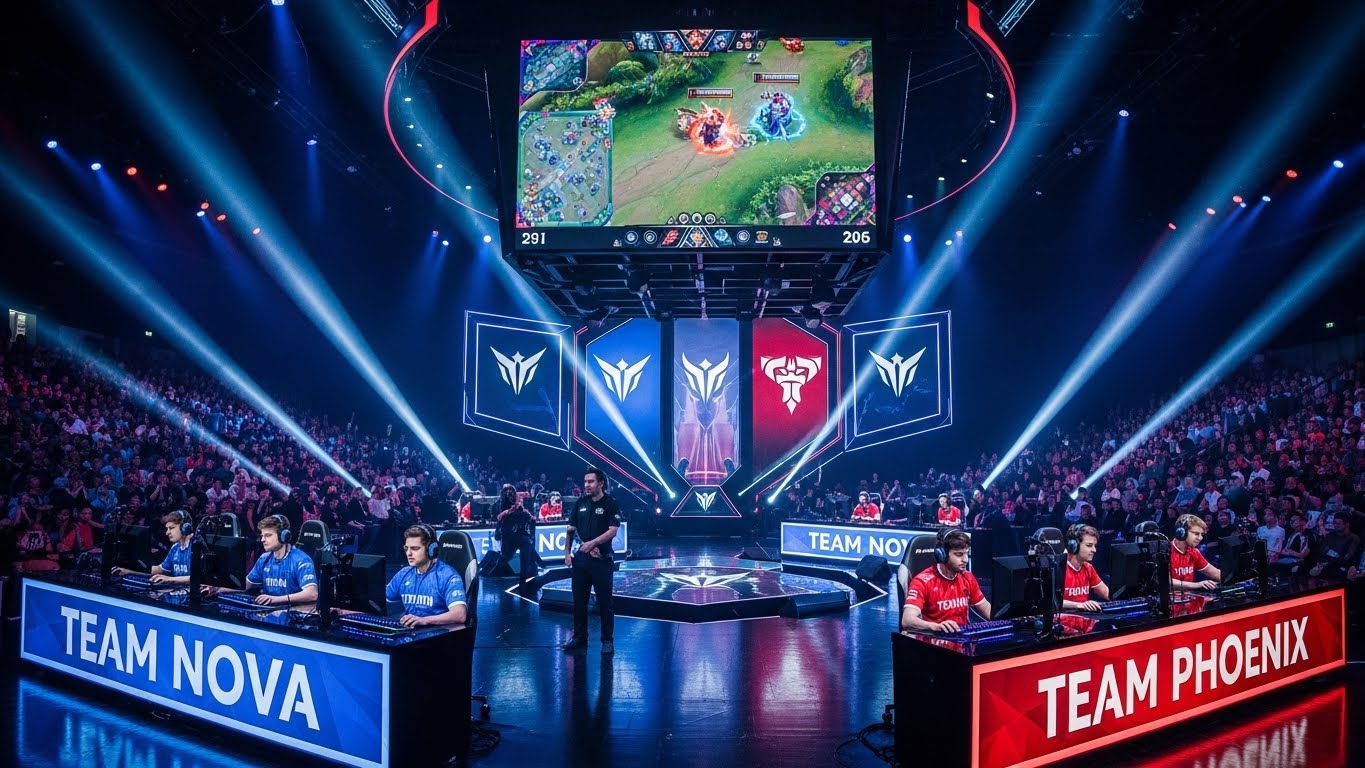
Esports has rapidly transformed from a niche activity enjoyed by small gaming communities into a global competitive phenomenon. What was once seen as casual entertainment has evolved into a professionalized industry with dedicated athletes, massive audiences, global tournaments, and unprecedented financial growth. Esports blends the excitement of traditional sports with the dynamism of modern technology, creating a new wave of competitive entertainment. This blog explores the world of esports, its evolution, its impact on culture and technology, and the reasons behind its explosive rise in global popularity.
Understanding Esports: More Than Just Competitive Gaming
Esports refers to organized competitive gaming where individuals or teams face off in video game tournaments. Unlike casual gaming, esports involves structured competitions, professional players, strategic gameplay, trained coaches, and dedicated analysts.
Popular esports titles span genres such as strategy, battle arenas, shooters, sports simulations, and fighting games. Each title features unique rules, strategies, and competitive formats. The appeal of esports lies in its accessibility, strategic depth, and the ability for players around the world to compete on a global stage without physical limitations.
Esports has grown into a full ecosystem that includes players, teams, broadcasters, sponsors, developers, and millions of passionate fans who tune in to watch the action unfold.
The Evolution of Esports
The history of esports dates back to the early 1970s when the first recorded gaming competition took place. However, the industry’s true growth began with the rise of home consoles, personal computers, and eventually the internet.
Early Beginnings
Competitive gaming initially took place in arcades and local tournaments. These contests were informal but fostered a sense of rivalry and community among gamers.
The Internet Revolution
The arrival of online multiplayer gaming dramatically changed the landscape. Players could now compete globally, forming online communities and unlocking new opportunities for skill development.
Professionalization and Global Tournaments
By the 2000s, gaming competitions evolved into organized events with sponsors, prize pools, and large audiences. Dedicated leagues, professional teams, and official tournament circuits emerged, legitimizing esports as a competitive sport.
The Modern Era
Today, esports is a mainstream global industry with massive events, international viewership, significant revenue streams, and highly skilled professional athletes. It continues to grow as gaming technology advances and digital entertainment becomes increasingly prominent.
The Skills Behind the Screen: What Makes an Esports Athlete
Esports players are often underestimated, yet their skills rival those of traditional athletes in intensity and discipline. Professional gamers develop a wide range of abilities that allow them to perform at elite levels.
Strategic Thinking
Most esports titles require deep understanding of game mechanics, strategies, and rapid decision-making. Players must predict opponent moves, adapt strategies instantly, and coordinate with team members.
Precision and Coordination
Hand-eye coordination, reaction time, and accuracy are essential in fast-paced competitive games. Elite players train rigorously to maintain peak performance.
Communication and Teamwork
In team-based esports, communication is crucial. Players must coordinate strategies, relay information, and maintain cohesion under pressure.
Mental Endurance
Like traditional athletes, esports players must manage stress, stay focused, and perform consistently in high-pressure situations.
Continuous Training
Pros often practice for hours daily, studying game updates, analyzing opponent strategies, and refining their skills.
Esports athletes represent a new form of competitive mastery that blends mental agility, technical expertise, and emotional control.
The Esports Ecosystem: Teams, Tournaments, and Global Participation
Esports is supported by a thriving global ecosystem that involves numerous stakeholders.
Professional Teams and Organizations
Teams function like traditional sports clubs, complete with coaches, managers, analysts, and support staff. They train together, develop strategies, and compete in leagues and tournaments.
Developers and Publishers
Game creators play a crucial role by designing competitive titles, sponsoring events, balancing gameplay, and supporting community initiatives.
Broadcasting and Commentary
Esports commentators, analysts, and production teams bring life to tournaments with expert insights, exciting narratives, and immersive coverage.
Tournaments and Leagues
Major esports events attract millions of viewers. These include annual championships, seasonal leagues, and international competitions. Each event offers players the opportunity to showcase their talent on a global stage.
Fans and Communities
Fans are the backbone of esports. Their passion drives viewership, team popularity, and global engagement. Online forums, social media communities, and fan events strengthen the connection between players and audiences.
The Global Economic Impact of Esports
Esports is not just entertainment; it is a major economic force.
Revenue Growth
The industry generates billions annually through sponsorships, advertising, merchandise, media rights, and ticket sales. As viewership grows, new revenue streams continue to emerge.
Job Creation
From players and coaches to analysts, marketers, broadcasters, and event staff, esports provides diverse career opportunities. Behind the scenes, countless professionals work to support the expanding industry.
Sponsorship and Brand Partnerships
Major global brands invest in esports through sponsorships, collaborations, and product promotions. These partnerships enhance the visibility and credibility of the esports industry.
Gaming Technology and Innovation
The demand for advanced hardware, software, and gaming accessories drives innovation in technology fields. High-performance PCs, headsets, and streaming equipment owe much of their progress to esports.
Esports contributes significantly to global economies, demonstrating the power of digital entertainment in modern markets.
Esports and Education: Expanding Horizons
Esports has entered schools, colleges, and universities worldwide, offering new educational and professional opportunities.
Scholarships and Academic Programs
Many institutions offer esports scholarships, recognizing competitive gaming as a legitimate skill. Courses in game design, broadcasting, event management, and esports business are increasingly common.
Skill Development
Esports promotes teamwork, leadership, strategic planning, and communication—valuable skills applicable across careers.
Community Building
School-based esports programs create inclusive communities where students connect through shared interests, fostering belonging and collaboration.
Educational integration reinforces esports as a valuable part of modern learning environments.
Esports and Technology: A Synergistic Relationship
Esports thrives on technological advancements, and in return, drives innovation.
Streaming Technology
High-definition streaming allows fans worldwide to watch tournaments in real time, creating a global spectator sport.
Cloud Gaming and Accessibility
Cloud-based platforms make competitive gaming more accessible, reducing the need for expensive hardware.
Virtual Reality and Future Innovation
VR and AR technologies have the potential to reshape esports, introducing new genres and immersive competitive experiences.
Artificial Intelligence
AI enhances training tools, analyzes gameplay, and supports strategic planning for professional teams.
Esports and technology evolve together, each pushing the boundaries of what is possible in digital entertainment.
Esports as a Cultural Phenomenon
Esports has grown into a powerful cultural force, shaping entertainment, identity, and lifestyle.
Influencing Trends
Gamers and esports personalities influence fashion, music, and digital culture. Esports has become a significant component of youth identity.
Global Community and Inclusivity
Esports brings together players from diverse backgrounds. Anyone with a connection and a passion for gaming can participate, making it one of the most inclusive competitive arenas.
Cross-Cultural Exchange
International tournaments promote cultural exchange, uniting fans and players from different countries through shared excitement and sportsmanship.
The cultural impact of esports mirrors that of traditional sports, strengthening its place in global society.
Challenges and Opportunities in Esports
Despite rapid growth, esports faces challenges that require careful attention.
Player Health and Well-Being
Long training hours can lead to burnout and health issues. Increasingly, teams prioritize fitness, nutrition, and mental health support.
Regulation and Fair Play
Ensuring fair competition, preventing cheating, and maintaining ethical standards are ongoing concerns.
Sustainable Growth
As the industry expands, maintaining financial stability and long-term development is essential.
These challenges also open doors for innovation, support systems, and improved industry standards.
The Future of Esports
The future of esports is filled with promise.
Mainstream Recognition
Esports continues to approach mainstream acceptance, with increasing presence in broadcasting, education, and global culture.
Technological Advancements
New technologies will create more immersive, engaging, and accessible gaming experiences.
Expanding Global Participation
Emerging markets will contribute to a broader global player and viewer base.
Enhanced Professional Standards
Improved support systems, regulations, and structures will help esports mature as a professional industry.
The future of esports is dynamic, inclusive, and innovative, reflecting its role as a defining part of modern entertainment.
Conclusion: Esports as the Future of Competitive Entertainment
Esports is more than a trend—it is a revolution in how we compete, connect, and experience entertainment. It combines the excitement of traditional sports with the limitless potential of digital technology. Esports inspires young athletes, fuels global communities, drives technological innovation, and redefines what it means to compete in the modern age.
As esports continues to grow, it stands as a testament to humanity’s desire for creativity, competition, and connection. The digital arena is evolving, and its impact will continue to shape entertainment, culture, and technology for generations to come.