

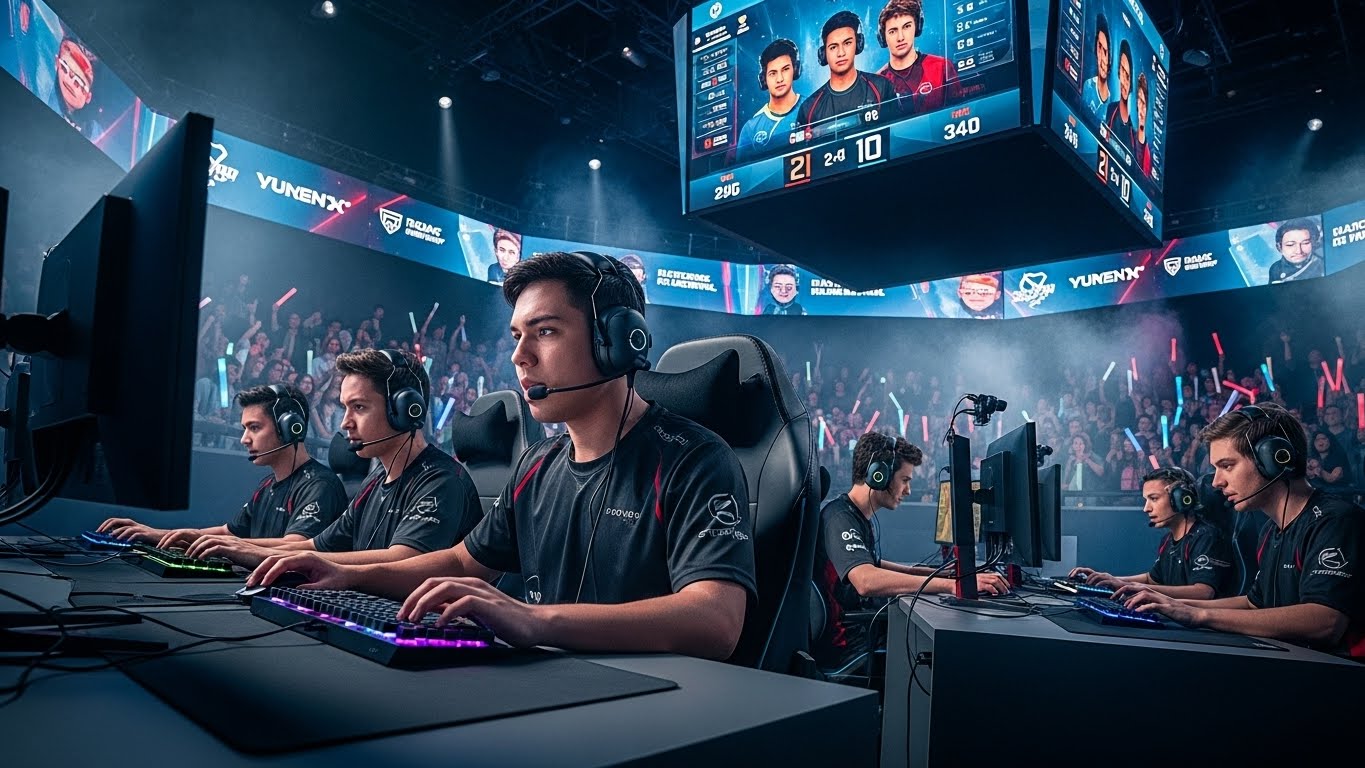
Esports, once considered a niche hobby, has evolved into a global phenomenon, captivating millions of players and viewers worldwide. With professional leagues, lucrative sponsorships, and international tournaments, esports has transformed the way we perceive competition, technology, and entertainment. In this blog, we will explore the evolution, impact, and future of esports, highlighting why it has become a cultural force in the modern world.
Understanding Esports
Esports, short for electronic sports, refers to competitive video gaming where individuals or teams compete in organized tournaments. Unlike casual gaming, esports emphasizes skill, strategy, and teamwork. Popular games include multiplayer online battle arenas, first-person shooters, real-time strategy games, and sports simulations. Professional esports athletes dedicate hours of practice to mastering mechanics, communication, and mental focus, treating gaming as a serious profession rather than just a pastime.
The Evolution of Competitive Gaming
The origins of esports can be traced back to arcade competitions and early computer gaming in the 1970s and 1980s. Games like “Space Invaders” and “Pac-Man” held local tournaments, creating a community of competitive players. The late 1990s and early 2000s marked the rise of online multiplayer games, with titles like “StarCraft” and “Counter-Strike” popularizing global competitions. The advent of live streaming platforms in the 2010s accelerated esports growth, allowing fans to watch tournaments in real-time and interact with players worldwide.
The Popularity Explosion
Esports’ popularity has skyrocketed due to a combination of technological advancements and cultural acceptance. High-speed internet, powerful gaming hardware, and accessible streaming platforms have made it easier than ever for players to compete and fans to watch. Social media and online communities amplify the excitement, creating fanbases for individual players and teams. International tournaments now draw audiences comparable to traditional sports events, highlighting esports’ status as a legitimate and influential form of entertainment.
Physical and Mental Skills in Esports
Contrary to common misconceptions, esports requires both physical dexterity and mental agility. Hand-eye coordination, reaction speed, and precise movements are crucial for competitive gameplay. Simultaneously, strategic thinking, problem-solving, and adaptability are essential for team-based competitions. Professional players undergo rigorous training schedules, including exercise routines to maintain physical health and cognitive drills to enhance focus and decision-making. Esports is not just about playing games; it is about optimizing performance under pressure.
Career Opportunities in Esports
The esports industry has opened up a wide range of career opportunities beyond being a professional gamer. Players can become content creators, streamers, analysts, coaches, or commentators. The rise of esports organizations has also created roles in management, marketing, event planning, and sponsorship coordination. With the industry generating billions of dollars annually, esports careers provide financial stability, personal growth, and opportunities for global recognition.
The Role of Technology
Technology is the backbone of esports. Advanced gaming hardware, including high-refresh-rate monitors, mechanical keyboards, and specialized gaming mice, enhances precision and reaction time. Streaming technology enables millions of fans to watch live events and interact with commentators. Analytics and performance-tracking tools allow players to review gameplay, identify weaknesses, and improve strategies. Virtual reality and artificial intelligence are further expanding the possibilities, making esports increasingly immersive and sophisticated.
Esports and Education
Esports has started to find its place in education as well. Many universities and colleges now offer scholarships for esports athletes, recognizing the dedication and skills required. Esports programs teach teamwork, leadership, communication, and time management, providing students with practical skills applicable in professional environments. Additionally, academic research on esports addresses areas such as psychology, game design, and human-computer interaction, highlighting the intellectual depth of competitive gaming.
Health and Wellbeing Considerations
While esports provides numerous opportunities, it also poses challenges to physical and mental health. Prolonged gaming sessions can lead to eye strain, poor posture, and repetitive strain injuries. Mental stress, performance pressure, and the highly competitive nature of the industry may cause anxiety and burnout. Professional organizations and coaches now emphasize balanced training, including exercise, proper nutrition, and mental health support. This holistic approach ensures that players maintain sustainable careers while performing at their peak.
Esports and Global Culture
Esports has transcended cultural and geographic boundaries, uniting people from diverse backgrounds through a shared passion. Major tournaments attract international audiences, showcasing the talents of players from different countries and cultures. Fans celebrate victories, analyze gameplay, and participate in global communities. This cultural integration has fostered mutual respect and understanding, illustrating how esports can be a platform for global connection and collaboration.
Sponsorships and Economic Impact
The economic impact of esports is significant, attracting investments from brands, advertisers, and media companies. Sponsorship deals provide revenue for teams, players, and event organizers, supporting the growth of the industry. Merchandise sales, ticketed tournaments, and digital content further contribute to financial sustainability. Esports has created a vibrant ecosystem where players, fans, and businesses mutually benefit, driving continuous innovation and growth.
Women in Esports
Historically, esports has been male-dominated, but women are increasingly making their mark. Female players, streamers, and commentators have gained recognition, challenging stereotypes and promoting gender equality. Organizations are actively creating inclusive environments, encouraging participation from underrepresented groups. Women in esports inspire the next generation of players and demonstrate that competitive gaming is accessible and empowering for everyone, regardless of gender.
The Spectator Experience
The experience of watching esports has become a major attraction. Live streaming platforms provide real-time commentary, interactive chats, and behind-the-scenes content. Fans can follow favorite players, engage in predictions, and experience the excitement of high-stakes tournaments from anywhere in the world. The combination of strategy, skill, and entertainment creates a unique spectator experience, making esports events as thrilling and engaging as traditional sports competitions.
Youth Development Through Esports
Esports plays a significant role in youth development. Participation in organized esports leagues teaches children and teenagers valuable skills such as communication, collaboration, and critical thinking. Unlike unstructured gaming, competitive esports encourages goal setting, discipline, and strategic planning. Youth esports programs provide safe and supportive environments where young individuals can explore their talents, build confidence, and pursue their passions in a structured manner.
Challenges Facing the Esports Industry
Despite its growth, esports faces several challenges. Maintaining fair competition, addressing cheating and doping, and ensuring ethical management practices are ongoing concerns. Additionally, balancing commercialization with community engagement remains crucial to preserve the authenticity of the sport. Mental health support and sustainable career pathways are also vital as players navigate the pressures of professional competition. Addressing these challenges is essential for the continued credibility and long-term success of the esports industry.
The Future of Esports
The future of esports is filled with potential. Emerging technologies such as virtual reality, augmented reality, and cloud gaming will redefine gameplay and fan engagement. Expanding global reach and inclusion initiatives will make esports more diverse and accessible. Collaborations with traditional sports, entertainment, and education sectors will further legitimize esports as a mainstream phenomenon. As the industry evolves, esports will continue to shape culture, technology, and human interaction in unprecedented ways.
Conclusion: Esports as a Cultural Revolution
Esports is more than competitive gaming; it is a cultural revolution. It combines technology, entertainment, skill, and community into a dynamic and influential industry. From providing career opportunities to fostering global connections, esports has redefined what it means to compete and engage in digital spaces. With its rapid growth and societal impact, esports stands as a testament to human creativity, adaptability, and the enduring desire to challenge oneself and connect with others. As esports continues to evolve, it promises to inspire, entertain, and unite generations of gamers and fans across the world.