

Introduction: The Evolution of Competitive Gaming
In the past two decades, the world of competitive gaming has undergone a dramatic transformation. What was once dismissed as a niche hobby is now recognized as a global phenomenon, with millions of players, spectators, and investors participating in the esports ecosystem. Esports, or electronic sports, refers to organized, competitive video gaming where individuals or teams compete at various levels, ranging from local tournaments to international championships. Unlike traditional sports, esports thrives entirely in the digital realm, yet it evokes the same level of passion, skill, and dedication as conventional athletic pursuits.
The growth of esports is closely linked to technological advancements, increased internet accessibility, and the proliferation of streaming platforms. Players from diverse backgrounds can now compete without geographical constraints, fostering a sense of global community and inclusivity. This evolution has elevated gaming from casual entertainment to a legitimate career path and a significant cultural force.
Understanding the Esports Ecosystem
The esports ecosystem is multifaceted, encompassing players, teams, tournament organizers, sponsors, and content creators. Each element contributes to the industry’s rapid expansion. Professional players invest hours in practice to perfect strategies, reflexes, and coordination, mirroring the discipline of traditional athletes. Teams operate like professional organizations, with coaches, analysts, nutritionists, and psychologists supporting the players to optimize performance.
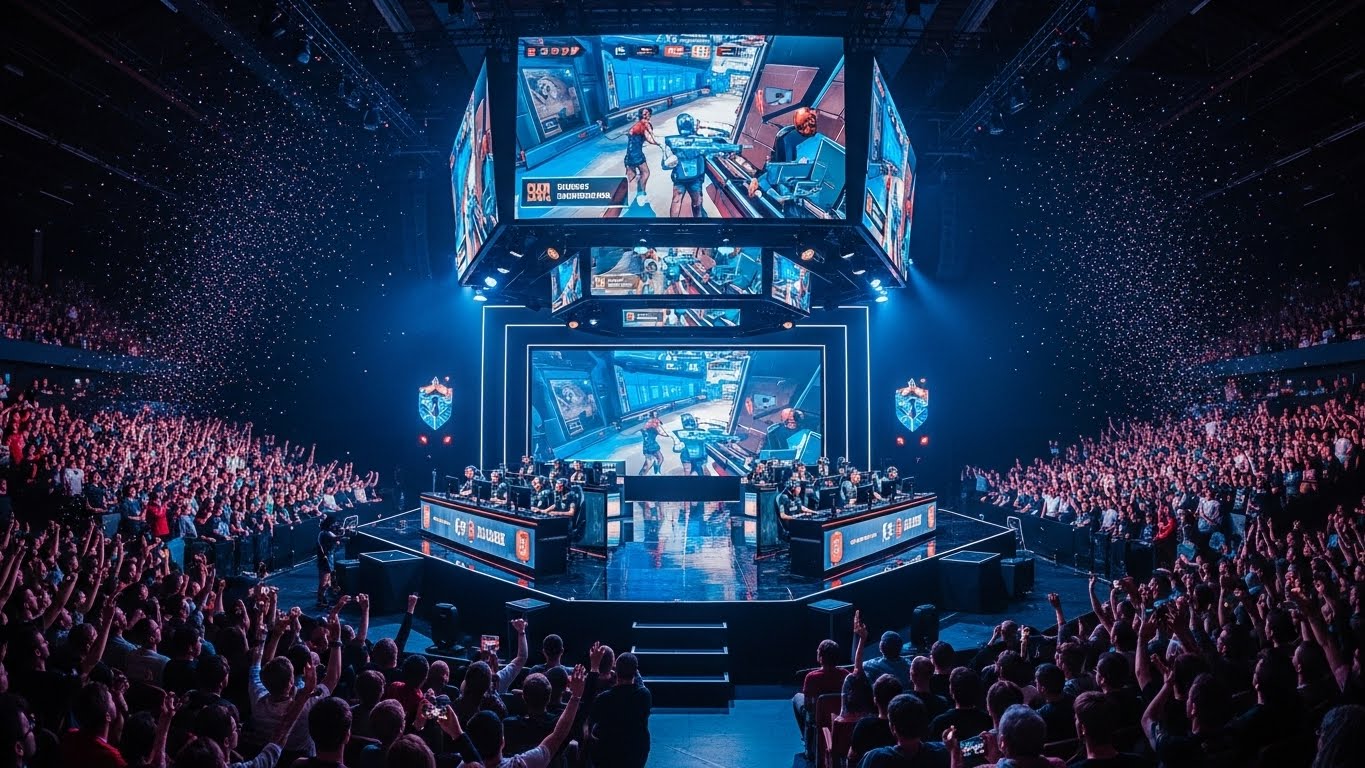
Tournament organizers are responsible for creating structured competitions that attract audiences, both in-person and online. Major events, such as international championships, draw hundreds of thousands of viewers, highlighting the immense popularity of esports as a spectator activity. Sponsors and advertisers have also recognized the marketing potential, investing heavily in esports to reach a young, tech-savvy demographic. Content creators, including streamers and commentators, provide entertainment, education, and engagement for fans, bridging the gap between the players and the audience.
Popular Esports Titles and Genres
Esports is not limited to a single type of game. Instead, it spans multiple genres, each with its own dedicated fan base and competitive scene. Multiplayer Online Battle Arena (MOBA) games like League of Legends and Dota 2 are among the most popular, requiring players to strategize and collaborate in complex team-based matches. First-Person Shooter (FPS) games, such as Counter-Strike: Global Offensive and Call of Duty, emphasize precision, reflexes, and tactical coordination. Battle Royale games, including Fortnite and PUBG, combine survival mechanics with competitive gameplay, appealing to both casual and professional gamers.
Sports simulation games like FIFA and NBA 2K replicate real-world sports and allow players to compete virtually. Fighting games, such as Street Fighter and Tekken, rely on fast reflexes and deep knowledge of character mechanics. Each genre attracts different types of audiences, providing variety and maintaining engagement across diverse communities. The wide array of competitive titles ensures that esports remains dynamic and ever-evolving, continually adapting to new trends and player preferences.
The Role of Streaming Platforms
Streaming platforms have played a pivotal role in the rise of esports. Platforms such as Twitch, YouTube Gaming, and others allow players to broadcast their gameplay to millions of viewers worldwide. These platforms have transformed esports from a purely competitive activity into a form of entertainment that blurs the line between players and audiences. Viewers can learn strategies, interact with players in real-time, and follow their favorite teams, creating an immersive and participatory experience.
Live streaming has also opened new avenues for monetization. Players and content creators can earn revenue through subscriptions, donations, and sponsorships, further legitimizing esports as a viable career. The interactivity of streaming enhances fan engagement, providing a level of connection and accessibility that traditional sports often cannot match. This convergence of gaming, entertainment, and social interaction has been a driving force behind the global growth of esports.
Career Opportunities in Esports
Esports offers a wide range of career opportunities beyond professional gaming. Players may pursue careers as professional competitors, but they can also branch into coaching, content creation, or team management. Analysts study gameplay to provide insights that improve team performance, while event organizers plan and execute large-scale tournaments. Commentators, also known as casters, bring matches to life for audiences, combining game knowledge with entertainment.
The industry has also seen the emergence of esports marketing and business roles. Companies require professionals to manage sponsorships, branding, and audience engagement. Additionally, technology roles, including software development, streaming infrastructure, and data analytics, support the growth of esports from a technical perspective. The breadth of opportunities ensures that passionate individuals can contribute to the industry in multiple ways, highlighting esports as a sustainable career ecosystem rather than a fleeting trend.
The Psychological and Social Impact of Esports
Esports not only shapes professional careers but also has profound psychological and social effects. Competitive gaming enhances cognitive skills such as strategic thinking, problem-solving, and hand-eye coordination. Players often develop teamwork, communication, and leadership abilities, particularly in team-based games. These skills are transferable to real-world situations, including professional and academic environments.
On the social front, esports fosters global communities. Players and fans connect across cultures, languages, and continents, united by shared interests. Online forums, social media groups, and community events create a sense of belonging, combating isolation and promoting collaboration. However, like any competitive environment, esports can also present challenges such as burnout, toxic behavior, and mental health pressures. Addressing these issues is crucial to ensuring the sustainability and well-being of participants in the industry.
Economic Influence and Market Growth
The economic impact of esports has been nothing short of remarkable. The industry has grown into a multi-billion-dollar market, driven by sponsorships, advertising, merchandise sales, ticket revenue, and streaming subscriptions. Major tournaments often offer prize pools reaching millions of dollars, rivaling traditional sports events in both scale and spectacle.
Investors and corporations are increasingly viewing esports as a viable business venture. Game developers design titles with competitive viability in mind, creating long-term engagement and monetization opportunities. Brands partner with teams and tournaments to reach highly engaged audiences, leveraging esports’ global reach. The rapid market growth indicates that esports is not a passing trend but a lasting cultural and economic force reshaping entertainment, media, and consumer behavior.
Esports and Education
Education is another domain where esports is making a significant impact. Schools and universities around the world are incorporating esports programs, providing scholarships, and creating competitive leagues. These programs teach teamwork, strategic thinking, and technical skills while offering students a pathway to professional careers in gaming. Educational institutions are also exploring the use of esports to promote STEM learning, digital literacy, and media production skills.
By integrating esports into educational frameworks, institutions recognize the legitimacy of competitive gaming and its potential to prepare students for modern career paths. This integration also helps in changing societal perceptions of gaming, portraying it as a constructive and skill-intensive activity rather than merely entertainment.
The Future of Esports
The future of esports appears incredibly promising. Technological advancements such as virtual reality, augmented reality, and cloud gaming are poised to enhance the immersive experience for both players and spectators. These technologies could revolutionize how tournaments are conducted, making gameplay more interactive and accessible. Artificial intelligence and machine learning may also contribute to better training, performance analysis, and audience engagement.
Furthermore, esports is likely to expand its influence beyond gaming culture into mainstream media, education, and even traditional sports collaborations. As societal acceptance grows, esports could become a staple of global entertainment, comparable in reach and impact to football, basketball, or cricket. The continued professionalization, increased inclusivity, and technological integration suggest that esports will maintain its trajectory as a transformative force in the digital era.
Conclusion: Esports as a Cultural Phenomenon
Esports represents more than just competitive gaming; it embodies a cultural shift that bridges technology, entertainment, and human potential. From grassroots communities to professional leagues, esports has redefined what competition looks like in the digital age. It provides career opportunities, fosters global social connections, and stimulates economic growth, all while challenging traditional perceptions of sports and leisure.
The rise of esports illustrates how digital platforms can shape modern culture, influence behavior, and create new forms of engagement. As technology continues to evolve and audiences expand, esports will remain at the forefront of innovation, proving that the thrill of competition and the spirit of teamwork are timeless, regardless of the playing field. For millions of players and fans, esports is not just a game; it is a lifestyle, a career, and a shared global experience that continues to redefine the boundaries of human achievement in the 21st century.