

Introduction: The Digital Arena Awakens
Esports, or electronic sports, has emerged as one of the most influential phenomena in modern entertainment and sports culture. What began as casual gaming in arcades and home consoles has evolved into a multi-billion-dollar global industry with professional players, massive tournaments, and passionate fan communities. Unlike traditional sports, esports thrives in a digital ecosystem, making it accessible to anyone with an internet connection. This accessibility, combined with technological advancements and a growing appetite for competitive gaming, has propelled esports into mainstream recognition.
The Origins of Competitive Gaming
Competitive gaming is not a recent development. Its roots trace back to the late 1970s and early 1980s when arcades became popular social hubs for players. Games like Pong and Space Invaders were among the first to spark competitive rivalries. By the 1990s, video game tournaments began to emerge, supported by the rise of PC gaming and LAN parties. Titles such as Street Fighter, StarCraft, and Counter-Strike paved the way for modern esports, creating communities that thrived on skill, strategy, and competition. The growth of the internet during this period further fueled the spread of competitive gaming, connecting players worldwide and enabling the first large-scale online tournaments.
Esports Today: A Global Phenomenon
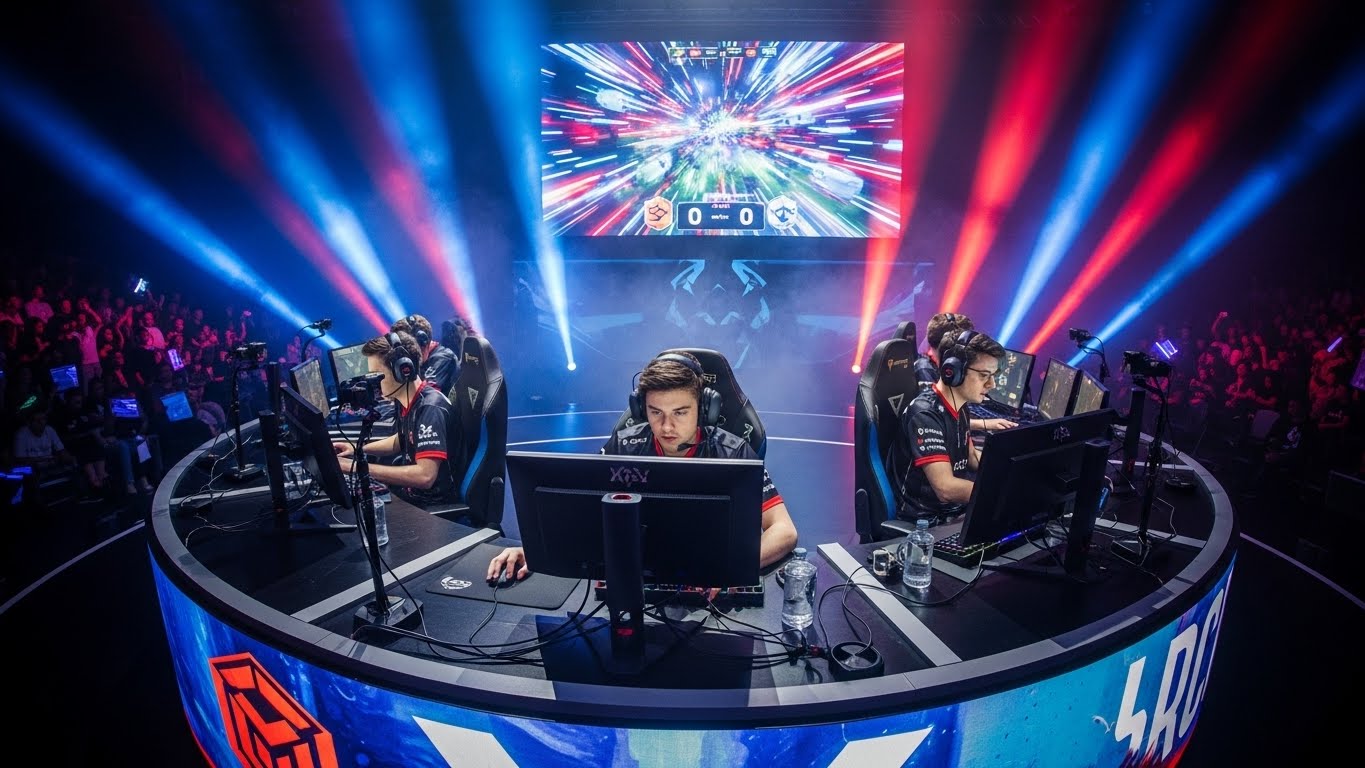
Fast forward to the present, and esports has become a global spectacle. Professional leagues, international tournaments, and franchised teams now mirror the structure of traditional sports. Games such as League of Legends, Dota 2, Fortnite, and Call of Duty dominate the competitive scene, each with its dedicated fan base, sponsorship deals, and media coverage. Major tournaments like the League of Legends World Championship and The International Dota 2 Championship attract millions of viewers, filling stadiums and streaming platforms with audiences eager to witness elite gameplay. Unlike traditional sports, esports offers fans a unique level of interactivity, allowing viewers to engage with content creators, streamers, and players in real-time.
The Economics of Esports
Esports has developed into a robust economic ecosystem. Revenue streams include sponsorships, merchandise, ticket sales, broadcasting rights, and in-game purchases. Top teams secure multi-million-dollar sponsorships from global brands, while elite players earn substantial salaries, sometimes surpassing those of traditional athletes. Streaming platforms have added another dimension to this economy, allowing individual content creators to monetize their skills through subscriptions, donations, and advertisements. The industry’s financial growth has attracted investors, media companies, and even traditional sports franchises seeking to capitalize on the burgeoning digital sports market.
Esports and the Player Experience
Behind the glitz and glamour of tournaments lies the rigorous lifestyle of professional esports players. Unlike casual gamers, professional players adhere to strict training schedules, often practicing for ten to twelve hours daily to maintain peak performance. Physical fitness, mental resilience, and strategic thinking are essential components of a successful esports career. Teams employ coaches, analysts, nutritionists, and psychologists to optimize player performance, highlighting the professionalism and dedication required in this digital sport. Despite the rewards, the competitive nature of esports can lead to burnout, emphasizing the importance of support systems and career management for long-term success.
The Social and Cultural Impact of Esports
Esports has had a profound impact on global culture, reshaping perceptions of gaming from a niche hobby to a legitimate career path and spectator sport. It has fostered vibrant online communities where fans share strategies, celebrate victories, and engage in discussions about game updates and meta shifts. The influence of esports extends beyond gaming, inspiring music collaborations, merchandise trends, and even fashion. Additionally, esports has been instrumental in promoting diversity and inclusivity, providing platforms for players from varied backgrounds to gain recognition based on skill rather than geography or socioeconomic status.
Technology as the Backbone of Esports
Technology is the lifeblood of esports. High-speed internet, advanced gaming hardware, and sophisticated software platforms make competitive gaming seamless and immersive. Streaming technology has revolutionized viewership, allowing fans to watch live matches with commentary, instant replays, and multi-camera perspectives. Virtual reality and augmented reality are beginning to influence esports, offering new dimensions of gameplay and audience interaction. Moreover, data analytics plays a crucial role, with teams analyzing player performance, strategies, and opponent tendencies to gain a competitive edge. The continuous evolution of technology ensures that esports remains dynamic, engaging, and forward-looking.
Esports as a Career Path
The perception of esports as a legitimate career has shifted dramatically over the past decade. Beyond professional players, careers in esports include coaches, analysts, broadcasters, event organizers, game developers, and content creators. Universities now offer scholarships for esports athletes, and some educational institutions provide degree programs focusing on gaming management, digital media, and game design. This professionalization opens avenues for long-term employment in an industry that was once considered informal or recreational. For aspiring players and industry professionals, esports represents a convergence of passion and opportunity.
Challenges Facing the Industry
Despite its rapid growth, esports faces several challenges. Player burnout and mental health concerns remain significant issues due to long hours, high pressure, and constant public scrutiny. Regulatory and ethical concerns, including cheating, match-fixing, and doping, threaten the integrity of competitions. The industry must also navigate regional disparities in internet infrastructure, access to gaming equipment, and legal recognition. Additionally, balancing commercialization with community-driven culture is crucial, as overly aggressive monetization risks alienating loyal fans. Addressing these challenges is essential for ensuring sustainable growth and long-term credibility.
The Future of Esports
The future of esports appears incredibly promising. With technological advancements, increased mainstream acceptance, and expanding global audiences, esports is poised to integrate further into everyday entertainment. Innovations in virtual reality, cloud gaming, and AI-driven training tools will redefine how games are played and watched. Esports is likely to see deeper collaborations with traditional sports, entertainment media, and education, creating hybrid experiences that appeal to diverse audiences. The potential for new game genres, cross-cultural tournaments, and interactive spectator experiences ensures that esports will continue to evolve as both a cultural and economic powerhouse.
Conclusion: More Than Just a Game
Esports has transcended its origins as casual gaming to become a multifaceted, global phenomenon. Its growth has redefined what it means to be a competitive athlete, a spectator, and a digital creator. Beyond the tournaments, sponsorships, and streaming platforms, esports represents a cultural shift where skill, creativity, and community intersect. It celebrates both individual talent and collaborative strategy while breaking down barriers between traditional sports and digital competition. As technology advances and global participation continues to grow, esports will undoubtedly play a central role in shaping the future of entertainment, sports, and digital culture.