

Introduction: The Evolution of Competitive Gaming
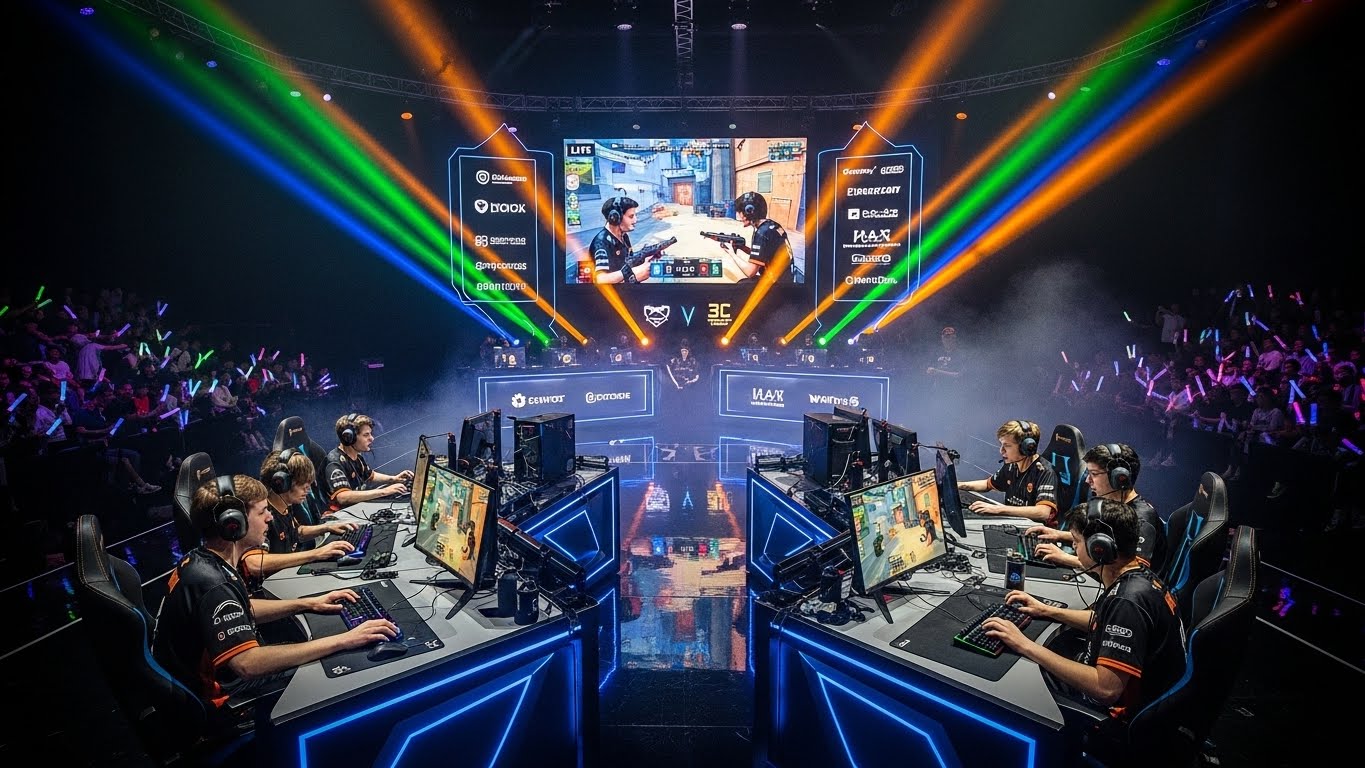
Esports, or electronic sports, has transformed from a niche hobby into a billion-dollar global industry within a few decades. What began as informal competitions among friends in living rooms and internet cafés has evolved into organized tournaments, professional teams, and televised events with millions of viewers. This growth reflects both the technological advancements in gaming and the cultural shift that has legitimized gaming as a serious competitive pursuit. Today, esports is not just a pastime; it is a career path, a form of entertainment, and a social phenomenon that impacts millions worldwide.
The Origins of Esports
Competitive gaming has roots stretching back to the 1970s and 1980s. Early arcade competitions, like the famous Space Invaders tournament held in 1980, laid the groundwork for organized gaming contests. By the 1990s, the rise of personal computers and the internet brought a new era of multiplayer games, allowing players from different regions to compete in real-time. Titles like Quake and StarCraft became iconic in the early esports scene, fostering dedicated communities and paving the way for professional leagues. These early competitions emphasized skill, strategy, and quick reflexes, traits that remain essential in modern esports.
The Growth of Esports as an Industry
Esports today is a multi-billion-dollar industry encompassing professional players, sponsors, tournament organizers, and media companies. Revenue streams include advertising, sponsorships, merchandise sales, streaming subscriptions, and ticket sales for live events. Major tournaments, such as those for League of Legends, Dota 2, and Counter-Strike: Global Offensive, offer prize pools that reach millions of dollars. These events attract global audiences, sometimes exceeding the viewership of traditional sports like basketball and football. Corporate sponsorship has played a crucial role in legitimizing esports, with brands recognizing the potential of reaching a young, engaged, and digitally savvy audience.
Popular Esports Titles and Genres
Esports encompasses a variety of game genres, each with its own community and competitive structure. Multiplayer online battle arenas (MOBAs) like League of Legends and Dota 2 emphasize team strategy and coordination. First-person shooters (FPS) such as Counter-Strike: Global Offensive and Valorant focus on precision and quick decision-making. Real-time strategy games, fighting games, and sports simulations like FIFA and NBA 2K have also carved out their competitive niches. Each genre appeals to different audiences, but all share the common elements of skill, strategy, and entertainment value.
The Role of Streaming and Online Platforms
Streaming platforms have revolutionized esports by providing a direct connection between players and audiences. Twitch, YouTube Gaming, and other streaming services allow fans to watch live gameplay, interact with players, and participate in online communities. This accessibility has democratized esports, enabling aspiring players to gain recognition without relying on traditional broadcasting networks. Additionally, streaming has created opportunities for content creators and influencers to build personal brands, further expanding the esports ecosystem. The combination of live events and online content has created a vibrant and continuous entertainment experience for fans.
Professional Esports Players and Teams
Professional esports players are the backbone of the industry. These individuals train rigorously, often dedicating more than ten hours a day to practice, strategy, and teamwork. Esports teams function much like traditional sports franchises, with coaches, analysts, managers, and support staff helping players optimize their performance. Contracts and sponsorship deals provide financial stability, while tournaments offer fame and competitive prestige. The lifestyle of professional players can be demanding, with travel schedules, public appearances, and the constant pressure to perform at the highest level. Despite these challenges, the allure of competitive glory and the potential for lucrative earnings continue to attract talented individuals to the field.
Esports and Global Culture
Esports has transcended geographical boundaries, creating a global community of fans and players. Major tournaments are broadcast internationally, often featuring multilingual commentary and localized events. This global reach has fostered cultural exchange, with players from different countries learning from one another and fans sharing gaming experiences across continents. Esports also reflects societal trends, including the rise of digital entertainment, the importance of online communities, and the growing acceptance of gaming as a mainstream activity. Its influence extends beyond gaming, shaping fashion, music, and even education through esports programs in schools and universities.
Economic Impact and Career Opportunities
The economic impact of esports extends far beyond tournament prize pools. The industry supports a wide range of careers, from game developers and event organizers to commentators, journalists, and marketers. Universities have begun offering scholarships and programs dedicated to esports, recognizing its potential as both a professional and academic pursuit. The growth of esports has also spurred the development of specialized infrastructure, including gaming arenas, training facilities, and high-performance technology. This economic ecosystem benefits not only players but also businesses, investors, and local communities hosting events.
Challenges Facing the Esports Industry
Despite its rapid growth, esports faces several challenges. Player burnout and mental health issues are common due to the intense training schedules and high-pressure environments. Regulatory and ethical concerns, such as cheating, match-fixing, and doping, threaten the integrity of competitions. Additionally, the lack of standardized governance makes it difficult to establish consistent rules and protections for players across different games and regions. Addressing these issues is crucial for sustaining the long-term growth and credibility of esports.
The Future of Esports
The future of esports looks promising, with continued technological advancements and growing mainstream acceptance. Virtual reality (VR) and augmented reality (AR) are poised to create immersive competitive experiences, while artificial intelligence (AI) may enhance training, strategy, and game development. Esports could also become more integrated into traditional sports frameworks, with hybrid events and collaborations expanding audience reach. As society increasingly embraces digital entertainment, esports is likely to continue its trajectory from niche hobby to cultural powerhouse, offering opportunities for players, fans, and businesses alike.
Conclusion: A New Era of Competition
Esports represents a new era of competition, one that blends technology, entertainment, and global community. From humble beginnings in arcades and basement tournaments to stadiums filled with cheering fans, esports has proven that gaming can be both serious and spectacular. Its rise reflects not only the evolution of technology but also a cultural shift in how society views skill, entertainment, and achievement. As esports continues to grow, it will redefine what it means to compete, entertain, and connect in the digital age.
Closing Thoughts
The story of esports is a testament to human creativity and adaptability. It demonstrates how passion and innovation can transform a pastime into a worldwide phenomenon. For players, fans, and industry professionals, esports offers more than just competition; it is a space where dreams, technology, and community converge. The journey of esports is far from over, and its continued expansion promises to inspire, entertain, and challenge the world in ways we are only beginning to imagine.