
Esports in North America is a living, breathing ecosystem — part sports league, part entertainment industry, part tech startup culture. From franchised leagues like the LCS and the VCT to grassroots circuits, the region hosts some of the world’s most valuable orgs, the flashiest streamers, and a pipeline of talent that feeds both domestic and global scenes. This post takes you on a tour of North America’s esports landscape: who the top teams are across major titles, which players are defining — or have defined — the scene, and why NA continues to matter on the global stage.
Why North America matters (short primer)
North America matters for three reasons: money, media, and infrastructure. Big-name organizations (some backed by celebrity investors and venture capital) have built sophisticated content, merchandising, and talent-development programs. The region’s media infrastructure — broadcasters, streaming ecosystems, and entertainment crossovers — turns esports into mainstream entertainment. Finally, professional infrastructure such as franchised leagues (which guarantee long-term investment) and training facilities help teams recruit and build rosters that can compete internationally.
Yet it’s not just about cash: NA has historically pushed the entertainment side of esports — creators, crossover celebrities, and content-first stars — which gives the region a cultural footprint that’s different from esports hubs elsewhere. That positioning attracts brands and massive sponsorship deals, even when the region isn’t always the dominant force in competitive results.
Big-picture snapshot: the major games and ecosystems
North American esports is not a single monolith. Different games have wildly different scenes and dominant teams:
- League of Legends (LCS) — the LCS is franchised and includes heavy-hitter orgs that have built content empires alongside their competitive teams.
- Valorant — franchising and partner teams have elevated the North American competitive scene; NA teams frequently show strong domestic viewership and celebrity signings.
- Counter-Strike (CS2 / CS:GO legacy) — NA teams have a mixed record internationally but still host top-tier players and organizations that invest heavily in roster improvements and infrastructure.
- Dota 2 — while the global Dota scene is more concentrated in other regions, NA orgs are competitive and have claimed big wins at major events.
- Fortnite, Rocket League, Overwatch, Call of Duty — each franchise has its own NA story arc: superstars who doubled as content creators, franchised leagues, and fanbases tuned into specific broadcast and creator ecosystems.
Across these games, several organizations stand out for consistent investment, cross-game presence, and historical results. Let’s dive into those orgs and the players that have made NA headlines.
Top North American organizations (multi-title powerhouses)
Below are organizations that have built reputations across games — either through competitive results, popularity, or both. These orgs represent the backbone of the NA industry.
Team Liquid
Team Liquid is one of the most storied and globally recognized esports organizations with deep rosters across League of Legends, Dota 2, CS2, and more. Liquid’s Dota 2 program famously captured one of the biggest international trophies in recent memory when they claimed the grand final at The International 2024 — a milestone that reinforced NA’s ability to compete at the very highest level in Dota. This win also underlined how NA orgs can marshal resources and international talent to reach the pinnacle of prize-heavy esports. Reuters
Cloud9
Cloud9 is an LA- and Santa Monica-founded org that grew into a multi-title brand. Known for strong fan engagement and media production, Cloud9 has made big plays across League of Legends, Valorant, and other titles. They’ve become synonymous with North American esports culture — a team that cultivates both competitive results and a content-first fan experience. (Cloud9’s long public profile and organizational structure are detailed in public org profiles and encyclopedic entries.)
100 Thieves
100 Thieves blends esports operations with lifestyle and apparel. They’ve invested heavily in content, creative direction, and high-visibility player signings. In Riot’s franchised Valorant ecosystem and LCS, 100 Thieves is a household name in NA and an example of what content-driven esports brands look like at scale.
Evil Geniuses
Evil Geniuses (EG) is one of the oldest North American orgs and remains influential across several titles. EG has a legacy in competitive results and has been a mainstay on lists of high-earning teams globally — a sign of longevity and cross-game investment. Whether in fighting for major titles or building content operations, EG continues to be a core member of NA’s esports elite. Esports Earnings
Sentinels, OpTic, FaZe, and Others
Sentinels (Valorant/Valorant-adjacent fame), OpTic Gaming (Call of Duty pedigree), and FaZe Clan (content and variety of titles) all play crucial roles. Sentinels became a household Valorant brand early in Valorant’s history through bold signings and roster performances, highlighting how rapidly a team can capture the regional zeitgeist. Riot’s Valorant franchising also placed several NA orgs as partners in a formal VCT ecosystem, cementing the presence of brands like Cloud9, 100 Thieves, and EG in the VCT partner landscape. Liquipedia+1
Title-by-title: who to watch (teams + why they matter)
Below is a practical tour of the most-watched NA scenes and the teams that define them.
League of Legends (LCS)
The LCS has historically featured teams such as TSM (Team SoloMid), Cloud9, Team Liquid, and 100 Thieves. These organizations can go through cycles — roster turnover, coaching changes, and the occasional dominant split — but they remain the bedrock of NA League. Iconic players and veteran pros have shaped the narrative: star mids, flashy botlaners, and crossover personalities who became streaming legends. The LCS’s franchised model ensures long-term investment, and teams leverage local content studios and events to keep fans engaged year-round.
Valorant
Valorant’s NA scene rapidly professionalized with partner franchises and big-money signings. Sentinels, 100 Thieves, and Cloud9 have been among the most visible brands — both in esports results and cultural awareness. With Riot’s VCT franchising solidifying partner teams, NA orgs are now fixtures in a global circuit that demands both competitive excellence and market-savvy brand-building. Frontline players and star signings create narratives that both esports fans and mainstream audiences follow closely. Liquipedia+1
Counter-Strike (CS2)
While Europe and some other regions often dominate CS at the peak, NA still boasts prominent teams and players — organizations that keep investing in CS infrastructure and talent. Team Liquid and FaZe (though FaZe is multinational) have been big players, and NA talent like Jonathan “EliGE” Jablonowski has held up as one of the region’s most consistent stars in high-level events. The CS scene’s volatility means rosters and results can change fast, but NA teams remain competitive in large international events and online leagues. HLTV.org
Dota 2
Dota 2’s international circuit is unique because The International (TI) is the sport’s financial peak. NA organizations have been less dominant historically than teams from other regions, but Team Liquid’s performance at TI 2024 (winning the grand final) proved NA organizations can build world-beating Dota rosters — when investment, scouting, and team chemistry align. That TI success is a clear indicator that NA talent and organizations are capable of achieving the highest competitive honors in esports. Reuters
Fortnite & Other Battle Royale/Tournament Titles
In Fortnite, NA players have been among the most famous and highest-earning. Kyle “Bugha” Giersdorf’s World Cup run and subsequent earnings illustrate how a single event can vault a player to a global cultural position, attract sponsorships, and make them an enduring face for the title. Bugha’s earnings and profile show the intersection of competitive success and massive mainstream attention. Esports Earnings+1
The players: legends, current stars, and breakout names
Esports stars are title-dependent: a top LoL mid is a different athletic skillset than a Valorant duelist or a CS rifler. Below are players who have shaped NA’s recent narrative, spanning legends and contemporary standouts.
The legendary names (impact beyond just results)
- Søren “Bjergsen” Bjerg — Though originally from Denmark, Bjergsen’s long run in North America (especially his time with TSM) made him one of the LCS’s recognizable faces. Multiple domestic titles and MVP-level seasons established him as a pillar of NA League of Legends. His career arc — player, coach, player again — is a textbook example of how legendary status forms in the region. Wikipedia
- Kyle “Bugha” Giersdorf — Winner of the Fortnite World Cup and one of the highest-earning American players, Bugha’s victory was cultural as much as competitive: he became an example of how a single tournament can create a star and amplify mainstream attention. Esports Earnings+1
Contemporary stars and recent standouts
- Tyson “TenZ” Ngo (Valorant) — TenZ rose quickly as one of Valorant’s most mechanically gifted duelists and a content crossover star. His competitive highlights and streaming persona made him one of NA Valorant’s most recognizable player brands. (Note: TenZ’s career also includes periods of role and team changes; for the most recent career status check, see his player profile entries.) VLR.gg+1
- Jonathan “EliGE” Jablonowski (CS) — EliGE has been one of North America’s most consistent CS standouts, known for his rifling, entry power, and long-term presence at top events. Players like EliGE are the spine of NA’s CS efforts and often become the veteran leaders who define roster identity. HLTV.org+1
Up-and-comers and the talent pipeline
North America’s talent pipeline includes academy programs, collegiate esports, and creator-first players who transition to competitive rosters. Franchised leagues (LCS and partner VCT teams) and robust academy ecosystems give younger pros match experience, coaching, and brand exposure long before they break into top-level starting rosters. These systems often produce breakout players who dominate domestic splits and then try to translate that into success on international stages.
How teams build success: a behind-the-scenes look
Successful NA teams combine competitive scouting with content creation and community-building. Here’s a short checklist that explains how top orgs approach team-building:
- Scouting & recruitment — Teams invest in analytical scouting (stats, leaderboards) and talent-spotting across amateur and collegiate circuits.
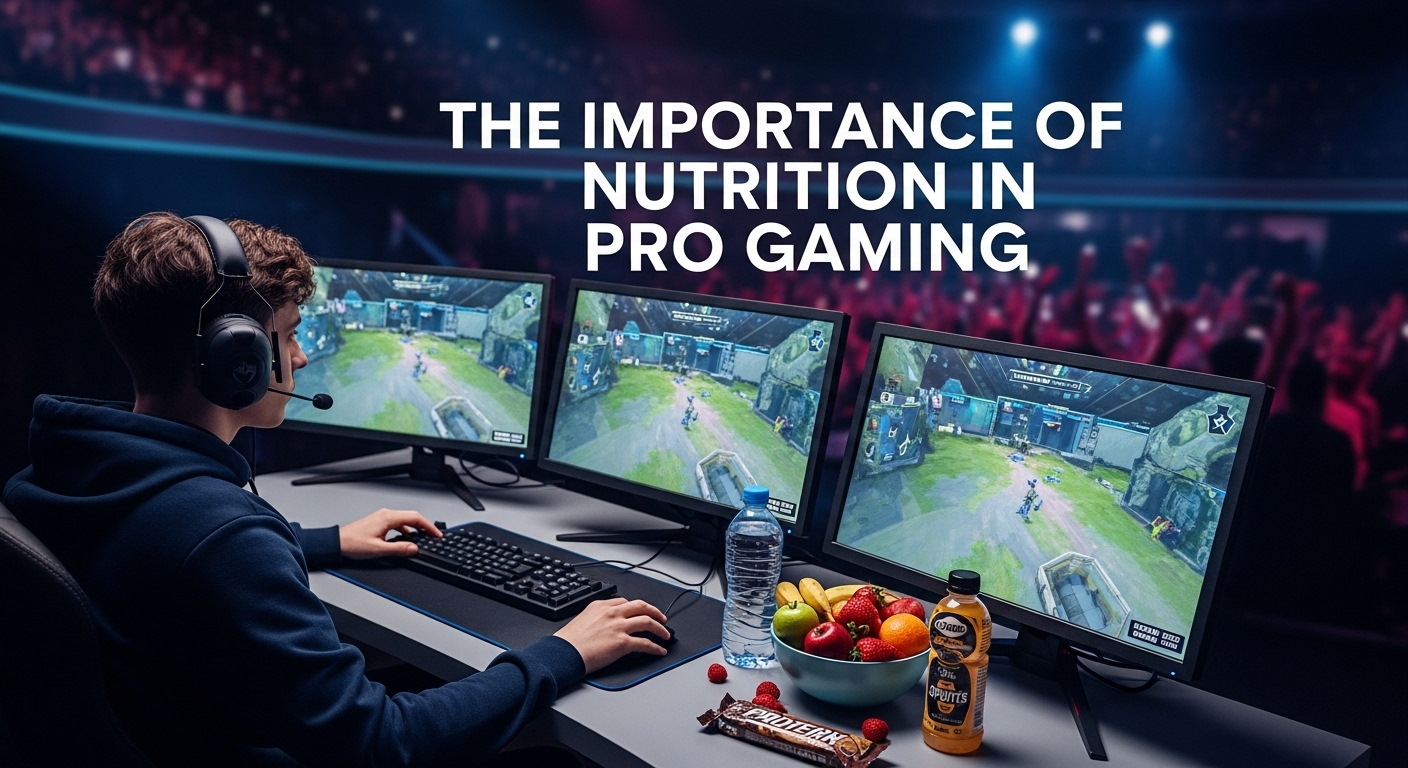
- Coaching & support staff — Besides in-game coaches, top teams provide sports psychologists, nutritionists, analysts, and performance coaches to marginally increase competitive edges.
- Content & brand — Esports teams are entertainment businesses. Training content, behind-the-scenes shows, and creator crossovers drive viewership and sponsorship value.
- Merch & IP — Apparel drops and exclusive merch practices help monetize fandom outside of sponsorships and tournament winnings.
- Infrastructure — Facilities, practice servers, and synergy bootcamps allow teams to prepare for international competition more effectively.
This hybrid approach — performance + content — is why teams that can do both well often survive the long-term volatility of competitive results.
Money, sponsorships, and how success is measured
Esports success isn’t measured purely in trophies. It’s a blend of prize earnings, sponsorship deals, brand reach, and content revenue. For example, organizations that win a marquee event (like The International) receive huge prize pools that dramatically boost earnings, but other revenue lines — streaming, merch, and brand partnerships — provide steadier long-term income.
Some organizations are consistently near the top of global team-earnings lists, reflecting both tournament success and staying power. Those recorded earnings give a useful, though incomplete, picture of which teams are investing and winning consistently. Esports Earnings
The fan experience in North America: more than matches
NA audiences are drawn to two things: personalities and production. Fans watch for the players they follow on social, for the personalities that appear on streams, and for high-production broadcasts that feel more like TV shows than traditional esports coverage. Events in major cities, well-polished broadcast packages, and content-focused orgs all contribute to a viewer experience that’s friendly to mainstream sponsors and new fans.
Local events and LAN tournaments maintain grassroots energy — and they often serve as the first contact point for the next generation of players and content creators. That loop — from amateur LAN to academy team to franchised roster — is how the NA scene replenishes talent and keeps fans invested.
Challenges and criticisms
No ecosystem is perfect. North America faces critiques that range from “underperforming internationally in some titles” to “over-reliance on content and personalities at the expense of competitive development.” Others note that franchised models can create stability for orgs but can also reduce open tournament pathways for underdog teams. These are healthy debates — and they shape how teams and leagues evolve policies around player development, revenue sharing, and competitive pathways.
Another recurring point is the talent flow: some top players from outside NA join NA teams for exposure and money, while homegrown talents sometimes leave for European or Asian scenes if they think it increases competitive upside. Balancing global talent acquisition with domestic development is an ongoing strategic task for NA orgs.
Why international results still matter
Global tournaments — Worlds (LoL), Champions (Valorant), Majors (CS2), and The International (Dota 2) — are the truest tests. NA’s organizations and players gauge themselves by how they perform on those stages. Team Liquid’s Dota 2 victory at TI 2024 is an ideal example of what happens when long-term investment, elite scouting, and team chemistry converge: international recognition and a massive competitive payday. For fans and orgs alike, international success validates regional infrastructure and the strategic choices teams make. Reuters
Where the scene is headed (short predictions)
- More franchising and regional stabilization: Expect more structured investments and partnerships between gaming companies and entertainment brands.
- Creator-athlete hybrid careers: Players who stream will continue to expand their personal brands, which can complicate roster dynamics but also increase revenue.
- Data-driven scouting: Organizations will increasingly adopt analytics and machine learning tools to scout talent and design strategies.
- Cross-continental rosters: Roster regionality will remain fluid: teams will keep mixing talent globally to chase results and marketability.
These trends suggest NA will remain an important business and cultural hub for esports, even as competitive power shifts between regions game-to-game.
Quick spotlight: five must-follow NA players/orgs (who to follow now)
- Team Liquid — Watch for their cross-game investment and how they turn international wins into long-term brand growth. Reuters
- Cloud9 — A consistent content and competitive presence in NA that fans follow both for results and production.
- 100 Thieves — A content-first org whose Valorant and LCS involvement makes it a trendsetter in brand and apparel.
- Tyson “TenZ” Ngo (historical impact in Valorant/creator crossover) — A great case study of competitive skill translating into a streaming and brand career. (Check player profile for current status updates.) VLR.gg+1
- Kyle “Bugha” Giersdorf — His Fortnite World Cup win is a key example of a single event creating a global superstar and commercial opportunities. Esports Earnings+1
How to follow NA esports (channels & tips)
- Watch official league broadcasts (LCS, VCT, Majors) for the highest-quality production and the best competitive narratives.
- Follow org channels and content creators for behind-the-scenes videos, roster news, and personality-driven content.
- Check player and team profiles on dedicated trackers (Liquipedia, VLR, HLTV, esportsearnings) to stay informed on roster moves, prize earnings, and historical performance. These sites are valuable for cross-checking stats and following roster news. Esports Earnings+3Liquipedia+3VLR.gg+3
Final thoughts
North American esports is a hybrid industry where entertainment, competition, and business collide. The region’s strengths — strong content ecosystems, big-money orgs, and mainstream visibility — mean NA will remain central to the global conversation, even when international trophies are scarce in some titles. Organizations like Team Liquid, Cloud9, 100 Thieves, and Evil Geniuses show how franchises can scale across games and formats, while players like TenZ, EliGE, Bugha, and historic figures like Bjergsen provide the human stories fans rally behind.
If you’re just starting to watch NA esports, pick a game you like and follow one team: you’ll quickly learn how orgs create narratives, build stars, and evolve across seasons. If you’re already a fan, the next few seasons promise more franchising news, more crossovers between content and competition, and — hopefully — memorable international runs that remind the world why North America is one of esports’ most vibrant markets.