
Esports, once a niche hobby, has evolved into a global phenomenon that connects millions of players, fans, and enthusiasts across continents. Unlike traditional sports, esports transcends geographic, cultural, and linguistic barriers, creating communities that thrive on shared interests and digital connectivity. The rise of esports has fundamentally reshaped the way people interact online, providing a platform for global communication, collaboration, and cultural exchange.
The Global Reach of Esports
One of the defining features of esports is its global accessibility. Games can be played anywhere with an internet connection, allowing players from different countries to compete, collaborate, and socialize. Tournaments attract audiences in the millions, with events broadcasted live across multiple streaming platforms. This level of accessibility ensures that individuals from diverse backgrounds can engage in the same activity, fostering a sense of unity despite physical distance.
Esports titles like League of Legends, Dota 2, Counter-Strike: Global Offensive, and Fortnite have established worldwide communities, drawing players from North America, Europe, Asia, and beyond. The international appeal of these games demonstrates that shared interests in digital competition can bridge cultural divides, creating communities that are both diverse and interconnected.
Online Platforms as Community Hubs
The growth of esports communities is closely tied to the development of online platforms that facilitate communication. Social media networks, Discord servers, Reddit forums, and game-specific chat channels have become virtual spaces where players interact daily. These platforms allow for discussion about strategies, sharing of game-related content, and the organization of tournaments or casual matches.
Discord, for example, has become a central hub for esports teams and fan communities. Players can voice chat during matches, share resources, and even meet others with similar gaming interests. These platforms enable the formation of micro-communities within the broader global esports landscape, offering both casual and competitive players opportunities to connect on multiple levels.
Cross-Cultural Interaction
Esports naturally promotes cross-cultural interaction. Players from different countries frequently communicate during matches, requiring collaboration despite language differences or varying cultural norms. This interaction encourages empathy, adaptability, and intercultural communication skills. Gamers often learn basic phrases in other languages, adopt new communication styles, and gain a better understanding of cultural nuances, all while working towards a common goal.
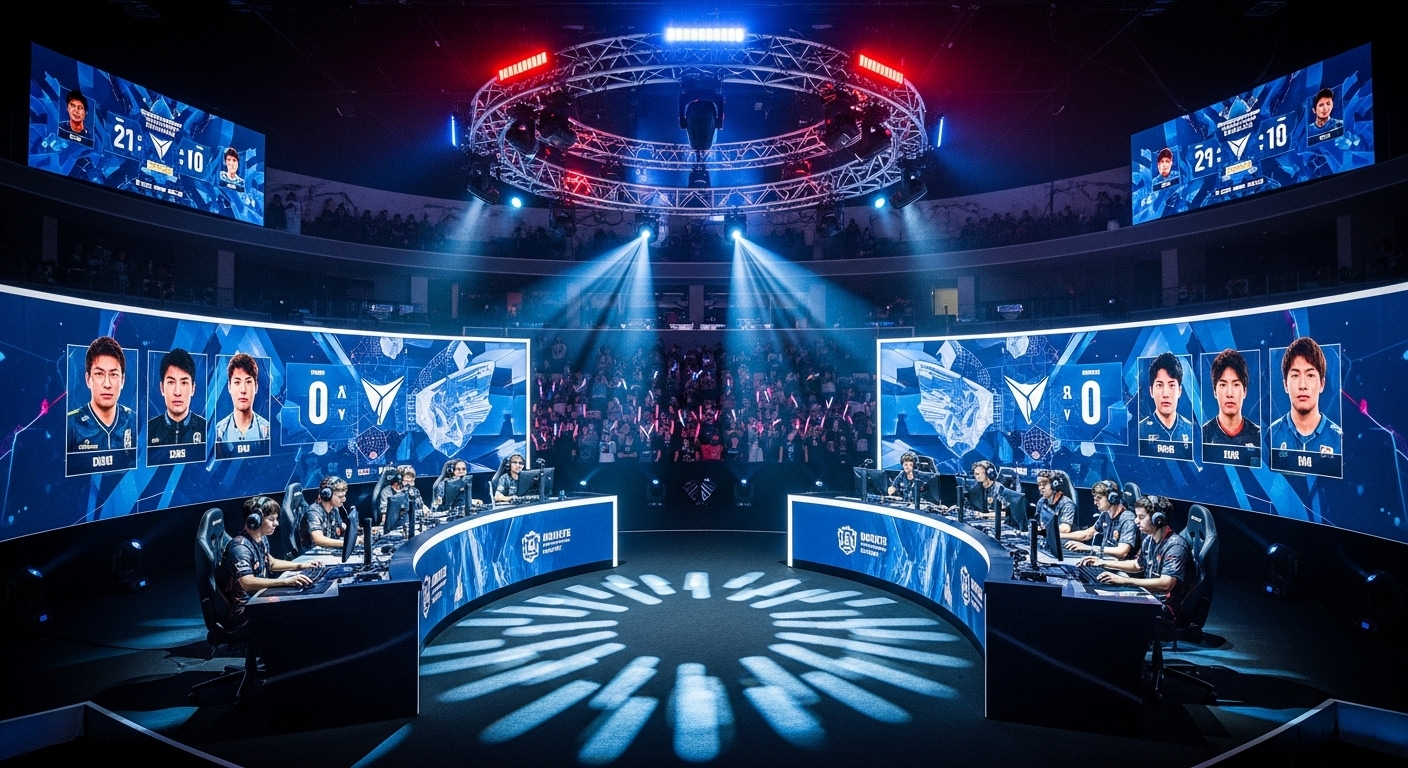
Events like international tournaments provide a more structured environment for cross-cultural exchange. Teams from different nations compete not only for trophies but also for recognition and pride on the global stage. Fans from all over the world come together, both online and in-person, to celebrate these competitions, forming a shared global identity around their favorite games and players.
Building Communities Through Esports Organizations
Professional esports organizations play a crucial role in building global communities. Organizations often have dedicated fan engagement strategies, including content creation, live streaming, and community events. They foster loyalty and inclusivity by offering fans multiple ways to participate, from following professional matches to joining fan clubs or attending meet-and-greets.
Esports organizations also provide opportunities for local players to engage with the global scene. Amateur tournaments and community leagues allow players to showcase their talent while connecting with others who share their passion. By bridging the gap between casual enthusiasts and professional players, organizations nurture a layered ecosystem of engagement that strengthens community bonds.
The Role of Streaming and Content Creation
Streaming platforms have revolutionized the way communities form around esports. Platforms like Twitch and YouTube Gaming enable players and fans to interact in real time, creating dynamic communities that are active 24/7. Streamers act as community leaders, guiding discussions, providing entertainment, and fostering connections among viewers.
Content creation also extends the reach of esports communities. Videos, tutorials, memes, and fan art generate discussion and collaboration, allowing global audiences to contribute creatively to their communities. Fans are not merely spectators; they are active participants, shaping the culture of esports and reinforcing the sense of belonging that comes with community membership.
Online Tournaments and Competitive Events
Competitive events are a cornerstone of esports communities. From local online competitions to massive international tournaments, these events bring together players and fans from around the world. Online tournaments, in particular, have been instrumental in connecting communities without geographical constraints. Players can participate from their homes while still experiencing the thrill of global competition.
The structure of esports competitions also encourages collaboration and teamwork. Team-based games require coordination, strategy, and communication, often with players from different cultural backgrounds. These experiences build social skills, trust, and camaraderie, strengthening the bonds within the community while simultaneously connecting people across continents.
Fostering Inclusivity and Diversity
Esports communities are inherently diverse, attracting individuals regardless of gender, race, or socio-economic status. Unlike many traditional sports, the primary criterion for participation is skill and dedication rather than physical ability or access to expensive infrastructure. This inclusivity allows a wide range of people to contribute to and benefit from the global community.
Female gamers, LGBTQ+ players, and individuals from marginalized groups are finding increasingly visible roles within esports communities. Dedicated tournaments and initiatives support underrepresented groups, promoting equality and creating spaces where all members feel valued. This commitment to inclusivity strengthens global esports communities, emphasizing shared passion over differences.
Education and Mentorship in Esports Communities
Education and mentorship are essential components of thriving esports communities. Experienced players often mentor newcomers, sharing tips, strategies, and guidance on navigating competitive environments. Online tutorials, coaching sessions, and workshops further enhance learning, allowing players to improve while forming social bonds.
Mentorship extends beyond gameplay. It often includes lessons on sportsmanship, communication, and teamwork, which are transferable skills valuable in real-world contexts. These learning opportunities contribute to a more interconnected and supportive global community, where members actively invest in each other’s growth.
Social Media’s Impact on Community Engagement
Social media has become a driving force in esports community-building. Platforms such as Twitter, Instagram, and TikTok allow fans to follow their favorite players, comment on achievements, and share moments from competitions. Social media also facilitates advocacy and mobilization, whether it is raising awareness for charity streams or organizing fan-led events.
Engagement through social media fosters a sense of belonging. Fans can express their opinions, celebrate successes, and even participate in shaping the esports narrative. This participatory culture strengthens community cohesion, making members feel like an integral part of a global ecosystem.
Esports as a Cultural Bridge
Esports serves as a cultural bridge, connecting individuals who might never interact otherwise. Games often incorporate elements from different cultures, creating shared experiences that spark curiosity and understanding. Players learn about international gaming trends, local customs, and even global social issues through their involvement in esports.
The global nature of esports also encourages language learning and cross-cultural appreciation. Communication in international teams often requires a mix of languages, slang, and gaming terminology, promoting cognitive flexibility and global awareness. In this way, esports not only entertains but also educates, creating culturally literate communities that transcend borders.
Challenges in Building Global Communities
Despite its many benefits, building global esports communities is not without challenges. Language barriers, time zone differences, and internet accessibility can limit participation. Toxic behavior, harassment, and exclusionary practices can also undermine community cohesion. However, proactive moderation, inclusive policies, and community guidelines can mitigate these issues.
Organizations and platforms are increasingly prioritizing safety, inclusivity, and fairness to ensure positive experiences for all members. Community-driven initiatives, such as reporting systems, educational campaigns, and mentorship programs, further strengthen trust and cooperation within global esports communities.
The Future of Global Esports Communities
The future of esports promises even greater opportunities for global community-building. Advancements in virtual reality, augmented reality, and cloud gaming will further eliminate geographic and physical barriers. As esports continues to grow, communities will become more interconnected, offering richer, more immersive experiences.
Moreover, collaborations between international organizations, universities, and grassroots initiatives will foster cross-cultural learning and global networking. The continued rise of esports as a social, cultural, and professional platform ensures that global communities will not only persist but thrive, connecting millions of people through shared passion and digital innovation.
Conclusion
Esports is far more than competitive gaming; it is a powerful tool for global community-building. Through online platforms, international tournaments, streaming, and social media, esports creates spaces where people from diverse backgrounds can connect, collaborate, and grow together. It fosters inclusivity, cross-cultural understanding, mentorship, and social engagement, transforming the digital landscape into a thriving ecosystem of global communities.
As esports continues to evolve, its impact on society extends beyond entertainment. It shapes how people communicate, collaborate, and form relationships in a digital age. By bringing the world together through shared experiences, esports demonstrates the transformative potential of gaming as a force for connection, learning, and community.