

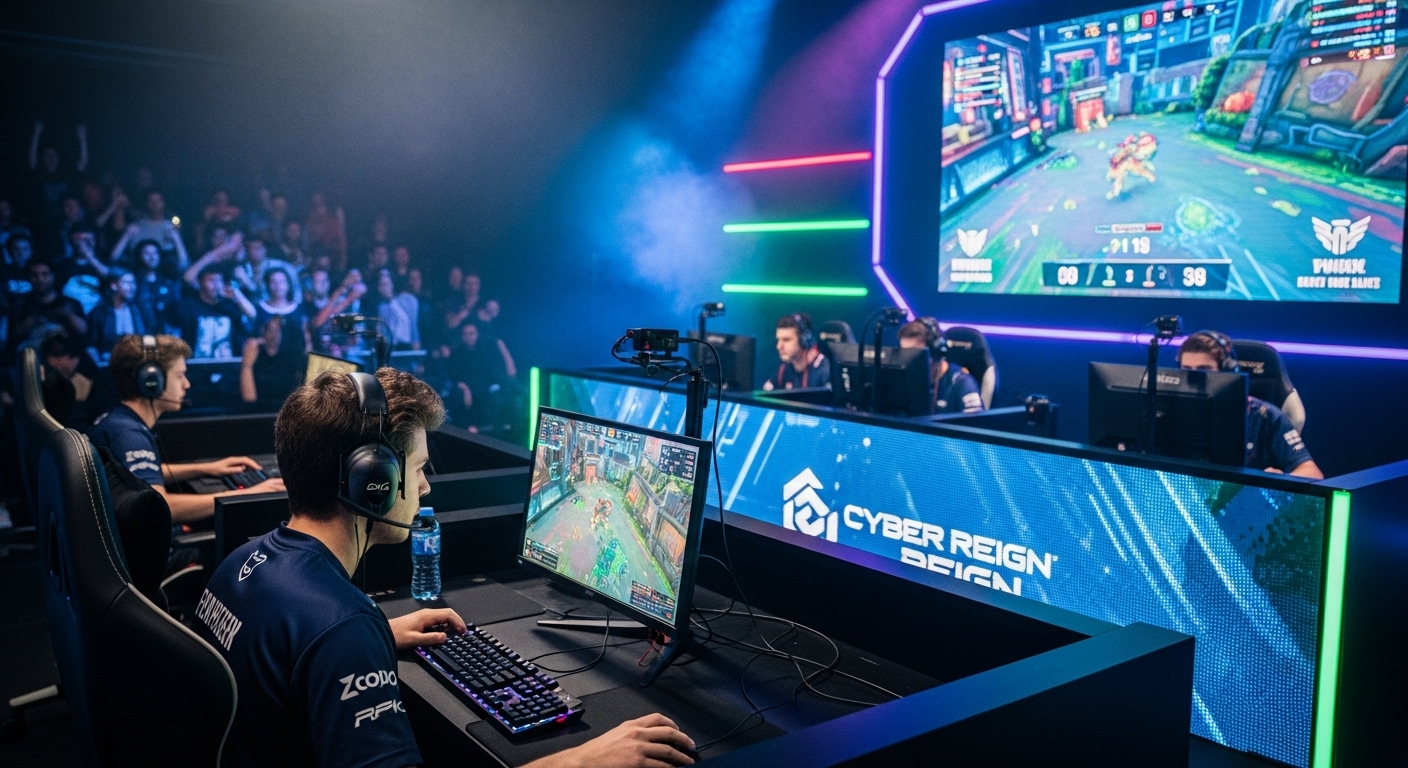
Esports has emerged as one of the fastest-growing forms of entertainment, turning video games into a competitive arena watched by millions worldwide. What was once a niche hobby has become a professional sport, complete with players, coaches, sponsors, and global tournaments.
What is Esports?
Esports, short for electronic sports, refers to organized competitive gaming. Players or teams compete in video games across various genres, including strategy, shooters, and multiplayer online battle arenas. Unlike casual gaming, esports requires skill, strategy, teamwork, and dedication, transforming gaming into a serious professional pursuit.
The Rapid Growth of Esports
The esports industry has experienced unprecedented growth in recent years. Global tournaments now feature prize pools worth millions, attracting top-tier players and international audiences. Streaming platforms allow fans to watch live matches, follow their favorite players, and engage with communities, making esports a major cultural and economic phenomenon.
Careers in Esports
Esports offers more than entertainment—it provides real career opportunities. Professional players train for hours to refine their skills, while coaches, analysts, and content creators contribute to team success. Beyond playing, esports careers include event management, broadcasting, marketing, and game development, reflecting the industry’s wide-ranging impact.
Technology: The Backbone of Esports
Technology plays a crucial role in esports. High-performance computers, consoles, and peripherals are essential for competitive play. Reliable internet and streaming platforms allow global participation and viewership. Emerging technologies like virtual reality and augmented reality promise to create more immersive experiences for players and audiences alike.
The Community Factor
Esports thrives on community. Fans engage through social media, live streams, and local events, building a sense of camaraderie and shared passion. Online communities provide support, tips, and a platform for discussion, enhancing both the gaming experience and the industry’s social dimension.
The Future of Esports
The future of esports looks promising. Continued technological innovation, wider global reach, and increased investment are expected to expand the industry further. Integration with traditional sports, educational programs for aspiring players, and more inclusive tournaments are shaping esports into a mainstream, enduring form of entertainment.
Conclusion
Esports is more than a trend—it’s a revolution in how people play, watch, and connect through gaming. Combining skill, strategy, technology, and community, esports is redefining competition in the digital age. As the industry continues to grow, it promises to offer exciting experiences for players and fans alike for years to come.