

Introduction: The Digital Arena of Esports
In the last decade, esports has emerged as one of the most dynamic and rapidly growing industries worldwide. What once began as small-scale video game competitions among friends has evolved into a global phenomenon attracting millions of participants and viewers. Esports is not just about playing games; it represents a blend of skill, strategy, teamwork, and entertainment. This digital form of competition has created a new culture, opened career opportunities, and redefined the concept of professional sports. This blog explores the rise of esports, its influence on players and fans, its economic impact, and its role in shaping the future of digital competition.
The Evolution of Esports
Esports has undergone significant transformation since its inception. In the 1980s and 1990s, arcade games and local tournaments introduced competitive gaming to enthusiasts. Titles like Street Fighter, StarCraft, and Quake laid the foundation for organized competitions. With the advent of high-speed internet and online multiplayer platforms in the 2000s, games such as Counter-Strike, Dota, and League of Legends gained global traction. Today, esports encompasses professional leagues, international tournaments, and streaming platforms that reach millions of viewers worldwide. This evolution reflects how technological advancement and digital connectivity have created a new form of competitive entertainment, blending gaming and global culture.
The Competitive Nature of Esports
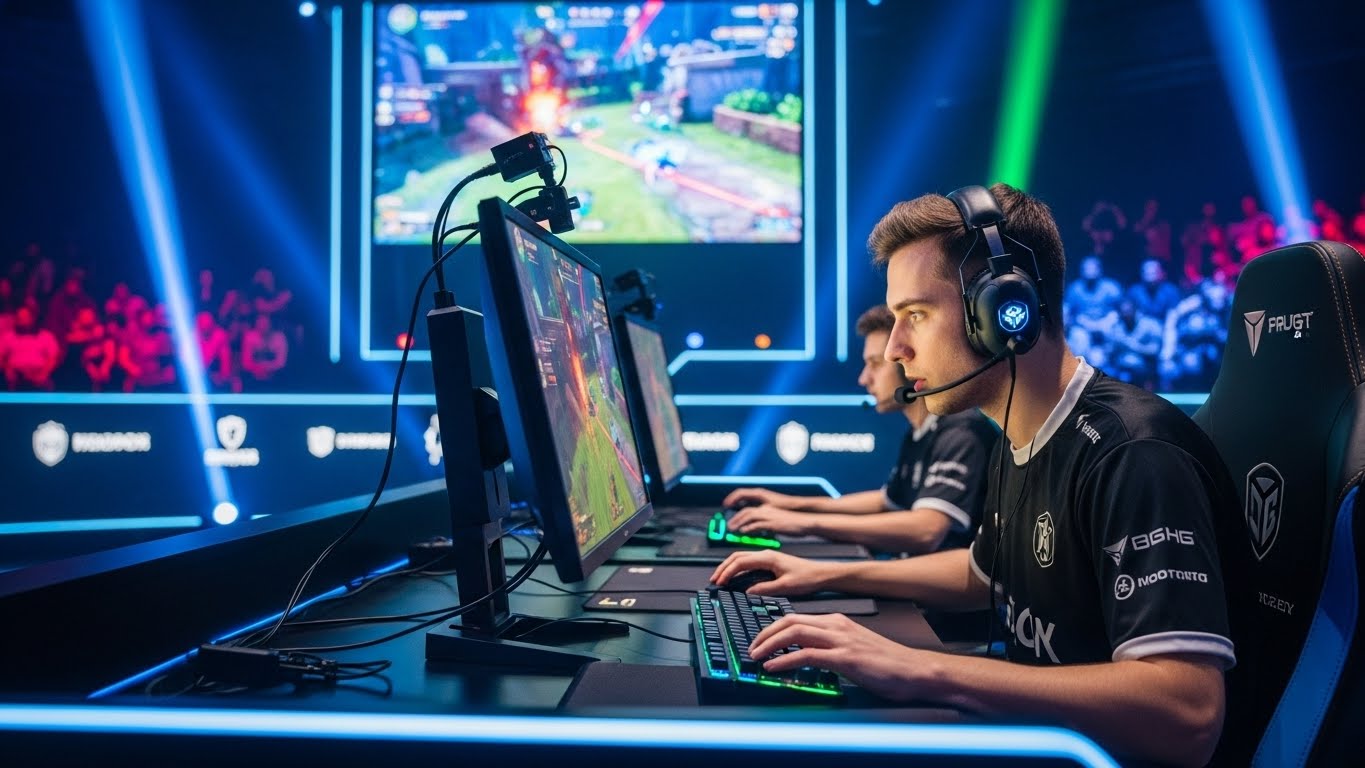
Esports is characterized by its intense level of competition. Professional players dedicate hours to practice, often training eight to twelve hours a day, to master game mechanics, develop strategies, and enhance teamwork. Success requires a combination of fast reflexes, analytical thinking, and mental resilience. Competitive gaming is not limited to individual skill; team coordination and communication are critical in many popular titles. Tournaments like The International, League of Legends World Championship, and Fortnite World Cup showcase the highest level of skill, drawing massive audiences and offering multi-million-dollar prize pools, illustrating the seriousness and professionalism within esports.
Mental and Cognitive Benefits
Contrary to the stereotype of gaming as a sedentary pastime, esports can provide significant cognitive benefits. Competitive gaming enhances critical thinking, problem-solving, decision-making under pressure, and strategic planning. Players must adapt to rapidly changing scenarios, anticipate opponents’ moves, and execute precise actions with speed and accuracy. Esports also encourages perseverance, patience, and emotional regulation, as losses are frequent and competition is fierce. Additionally, team-based esports improves communication, leadership, and collaborative skills, all of which are transferable to personal, academic, and professional environments.
Community Building Through Esports
One of the most significant impacts of esports is its ability to build global communities. Online multiplayer games connect players across continents, allowing friendships and collaborations that transcend geographical boundaries. Fans and players engage through forums, social media platforms, and live streaming, sharing strategies, highlights, and experiences. Communities formed around esports provide a sense of belonging, identity, and support, particularly for younger generations who may feel isolated in their offline lives. This global connectivity fosters cultural exchange, mutual respect, and shared enthusiasm for the digital competitive experience.
Career Opportunities in Esports
Esports has grown into a viable professional pathway. Beyond competing, the industry offers careers in coaching, broadcasting, content creation, game development, event management, marketing, and analytics. Professional players can earn salaries, sponsorships, and prize money while building a personal brand that extends beyond the gaming community. Educational institutions have started recognizing esports as a legitimate discipline, offering scholarships, degree programs, and training facilities to nurture talent. This professionalization highlights the legitimacy of esports as a career and emphasizes the dedication, strategy, and skill required to succeed.
The Role of Technology in Esports
Technology is at the heart of esports. High-speed internet, powerful gaming hardware, and advanced software enable competitive play at professional levels. Streaming platforms allow real-time viewing, interaction, and commentary, creating immersive experiences for audiences. Tools like performance analytics, virtual reality, and augmented reality are revolutionizing training, gameplay, and audience engagement. Technology not only enhances competitiveness but also fosters creativity and innovation, making esports a constantly evolving field where players and fans alike are engaged in an interactive and dynamic environment.
The Economic Impact of Esports
Esports is a significant economic driver. International tournaments attract sponsorships, media rights, merchandise sales, and tourism revenue. Professional leagues and events stimulate local economies by creating jobs in event management, media production, marketing, and hospitality. Esports also supports the gaming industry, including hardware manufacturing, software development, and accessory production. Its global reach attracts investment and encourages collaboration between technology companies, entertainment organizations, and sports management firms. The economic influence of esports demonstrates how digital competition can be a substantial contributor to modern economies.
Health and Wellness in Esports
While esports offers numerous benefits, it also presents challenges to physical and mental health. Extended periods of gaming can lead to eye strain, poor posture, repetitive strain injuries, and fatigue. Mental health concerns, including stress, burnout, and performance anxiety, are common among professional players. To address these issues, esports organizations increasingly prioritize fitness routines, mental health support, structured practice schedules, and proper nutrition. Maintaining physical and mental well-being is essential for sustaining high performance and longevity in competitive gaming, emphasizing that esports requires holistic discipline similar to traditional sports.
Esports and Education
Esports is gradually finding a place in educational systems. Schools and universities are integrating esports programs to enhance learning, teamwork, and engagement. Students involved in esports develop skills such as strategic thinking, leadership, problem-solving, and digital literacy. Higher education institutions are offering esports degrees, scholarships, and research opportunities, preparing students for careers in gaming, media, and technology industries. By combining academic rigor with practical experience in competitive gaming, esports in education cultivates skills that are increasingly relevant in a digital-first world.
Cultural Significance of Esports
Esports has become a significant cultural phenomenon. Major tournaments are broadcast to millions, while professional players achieve celebrity status similar to traditional sports stars. Gaming culture influences music, fashion, art, and entertainment, reflecting the integration of esports into mainstream society. Esports has challenged outdated perceptions of gaming, demonstrating that competitive video gaming requires dedication, strategy, and skill. It has also promoted inclusivity, connecting diverse communities and providing opportunities for representation across gender, ethnicity, and socio-economic backgrounds.
The Future of Esports
The future of esports is promising and full of potential. Emerging technologies like virtual reality and augmented reality could revolutionize gameplay and audience interaction. Increased investment from sponsors, media, and educational institutions will continue to professionalize the industry. Esports may expand further into training programs, corporate engagement, and cultural diplomacy, creating new ways for people to connect through competition. As digital and traditional forms of entertainment converge, esports is positioned to redefine sports, culture, and professional opportunities in the 21st century.
Conclusion: Esports as a Global Phenomenon
Esports is more than a form of entertainment; it is a cultural, economic, and competitive force reshaping how people play, watch, and interact. It develops cognitive and social skills, fosters global communities, creates career opportunities, and drives technological innovation. From its humble beginnings to the international tournaments drawing millions of viewers, esports has proven that competition knows no boundaries—digital or physical. As esports continues to evolve, it will redefine the meaning of professional gaming, influence mainstream culture, and inspire future generations to engage in digital competition with skill, strategy, and passion.