

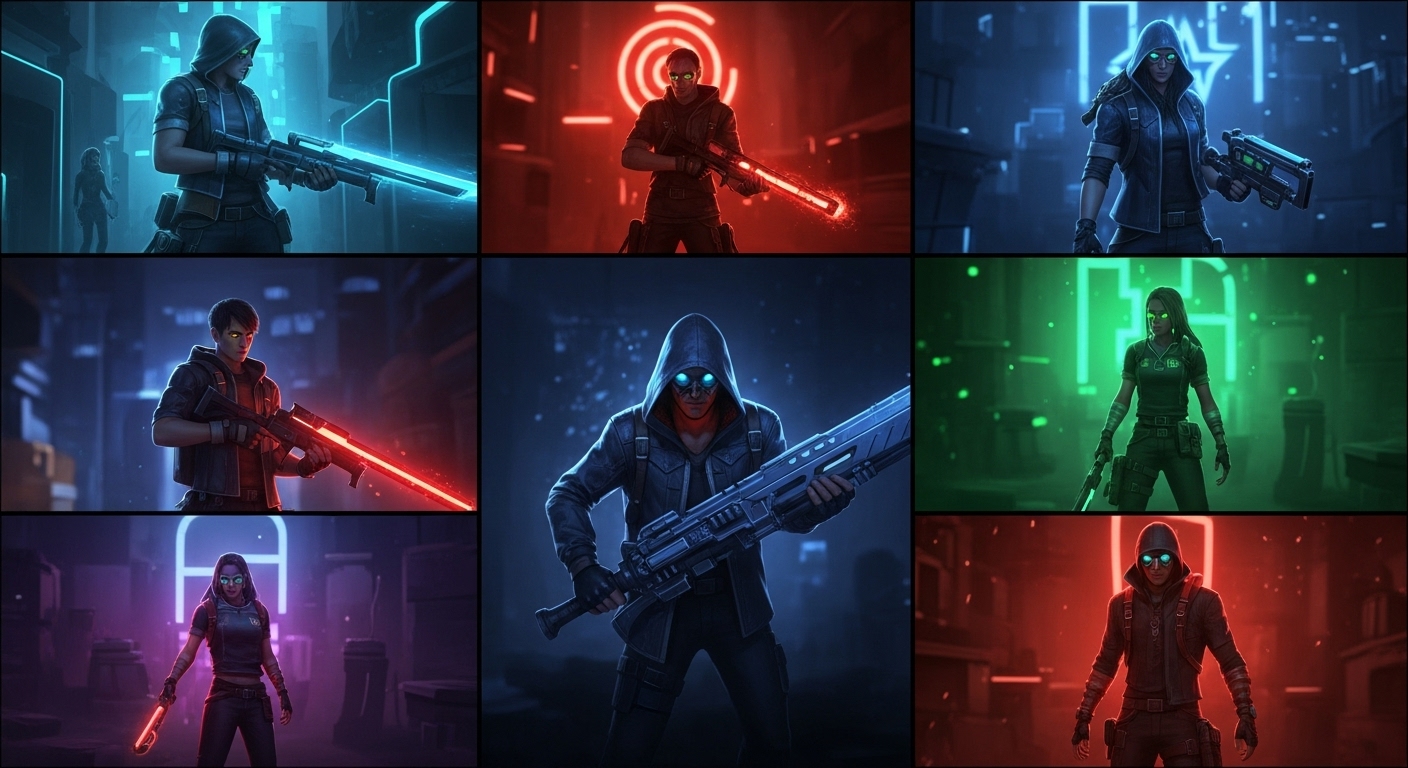
Esports, short for electronic sports, has evolved from a niche hobby into a billion-dollar industry that now rivals traditional sports in terms of global reach, viewership, and revenue generation. What was once considered an activity for basement dwellers or young adults spending hours in front of their computers has now become an internationally recognized competitive field. With professional tournaments, celebrity players, global sponsorships, and millions of fans, esports has become a dominant force in the entertainment and sports industries.
In this blog post, we’ll explore the rise of esports, its impact on global culture, its massive economic footprint, and what the future holds for competitive gaming.
Defining Esports: What Is It?
At its core, esports refers to organized, multiplayer video game competitions, particularly between professional players, individually or in teams. Unlike casual gaming, esports is marked by high-level competition and serious training, with players often spending hours honing their skills in specific games to compete at the highest levels. The games involved in esports can vary widely, but they typically fall into categories like:
- Multiplayer Online Battle Arenas (MOBA): Games like League of Legends and Dota 2 are the flag-bearers for this genre, where teams of players control unique characters with different abilities to battle it out on large maps.
- First-Person Shooters (FPS): Counter-Strike: Global Offensive (CS:GO), Overwatch, and Call of Duty are popular examples of competitive shooting games, where accuracy, reflexes, and team coordination are key.
- Real-Time Strategy (RTS): StarCraft II is a prime example of this genre, requiring players to manage resources, create armies, and outthink their opponents in real time.
- Battle Royale: Titles like Fortnite, PUBG, and Apex Legends have brought competitive gaming to the masses, where players fight to be the last one standing in a large-scale survival scenario.
Esports isn’t just about playing games—it’s about creating professional leagues, live broadcasting competitions, and building a community around these events. The global appeal of esports has skyrocketed in recent years, with tournaments streamed live on platforms like Twitch and YouTube, drawing millions of viewers worldwide.
The Origins of Esports: From Hobby to Profession
While competitive gaming as we know it today is a modern phenomenon, its roots can be traced back several decades. In the 1970s and 1980s, the earliest forms of competitive gaming appeared in arcades, where high-score competitions were common. However, it wasn’t until the late 1990s that esports began to take on a more structured form.
The first major milestone in esports occurred in 1997 when the Red Annihilation tournament for Quake was held. This tournament is often cited as one of the earliest examples of large-scale, organized esports events, with the winner walking away with a Ferrari. This event demonstrated the potential for esports to be not only a competitive pursuit but also a lucrative one.
The late 1990s and early 2000s saw the formation of competitive leagues and organizations like the Cyberathlete Professional League (CPL) and World Cyber Games (WCG), both of which helped establish the framework for professional esports tournaments. The success of games like StarCraft in South Korea further accelerated the growth of esports, as televised competitions began to attract huge audiences. South Korea became an esports hotspot, and the country’s national love for gaming laid the foundation for the global esports boom that would follow.
Esports Today: A Multi-Billion-Dollar Industry
In the past decade, esports has blossomed into a massive global industry. According to industry reports, the global esports market is expected to surpass $1.5 billion in revenue by 2023, with a significant portion of that revenue coming from sponsorships, media rights, merchandising, and ticket sales.
Sponsorships and Advertising
One of the key drivers of esports’ economic growth is sponsorship. Just as traditional sports leagues have corporate sponsorships, esports has attracted major global brands like Intel, Coca-Cola, Nike, and Red Bull. These companies see value in associating their brands with esports, as it allows them to reach a highly engaged, tech-savvy, and often young demographic.
Sponsorships don’t just come in the form of team deals. Esports events and tournaments themselves also attract significant sponsorship revenue. Major tournament organizers, such as Riot Games (creator of League of Legends) and Valve (creator of Dota 2), secure multi-million-dollar partnerships with brands that want to reach the esports audience. In fact, the sponsorships and advertising associated with esports are expected to continue to grow as the audience expands.
Prize Money and Player Salaries
Esports has become a highly lucrative profession for top players. For instance, the Dota 2 International tournament boasts one of the largest prize pools in esports history, consistently surpassing $30 million. In 2021, the prize pool for The International reached over $40 million, with the winning team taking home over $18 million. Similarly, other games like Fortnite and League of Legends offer substantial cash prizes to tournament winners.
While the prize money can be astronomical at the top level, it’s also important to note that players earn money through various other streams. These include sponsorships, streaming on platforms like Twitch, content creation on YouTube, and even individual donations from fans. As esports has become more mainstream, the financial rewards for players have risen, leading to a professionalization of the entire ecosystem.
Media Rights and Streaming
The global demand for esports content has propelled streaming platforms like Twitch, YouTube Gaming, and Facebook Gaming into the spotlight. Esports events are now regularly broadcasted live, reaching millions of viewers worldwide. In fact, some esports events, such as the League of Legends World Championship or CS:GO Majors, attract larger audiences than traditional sports events.
Twitch, the leading live streaming platform for gaming content, has millions of viewers tuning in daily to watch competitive esports matches and individual streams. The platform has revolutionized how gaming content is consumed, with esports tournaments becoming major media events that draw in massive advertising dollars and sponsorships.
Esports Teams and Leagues
Another important facet of the esports ecosystem is the rise of professional esports organizations and leagues. Just as traditional sports leagues like the NBA and NFL have teams that represent cities or regions, esports has its own professional teams. Teams like Team Liquid, Cloud9, and Fnatic have become household names in the esports world, with players who train and compete full-time.
Esports leagues are similarly modeled after traditional sports leagues. The Overwatch League (OWL), for instance, follows a city-based team structure similar to professional sports leagues like the NBA or NFL. In addition, games like League of Legends have regional leagues, such as the LCS (League of Legends Championship Series) in North America and the LEC (League of Legends European Championship) in Europe. These leagues feature regular seasons, playoffs, and championships, contributing to the structure and professionalism of esports.
The Growth of Esports Culture
As esports has grown, it has also developed its own culture and identity. It is no longer just about playing games; it’s about creating a global community of fans, players, content creators, and brands that all contribute to the esports ecosystem.
The Role of Streamers and Influencers
One of the most prominent elements of the esports culture is the influence of streamers and influencers. Top streamers like Ninja, Shroud, and Pokimane have become major celebrities in the gaming world, with millions of followers across social media platforms. These influencers often live-stream their gaming sessions, participate in esports tournaments, and build communities around their content.
These streamers help to drive viewership for esports events, attract sponsors, and create a bridge between professional esports and casual gamers. The influence of these personalities has been instrumental in transforming esports from a niche interest into a mainstream entertainment industry.
Fan Engagement and Community Building
Another aspect of esports’ growth is the strong sense of community that exists around various games and tournaments. Esports fans are highly dedicated, often forming online communities, attending live events, and creating fan content like art, memes, and videos. This level of fan engagement helps foster loyalty and excitement for games and tournaments.
Esports events, both online and in-person, often have an electric atmosphere, with fans cheering on their favorite teams and players. Events like the League of Legends World Championship or The International have turned into massive celebrations of gaming culture, with sold-out arenas and millions of viewers tuning in from home. The live experience of attending an esports event is akin to attending a traditional sports event, creating a similar sense of excitement and community.
Esports as a Career Path
For many young gamers, esports has become a legitimate career path. Professional players, coaches, analysts, and even tournament organizers are now full-time jobs. Many universities have begun offering degrees in esports management, marketing, and game design, providing students with the knowledge and skills to pursue careers in this growing industry.
Esports has created opportunities for individuals not only as players but also as content creators, organizers, and professionals in various other roles. This is a testament to the industry’s growing professionalism and the desire to cultivate talent in every aspect of the esports ecosystem.
The Future of Esports
As esports continues to grow, its future looks incredibly promising. While there are always challenges—such as player health, the regulation of in-game items like loot boxes, and the potential for burnout among players—the industry is poised to keep evolving.
Expansion into New Markets
The global expansion of esports is a key focus for the future. While North America, Europe, and Asia currently dominate the esports scene, there is significant growth potential in regions like Latin America, Africa, and the Middle East. Many esports organizations and tournament organizers are focusing on expanding their reach to these untapped markets, which could further increase the global audience.
Technological Advancements
The future of esports will also be shaped by technological advancements. Virtual reality (VR) and augmented reality (AR) are likely to play a bigger role in esports as these technologies mature. Games that incorporate VR/AR elements could lead to entirely new forms of competition and a more immersive experience for both players and viewers.
Esports in Traditional Sports
Finally, it’s likely that we will see more collaborations between traditional sports leagues and esports organizations. Major sports teams and organizations, such as the NBA, NFL, and European soccer clubs, have already invested heavily in esports. This trend will likely continue as esports becomes increasingly mainstream, and more opportunities arise for crossover between the two worlds.
Conclusion
Esports has come a long way from its humble beginnings as a hobby for a select few. It has transformed into a multi-billion-dollar industry, attracting millions of fans, top-tier sponsors, and even traditional sports teams. Esports is no longer just about playing games; it is a global entertainment force that brings together gamers, fans, and brands in ways never seen before.
As esports continues to grow and evolve, it will undoubtedly continue to shape the future of gaming and entertainment. For players, fans, and investors alike, the world of competitive gaming offers incredible potential, and the best is yet to come. The evolution of esports is still unfolding, and its impact will be felt for years to come.