

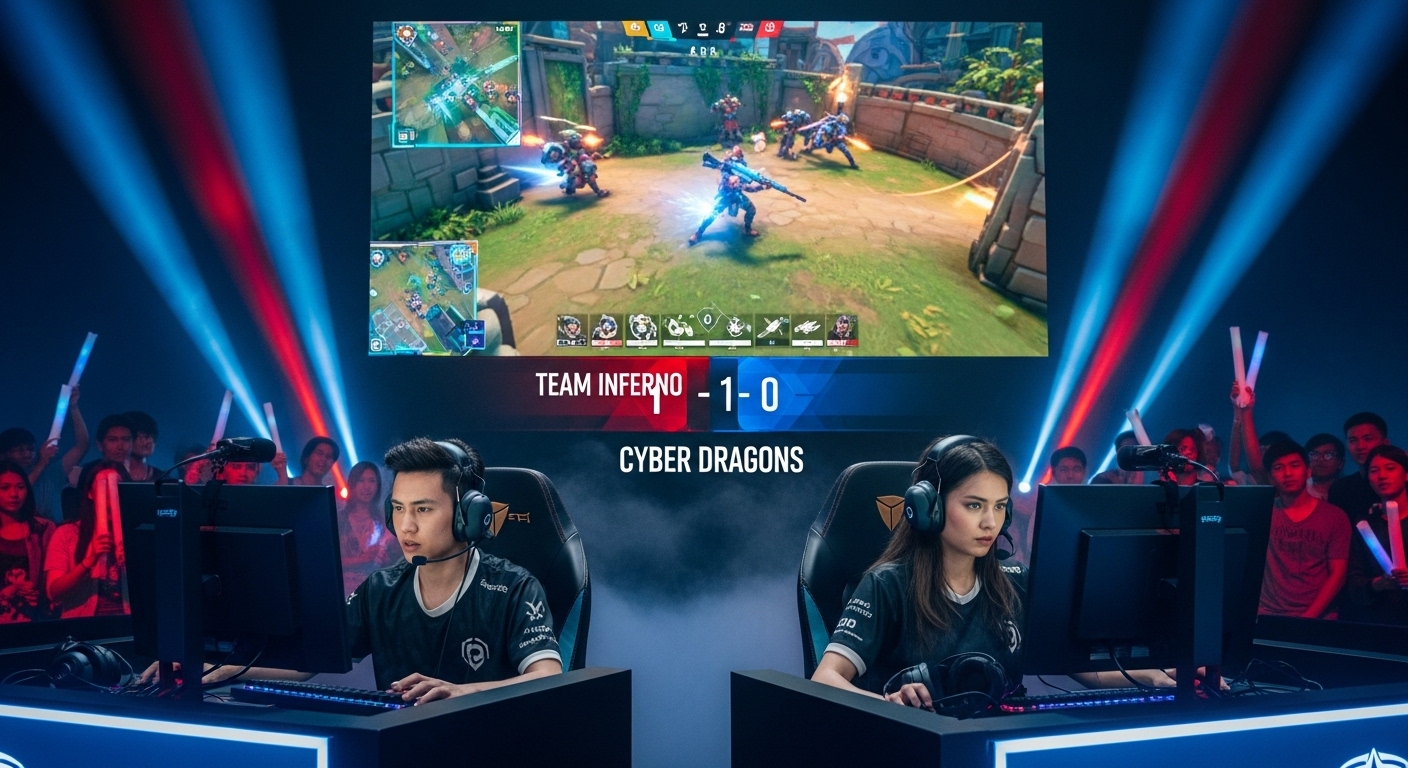
Introduction: The Rise of Esports
In the past decade, esports has transformed from a niche hobby to a global powerhouse of competitive gaming, entertainment, and culture. What was once a hobby enjoyed by a small community of gamers has grown into a multi-billion-dollar industry, attracting millions of players, fans, and viewers from all over the world. Major tournaments now rival traditional sports in terms of viewership, sponsorship deals, and media coverage. From League of Legends and Dota 2 to Fortnite and Valorant, esports has become an essential part of the modern digital landscape.
This blog post will explore the rise of esports, its growing impact on the gaming and entertainment industries, the diverse range of games that fuel the scene, and the exciting future that lies ahead for competitive gaming.
The Evolution of Esports: From LAN Parties to Global Phenomenon
Esports can trace its origins to the early days of competitive video gaming in the 1990s. Initially, competitive gaming was a small, community-driven activity. LAN (Local Area Network) parties, where gamers gathered in small groups to compete against each other, were the early testing grounds for what would eventually become a massive global industry. Games like Quake, StarCraft, and Warcraft III laid the foundation for the esports tournaments that would follow.
The real turning point for esports came in the early 2000s when major gaming titles like Counter-Strike and Halo helped bring competitive gaming into the mainstream. The development of online multiplayer gaming also made it possible for players from all over the world to compete against each other without ever leaving their homes.
By the 2010s, esports had become a highly organized, professionally managed industry. The advent of streaming platforms like Twitch, YouTube, and Facebook Gaming allowed fans to watch live esports tournaments from anywhere in the world. With massive prize pools, sponsorships, and partnerships with major companies, esports began to gain recognition as a legitimate career path for players, coaches, and organizers.
The Core Games of Esports: A Diverse and Thriving Ecosystem
Esports is not dominated by a single game or genre. Instead, the scene is fueled by a wide range of competitive titles, each attracting a unique audience. Let’s take a closer look at some of the most popular games that define the esports landscape.
Multiplayer Online Battle Arenas (MOBAs)
MOBAs like League of Legends and Dota 2 have become pillars of the esports scene. These games involve teams of players competing to destroy each other’s bases while controlling different in-game objectives. The strategic depth, fast-paced gameplay, and team coordination required in these games make them perfect for competitive play. Major tournaments like The International for Dota 2 and the League of Legends World Championship attract millions of viewers, with prize pools reaching tens of millions of dollars.
First-Person Shooters (FPS)
FPS games have also become staples of esports, with titles like Counter-Strike: Global Offensive (CS:GO), Overwatch, and Call of Duty commanding large, dedicated player bases. These games are known for their intense, skill-based gameplay, where precision, tactics, and teamwork are crucial to success. FPS esports tournaments, such as CS:GO Major Championships and the Overwatch League, offer thrilling action that keeps fans on the edge of their seats.
Battle Royale Games
The rise of battle royale games like Fortnite and PUBG has brought a new dimension to competitive gaming. In these games, players or teams compete in a large-scale free-for-all, with the last surviving player or team winning. The unpredictability and ever-changing environments of battle royale games make them exciting to watch, and the massive player bases mean that these titles often dominate esports events. Fortnite, with its flashy events and high-profile tournaments, has attracted a younger demographic, further solidifying the genre’s place in esports.
Real-Time Strategy (RTS)
Real-time strategy games like StarCraft II have long been a staple of competitive gaming, particularly in Asia. Players control armies in real-time, managing resources and executing strategies to outsmart their opponents. While RTS games have somewhat fallen out of the mainstream in recent years, titles like StarCraft II and Warcraft III still attract devoted players and a loyal fanbase.
Fighting Games
The fighting game community (FGC) has been a cornerstone of competitive gaming for decades. Games like Street Fighter, Tekken, and Super Smash Bros. have provided thrilling one-on-one combat for players who specialize in mastering intricate mechanics and combos. Fighting game tournaments, including Evo and Capcom Cup, have grown in size and prestige, offering some of the most passionate and dedicated esports fans.
The Business of Esports: Sponsors, Teams, and Broadcasts
As esports has evolved, it has become a major industry in its own right, drawing in investment from traditional sports organizations, global brands, and even major media companies. Esports tournaments are broadcasted across multiple platforms, including Twitch, YouTube, and television networks, reaching millions of viewers worldwide.
Sponsorships and Partnerships
Esports sponsorships are a major source of revenue for teams, tournaments, and organizations. Tech giants like Intel, Nvidia, and Razer sponsor tournaments and professional teams, while companies from other industries, including Coca-Cola, Mercedes-Benz, and Red Bull, have also partnered with esports to reach younger, tech-savvy audiences. These sponsorships help elevate esports events, provide significant financial backing, and support the growth of the industry.
Professional Esports Teams
Just like traditional sports, professional esports has seen the rise of dedicated teams with full rosters of players, coaches, and analysts. Teams like Team Liquid, Cloud9, and Fnatic compete in multiple esports titles, offering a full spectrum of competition across different games. These teams often have their own branding, fan bases, and corporate sponsors, making them significant players in the esports ecosystem. Professional players can earn impressive salaries, often supported by sponsorships, tournament winnings, and streaming revenue.
Esports Broadcasting
Esports broadcasting has become a key component of the industry’s growth. Platforms like Twitch have made it easy for fans to watch live games, interact with players, and engage with content creators. Major events are now streamed live to millions of viewers, with commentators, analysts, and hosts providing expert coverage. These broadcasts not only showcase the tournaments themselves but also create a community atmosphere, allowing fans to interact and discuss the games in real time.
The Global Impact of Esports: Culture, Communities, and Careers
Esports is no longer just about gaming; it has become a global cultural movement. The industry has created vast communities of fans, influencers, and professionals who engage with the competitive scene in a variety of ways.
Cultural Phenomenon
Esports has become a cultural force, influencing everything from fashion to music. Esports tournaments are not just about the competition but also about entertainment, with live performances, fan events, and celebrity appearances becoming regular features of major tournaments. Games like Fortnite have integrated music events, like Travis Scott’s in-game concert, further blending the worlds of gaming and entertainment.
Building Communities
The community aspect of esports is one of its greatest strengths. Fans from all over the world come together to cheer on their favorite players, teams, and games. Esports events, both online and in-person, foster a sense of camaraderie and shared excitement. Whether through social media, forums, or live chats during broadcasts, esports has created a global network of fans who actively participate in discussions and support the players they love.
Career Opportunities
As esports continues to grow, the industry has created new career opportunities for players, coaches, analysts, content creators, and even journalists. Many young players aspire to become professional gamers, while others find success as streamers, tournament organizers, or social media influencers. Universities are now offering scholarships for esports players, and dedicated esports programs are popping up around the world, providing education and training for the next generation of esports professionals.
The Future of Esports: Where Is It Heading?
The future of esports looks incredibly bright. As the industry continues to mature, we can expect to see even more integration with traditional sports, new game titles gaining traction, and technological innovations that further enhance the esports experience.
The Rise of VR and AR
Virtual Reality (VR) and Augmented Reality (AR) are expected to play a major role in the future of esports. With VR, players can experience games in a fully immersive 3D environment, while AR can bring gaming elements into the real world. These technologies could create entirely new forms of esports, offering fans and players new ways to engage with competitive gaming.
Global Expansion
Esports will continue to expand its global reach, especially in regions like Asia, Latin America, and Africa. The global accessibility of esports, combined with internet infrastructure improvements, means that competitive gaming will continue to thrive across borders. Major esports leagues and tournaments will likely see even more international players, teams, and fans as the scene grows.
Conclusion: Esports – The New Frontier of Entertainment
Esports has established itself as a dominant force in both the gaming and entertainment industries. Its rise to prominence reflects the changing way we view gaming—not just as a pastime, but as a serious and competitive pursuit that attracts millions of fans, sponsors, and media coverage. The diverse range of games, the business opportunities, and the passionate fan communities all contribute to the excitement and growth of esports.