

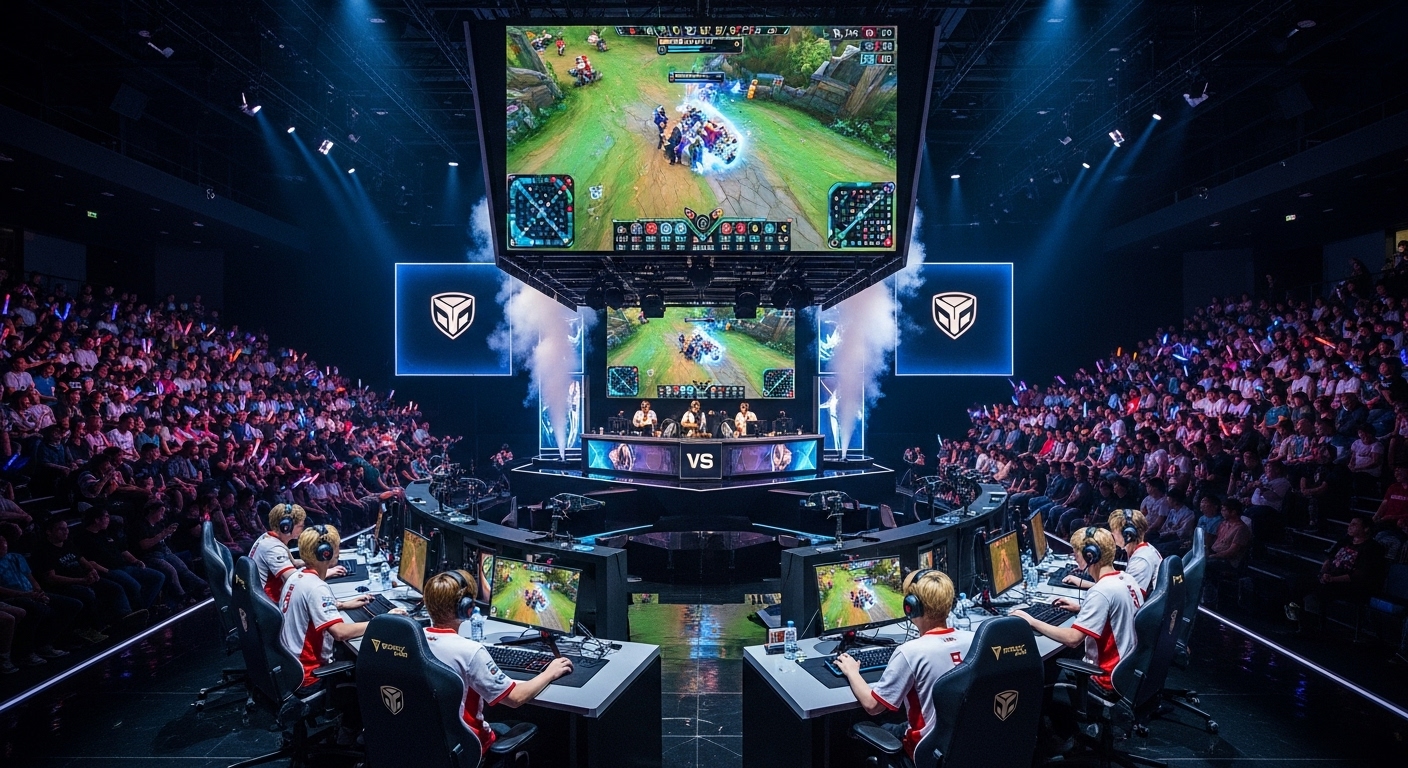
Esports has evolved from a niche hobby into a global cultural phenomenon. What was once casual gaming among friends is now a professional, organized, and highly competitive industry that attracts millions of viewers and offers serious career opportunities.
The Growth of Esports
The journey of esports began with small-scale competitions in arcades and local tournaments. Today, it has transformed into a billion-dollar industry with worldwide tournaments, massive prize pools, and professional teams. Games like League of Legends, Dota 2, Valorant, and Fortnite have propelled esports into the mainstream, attracting players and fans from every corner of the globe. Technology and high-speed internet have made gaming more accessible, allowing anyone to participate or watch live competitions.
Professional Players and Careers
Esports is not just about playing games; it’s a legitimate profession. Professional players train rigorously, often for eight to ten hours a day, focusing on strategy, teamwork, and reflex development. Successful players earn substantial incomes through tournament winnings, sponsorships, and streaming revenue. Beyond players, the esports ecosystem includes coaches, analysts, event organizers, content creators, and marketers, offering diverse career paths within the industry.
Spectatorship and Fan Engagement
Esports tournaments have become grand spectacles, drawing live audiences and millions of online viewers. Fans engage with events through live streaming platforms, social media interactions, and in-game experiences. This level of engagement creates a passionate community that supports teams, discusses strategies, and celebrates victories, similar to traditional sports fandoms.
Cultural and Social Impact
Esports has redefined the concept of competition and entertainment. It promotes inclusivity, collaboration, and creativity, allowing players from different backgrounds to connect globally. The industry also encourages problem-solving, strategic thinking, and teamwork. Furthermore, esports has sparked discussions about healthy gaming habits, balance between virtual and real-world activities, and the importance of mental and physical well-being for players.
The Future of Esports
The future of esports is bright and full of potential. Advancements in virtual reality, augmented reality, and cloud gaming are set to revolutionize the way games are played and watched. Educational institutions are beginning to recognize esports, offering scholarships and organized programs to nurture young talent. As esports continues to expand, it will shape entertainment, technology, and culture for generations to come.
Conclusion
Esports is more than just competitive gaming; it is a global movement that blends entertainment, strategy, and community. From humble beginnings to massive international events, esports continues to captivate audiences and provide career opportunities, proving that the world of gaming has arrived as a serious and influential part of modern culture.