

Introduction
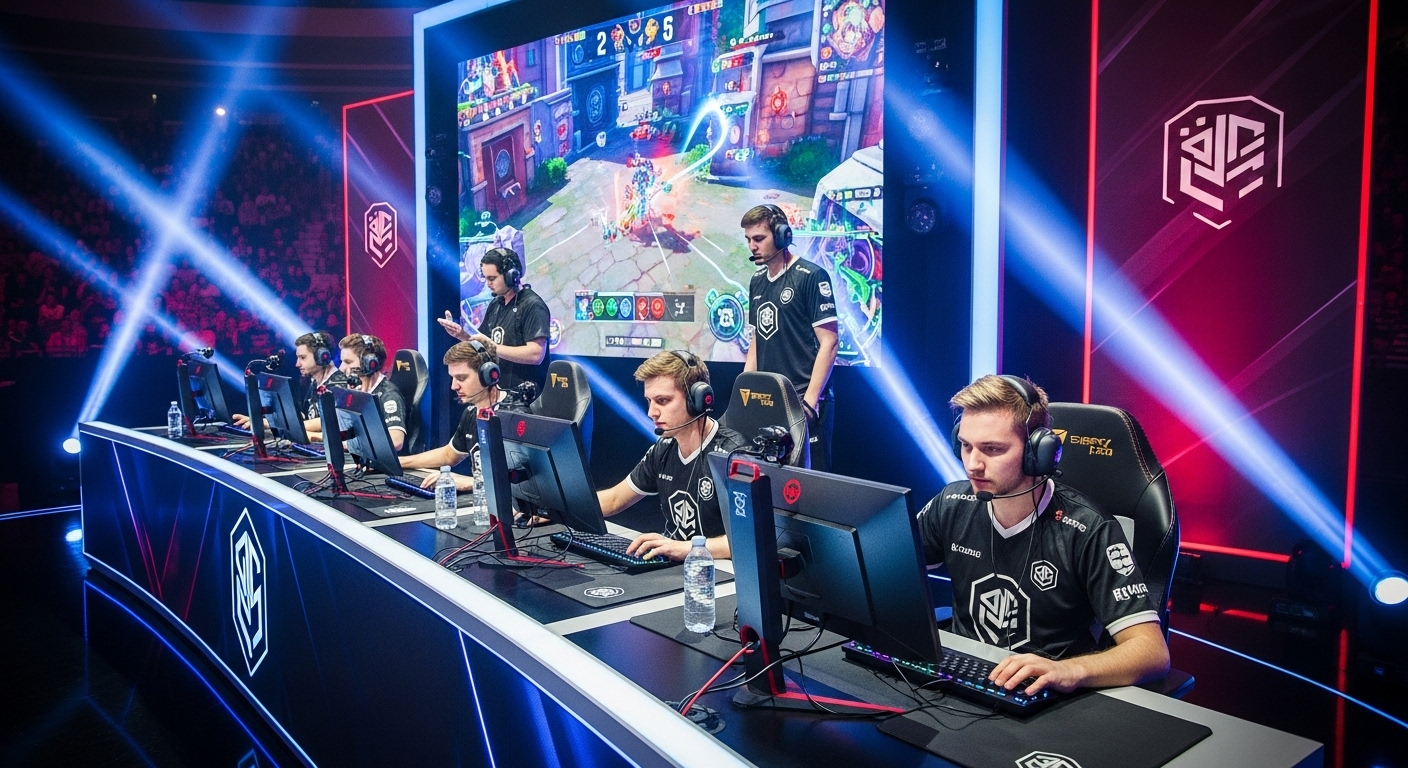
Esports, or competitive gaming, has emerged as one of the fastest-growing industries in the world. What began as casual multiplayer matches in basements and arcades has transformed into a global phenomenon with professional leagues, multimillion-dollar prize pools, and devoted fan bases rivaling traditional sports. Today, esports is not only a form of entertainment but a cultural movement, shaping the way people compete, socialize, and even pursue careers.
The rise of esports reflects the convergence of technology, media, and gaming culture. It has redefined competition, created economic opportunities, and fostered communities on a scale never seen before. Understanding esports is essential to appreciating the future of digital entertainment and competitive sports.
The Origins of Competitive Gaming
The roots of esports can be traced back to the 1970s and 1980s when arcade tournaments began gaining popularity. Early competitions, such as the Space Invaders Championship, demonstrated that gaming could go beyond casual fun and evolve into organized competition. These events brought together players from different regions, setting the stage for the idea that skill and strategy could be measured and celebrated.
In the 1990s, competitive gaming evolved with the advent of multiplayer online games. Titles like Quake, StarCraft, and Counter-Strike provided platforms for players to compete virtually, connecting individuals across countries. These games established fundamental principles of esports: teamwork, strategy, reflexes, and communication. By the early 2000s, professional tournaments were emerging, giving rise to the first esports athletes.
The Impact of Streaming Platforms
A major catalyst for esports growth has been the rise of online streaming platforms. Services like Twitch and YouTube Gaming revolutionized the way audiences interact with games. Suddenly, fans could watch live competitions, follow favorite players, and engage in real-time discussion. Streaming transformed esports from a niche activity into a spectator sport accessible to millions around the globe.
Streaming also created new revenue opportunities for players and content creators. Sponsorships, advertising, subscriptions, and donations allow professional gamers to make esports a full-time career. Additionally, streaming has helped democratize the industry, enabling talented players from any region to gain visibility without relying on traditional media coverage.
Popular Esports Titles and Genres
Esports encompasses a wide range of game genres, each with unique competitive dynamics. Multiplayer online battle arenas (MOBAs) like League of Legends and Dota 2 emphasize strategy, teamwork, and rapid decision-making. First-person shooters (FPS) such as Counter-Strike: Global Offensive, Valorant, and Call of Duty focus on precision, reflexes, and tactical execution.
Other genres, including fighting games, sports simulations, and real-time strategy games, have also cultivated passionate competitive communities. Each game has its own ecosystem of players, teams, and fans, creating diverse cultural and social experiences within esports. The popularity of these titles demonstrates that competitive gaming appeals to a broad range of audiences, offering multiple avenues for engagement.
Professionalization of Esports
Esports has rapidly transformed from casual competition into a professional industry. Top-tier teams operate like traditional sports franchises, complete with coaches, analysts, psychologists, and support staff. Players sign contracts, receive salaries, and follow rigorous training schedules. The most successful tournaments now offer prize pools reaching millions of dollars, further legitimizing esports as a career path.
Professional leagues and tournaments, such as the League of Legends World Championship and The International in Dota 2, attract global audiences in the hundreds of millions. These events are broadcast live, featuring commentary, analysis, and entertainment elements that enhance viewer engagement. Corporate sponsorships, merchandise, and ticketed live events have turned esports into a major economic force within the entertainment sector.
The Global Reach of Esports
Esports is a truly global phenomenon. In Asia, countries like South Korea and China have embraced competitive gaming as mainstream culture, complete with dedicated esports arenas, government support, and televised events. In Europe and North America, professional leagues rival traditional sports in viewership and sponsorship revenue.
The global nature of esports fosters cross-cultural engagement. Players from different countries compete and collaborate, while fans from around the world form communities united by shared interests. This international connectivity positions esports as both a sport and a cultural bridge, highlighting its role in fostering global digital communities.
The Role of Streaming and Content Creation
Streaming and content creation are integral to the esports ecosystem. Beyond live competitions, fans engage with tutorials, highlight reels, behind-the-scenes footage, and lifestyle content from professional players. This continuous content cycle keeps audiences engaged even outside of tournaments.
Content creation has also transformed esports into a broader entertainment medium. Players build personal brands, connect with fans, and create diverse revenue streams through sponsorships and subscriptions. Social media amplifies this reach, turning individual gamers into global personalities. The combination of competitive play and content creation makes esports a unique blend of sport, media, and entertainment.
Collaboration with Traditional Sports
Traditional sports organizations are increasingly recognizing esports’ potential. Football clubs, basketball teams, and other professional sports franchises have launched esports divisions, bridging the gap between conventional and digital competition. Leagues such as the NBA 2K League demonstrate how esports can complement traditional sports branding while attracting new audiences.
This collaboration validates esports as a professional pursuit and helps expand its influence. Fans of traditional sports are introduced to competitive gaming, while esports enthusiasts gain access to established organizational structures and promotional resources. The intersection of esports and traditional sports illustrates the evolving nature of competition in the digital age.
Career Opportunities in Esports
The esports industry offers a wide range of career opportunities beyond professional play. Coaching, team management, content production, event planning, marketing, and data analysis are critical roles supporting the ecosystem. The rise of esports journalism and media coverage has also created careers in reporting, commentary, and broadcasting.
With global tournaments, sponsorship deals, and merchandise sales, esports provides economic opportunities for individuals with diverse skill sets. The professionalization of the industry ensures that esports is more than a hobby—it is a viable career path for gamers, entrepreneurs, and creative professionals alike.
Challenges Facing the Industry
Despite its rapid growth, esports faces several challenges. Player burnout is a significant concern due to long practice hours, high-pressure environments, and constant travel. Mental health and physical strain, including repetitive strain injuries and eye fatigue, require attention from teams and organizations.
Esports also grapples with issues of fairness, regulation, and inclusivity. Maintaining competitive integrity, preventing cheating, and ensuring a safe environment for all players are critical for sustainable growth. Gender disparity and limited representation in professional esports remain ongoing challenges, highlighting the need for initiatives that promote diversity and inclusion.
The Future of Esports
The future of esports is poised for remarkable growth. Emerging technologies such as virtual reality and augmented reality will create more immersive experiences for players and spectators alike. Artificial intelligence and data analytics can enhance training, strategy, and tournament management.
Education is also becoming a critical factor in esports’ sustainability. Schools and universities are launching programs, scholarships, and esports clubs to nurture talent from a young age. Infrastructure improvements, including dedicated arenas and professional coaching, will continue to elevate the standard of competition. As technology and infrastructure evolve, esports will grow in both scale and sophistication, reaching broader audiences worldwide.
Esports as a Cultural Phenomenon
Esports is not just a sport—it is a cultural movement. It influences fashion, music, entertainment, and social interaction. Merchandise, fan conventions, and online communities foster a sense of belonging among fans and players. For many, esports represents identity, camaraderie, and a shared passion.
The cultural impact extends beyond gaming itself. Esports encourages creativity, collaboration, and strategic thinking, fostering skills applicable in other aspects of life. It also democratizes competition, offering individuals from diverse backgrounds the opportunity to achieve recognition and success on a global stage.
Conclusion
Esports has evolved from humble beginnings in arcades and living rooms to a global industry that rivals traditional sports in both popularity and economic impact. With professional leagues, streaming platforms, and international tournaments, it has established itself as a legitimate and influential form of competition.
The rise of esports reflects the convergence of technology, culture, and entertainment. Its growth has created career opportunities, connected communities, and influenced mainstream media. As virtual competition continues to gain recognition, esports is poised to become an enduring feature of the modern sports and entertainment landscape. The journey from pixels to podiums is a testament to the power of skill, strategy, and community in the digital era, demonstrating that esports is more than a game—it is a global movement redefining competition in the 21st century.