

Introduction
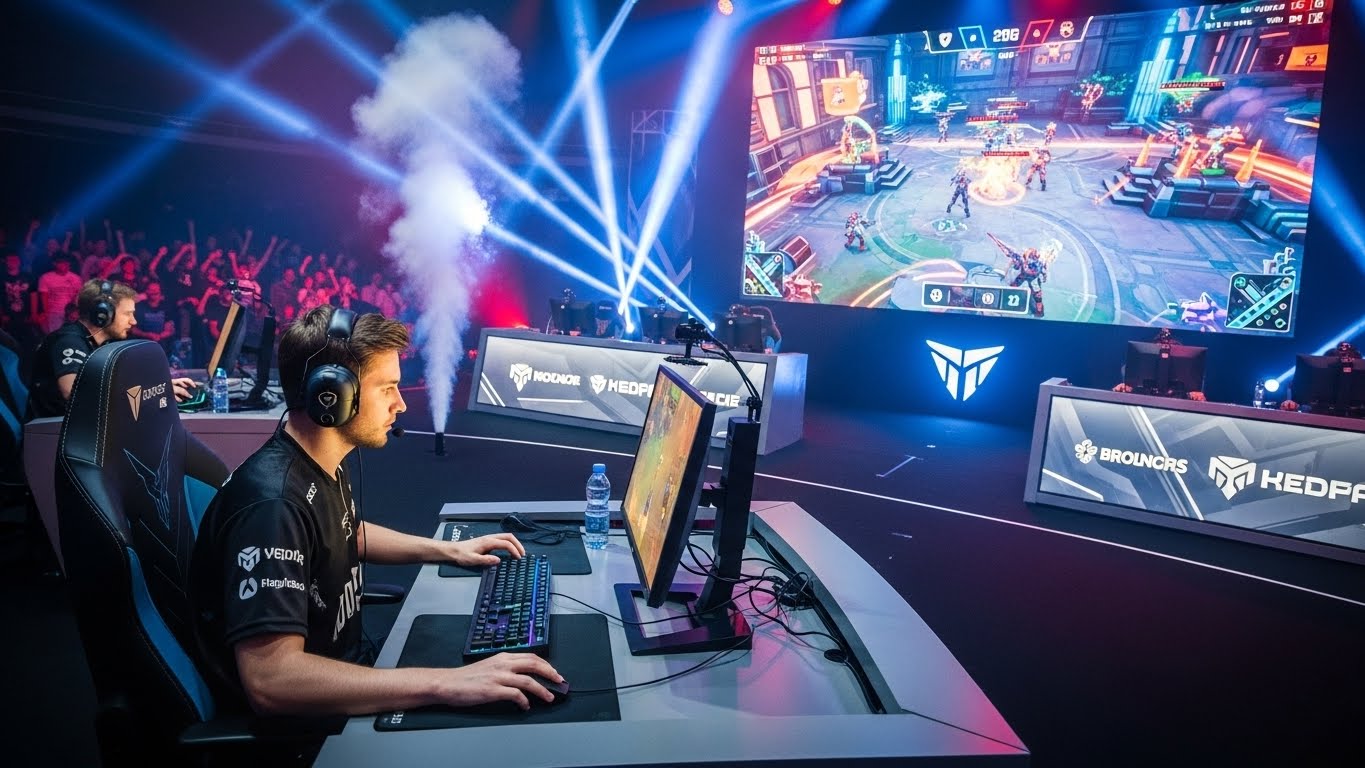
Esports has transformed from a niche pastime into a global phenomenon that captivates millions of fans worldwide. From small gatherings of friends playing in living rooms to arenas filled with cheering crowds, esports has evolved into a structured, professional, and highly lucrative industry. It combines competition, entertainment, technology, and culture in ways that traditional sports are only beginning to understand. This blog explores the history, growth, and future of esports, highlighting why it has become a dominant force in global entertainment.
The Origins of Competitive Gaming
The roots of esports trace back to the late twentieth century, long before high-speed internet and modern consoles. Early competitive gaming often took place in arcades, where players competed for high scores in games like Space Invaders, Pac-Man, and Donkey Kong. The thrill of competition attracted not only players but spectators, laying the groundwork for organized tournaments.
With the arrival of personal computers in the 1980s and 1990s, competitive gaming moved into homes. Titles such as Doom, Quake, and StarCraft introduced multiplayer modes that allowed players to face off locally or online. Communities formed around these games, creating a culture of rivalry and camaraderie that would later define esports. These early competitive environments were informal yet passionate, highlighting the potential of video games as more than mere entertainment.
The Rise of Online Multiplayer Gaming
The expansion of the internet in the late 1990s and early 2000s revolutionized esports. Players no longer had to be in the same location to compete, enabling global tournaments and international communities. Online multiplayer games such as Counter-Strike, Warcraft III, and Dota attracted players who wanted to test their skills against opponents worldwide.
Online forums and chat rooms became hubs for strategy sharing and community building. Gaming clans emerged, creating organized teams that practiced together and competed in online leagues. This sense of belonging and identity helped cement esports as a social as well as competitive activity. Online gaming also introduced the concept of spectatorship, as players and fans would follow tournaments and watch skilled players in action.
Professionalization and Major Tournaments
As competitive gaming communities grew, companies and organizers began to see esports as a legitimate business opportunity. The early 2000s marked the establishment of professional leagues and tournaments. Events like the World Cyber Games and Major League Gaming brought structure, standardized rules, and significant prize pools to competitions.
Professional players began training rigorously, dedicating hours each day to improve their skills. Unlike casual gaming, this level of commitment demanded discipline, teamwork, and strategic thinking. Sponsors and media outlets soon noticed the growing popularity, leading to endorsements, broadcasting deals, and mainstream media coverage. These developments transformed esports from a hobby into a career path with potential global recognition.
Esports Teams and Franchises
Today, esports operates much like traditional sports, with teams, franchises, coaches, and analysts. Professional organizations invest heavily in talent, infrastructure, and branding. Teams often compete in multiple games, creating a portfolio of competitions that expand their visibility and revenue streams.
Franchise systems in games such as League of Legends and Overwatch have formalized esports leagues, introducing seasonal formats, home teams, and standardized rules. This model has increased stability, attracted investors, and encouraged long-term development of players and teams. Fans are no longer just spectators—they are loyal supporters, attending live events and following their favorite teams on streaming platforms.
The Power of Streaming and Content Creation
One of the key factors behind esports’ explosive growth is streaming. Platforms that allow fans to watch games live in real-time have transformed esports into a spectator-driven industry. Players can broadcast matches, casual gameplay, or training sessions, creating intimate connections with audiences.
Streaming has also turned players into content creators and influencers. Many professional gamers balance competitive careers with online broadcasting, cultivating personal brands that extend beyond their performance in tournaments. This combination of competition, entertainment, and personality has attracted millions of viewers, some of whom may not even play games themselves but enjoy the excitement, drama, and storytelling.
Esports as a Career
Esports is now recognized as a legitimate career path. Professional players can earn salaries, prize money, sponsorship deals, and merchandise revenue. Beyond playing, there are numerous roles within the ecosystem, including coaching, management, event organizing, content creation, broadcasting, and analysis.
Educational institutions have also embraced esports. Universities offer scholarships, training programs, and dedicated facilities for aspiring esports athletes. This formal recognition underscores the growing legitimacy of esports as both a sport and an academic pursuit, providing structured pathways for talent development and career opportunities.
Cultural Impact of Esports
Esports has had a significant influence on global culture. Fashion brands collaborate with esports teams, musicians perform at tournaments, and celebrities invest in gaming organizations. Gamers are increasingly recognized as public figures and influencers, shaping trends and participating in charitable initiatives.
The appeal of esports is particularly strong among younger generations who view gaming as a natural form of social interaction and entertainment. Esports champions symbolize dedication, strategy, teamwork, and resilience. They embody the values of competition in a digital age, inspiring fans and players alike to pursue excellence.
Technological Advancements and Esports Innovation
Technology continues to drive innovation in esports. High-speed internet, advanced hardware, and immersive game design enhance the player experience and elevate competitive standards. Emerging technologies such as virtual reality and augmented reality are creating new forms of interactive gaming that could redefine esports competitions.
Artificial intelligence is also playing a role in improving training methods, analyzing gameplay, and developing strategies. These advancements allow players to refine their skills at an unprecedented pace while creating richer experiences for fans. As technology evolves, the esports industry will continue to expand in scope and sophistication.
Challenges Facing the Industry
Despite its success, esports faces several challenges. Player burnout is a serious concern due to long hours of practice and high-pressure competitions. Maintaining mental health and physical well-being is crucial for sustaining long-term careers.
Regulatory issues are another challenge. With competitions spanning multiple countries, establishing consistent rules and ethical standards is complex. The industry must remain vigilant against cheating, match-fixing, and exploitation of players.
Diversity and inclusion also remain critical priorities. Creating welcoming environments for players of all backgrounds ensures that esports continues to grow sustainably and equitably.
The Future of Esports
The future of esports is promising. Global audiences are projected to continue expanding, and more countries are integrating esports into national sports initiatives. Hybrid competitions that combine digital and physical experiences may become more common, blurring the lines between traditional sports and gaming.
Esports also has potential implications for education, business, and entertainment. As competitions grow in sophistication, strategy, and audience engagement, esports will play an increasingly central role in shaping the way people experience competitive performance in the digital age.
Conclusion
Esports has transformed from small gatherings of enthusiasts into a global industry with cultural, economic, and technological significance. It represents a new form of competition, blending skill, strategy, and entertainment in ways that resonate with millions.
From grassroots communities to professional leagues, esports has created a space where passion meets professionalism. With ongoing technological advancements, expanding audiences, and growing recognition, esports is more than a trend—it is a powerful force that is shaping the future of competition and culture worldwide.