

Introduction
In the twenty-first century, few industries have risen as rapidly and dramatically as esports. What was once dismissed as a niche hobby has now evolved into a global phenomenon, blending technology, entertainment, and athletic competition. Esports—short for electronic sports—refers to organized video game competitions, often featuring professional players, large audiences, and substantial prize pools. From small gatherings in local gaming cafes to international tournaments filling massive arenas, esports has become one of the most influential movements in modern culture.
This blog explores the journey of esports from its humble beginnings to its current status as a billion-dollar industry. It examines its growth, global reach, cultural impact, and the way it has redefined what it means to be an athlete in the digital age.
The Origins of Esports
The idea of competitive gaming is not new. The first recorded video game competition took place in 1972 at Stanford University, where students competed in a game called Spacewar. The prize? A year’s subscription to a magazine. While that event was modest, it marked the beginning of something extraordinary.
By the 1980s, arcade games like Pac-Man and Donkey Kong were igniting global excitement, as players battled for high scores displayed on leaderboards. The introduction of home consoles and personal computers expanded gaming’s reach, and by the 1990s, competitive gaming had become a popular pastime. Early tournaments for games like Street Fighter, Doom, and StarCraft began drawing crowds, particularly in Asia, where the foundations of modern esports were laid.
In South Korea, the late 1990s and early 2000s saw the rise of professional gaming leagues and televised tournaments. Internet cafes, known as PC bangs, became the breeding grounds for esports talent. As broadband internet spread, online multiplayer gaming flourished, enabling global competition and setting the stage for esports to become a worldwide sensation.
The Rise of Professional Gaming
The early 2000s were a turning point for esports. Games like Counter-Strike, Warcraft III, and Halo introduced competitive structures that rewarded teamwork, strategy, and individual skill. Professional players began forming teams, acquiring sponsors, and competing in structured leagues with organized rules and substantial cash prizes.
The growth of online streaming platforms later propelled esports into mainstream visibility. Audiences could now watch their favorite players and teams compete live from anywhere in the world. This accessibility turned esports into a spectator sport, with tournaments attracting millions of viewers.
Today, esports professionals are not just players—they are athletes, entertainers, and influencers. They undergo rigorous training, follow strict schedules, and work closely with coaches and analysts. Their careers demand physical endurance, mental agility, and precise coordination. Esports has become a full-time profession for thousands, backed by major sponsorships, endorsements, and global fanbases.
The Most Popular Esports Titles
Esports covers a vast range of games, each with its unique community and competitive structure. Some of the most popular genres include multiplayer online battle arenas, first-person shooters, sports simulations, and strategy games.
Games like League of Legends and Dota 2 dominate the MOBA genre, known for their complexity and teamwork. These games feature international tournaments that attract millions of viewers and offer prize pools worth tens of millions of dollars.
In the world of shooters, titles such as Counter-Strike, Call of Duty, and Valorant have defined competitive gameplay, combining reflexes, strategy, and team coordination. Meanwhile, battle royale games like Fortnite and Apex Legends have captured a younger audience with their fast-paced action and vibrant visuals.
Sports-based games such as FIFA and NBA 2K have also carved out a niche, merging traditional sports with digital competition. Additionally, strategy-based titles like StarCraft II and Hearthstone showcase the intellectual and analytical side of esports, where every move can determine victory or defeat.
The diversity of games ensures that esports appeals to a broad audience, each community connected by a shared passion for competition and digital mastery.
The Global Growth of Esports
Esports is a truly global industry, transcending borders, languages, and cultures. In Asia, countries like South Korea, China, and Japan have long been leaders in competitive gaming. South Korea, in particular, is considered the birthplace of professional esports, boasting some of the most disciplined players and organized leagues in the world.
In North America and Europe, esports has gained significant mainstream recognition, with universities offering scholarships for esports athletes and broadcasters airing major tournaments. Countries such as the United States, Germany, and Sweden have become home to some of the biggest esports organizations.
Meanwhile, in regions like the Middle East, Africa, and South America, esports is rapidly growing, fueled by mobile gaming and expanding internet access. Major cities now host international tournaments, attracting tourism and investment while contributing to local economies.
The global nature of esports has turned it into a cultural bridge. Players from diverse backgrounds come together, united by competition, skill, and a shared digital passion.
The Business and Economy of Esports
Esports is not just entertainment—it is big business. The industry generates billions of dollars annually through sponsorships, advertising, merchandise, and media rights. Major brands from technology, fashion, and food industries invest heavily in esports to connect with younger audiences who prefer interactive and digital forms of entertainment over traditional media.
Teams operate like professional sports franchises, with management staff, marketing departments, and training facilities. Players sign contracts, receive salaries, and earn additional income through endorsements and streaming.
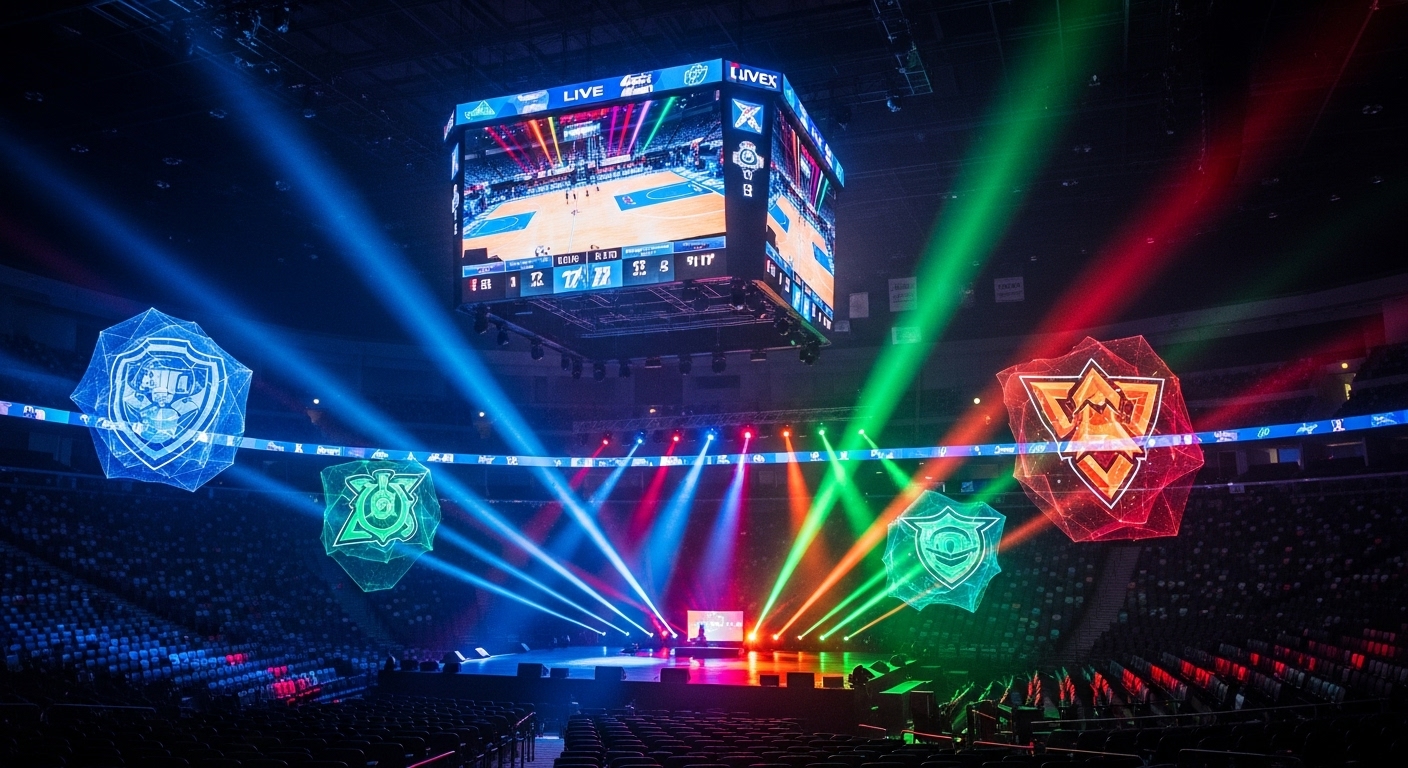
Media companies are also investing in broadcasting rights for esports events, recognizing their massive viewership potential. In recent years, live tournaments have filled arenas and stadiums, proving that esports is not confined to screens—it is a full-fledged spectator event that blends the thrill of sports with the innovation of technology.
Furthermore, the rise of esports betting and fantasy leagues has added another dimension to the industry, contributing significantly to its financial ecosystem while creating new opportunities for fan engagement.
The Role of Technology in Esports
Esports would not exist without technology. High-speed internet, powerful gaming hardware, and sophisticated software are the foundation of this digital sport. Developers continuously innovate to ensure fair play, balanced competition, and immersive experiences.
Streaming technology has revolutionized how audiences experience esports. Fans can watch matches live with real-time commentary and interact with other viewers worldwide. Cloud gaming and artificial intelligence are further shaping the landscape, offering smoother performance and smarter matchmaking systems.
Virtual reality and augmented reality also hold exciting potential. Imagine watching a tournament in a 3D virtual stadium or competing in an immersive environment where physical movement becomes part of the gameplay. Such innovations will redefine how players and spectators experience esports in the near future.
Esports as a Legitimate Sport
For years, debates have surrounded whether esports should be considered a real sport. However, the dedication, discipline, and skill required in professional gaming make a compelling case. Esports players undergo physical conditioning, mental training, and team coordination similar to traditional athletes.
The inclusion of esports in major international sporting events further strengthens its legitimacy. Several countries now recognize esports as an official sport, with national teams representing their nations in global competitions. The International Olympic Committee has even acknowledged the growing influence of esports, signaling that digital competition may soon share the same stage as physical sports.
What makes esports unique is its inclusivity. Unlike traditional sports, where physical attributes often determine success, esports levels the playing field. Anyone with talent, determination, and access to technology can rise to professional status, regardless of background or physical ability.
The Cultural Impact of Esports
Esports has reshaped modern culture in countless ways. It has transformed gaming from a solitary pastime into a vibrant community experience. Players are now celebrated as celebrities, with loyal fans, dedicated teams, and worldwide recognition.
Streaming personalities and content creators have emerged as cultural icons, influencing fashion, music, and even social movements. Esports tournaments have become cultural events, complete with opening ceremonies, live performances, and massive online followings.
Moreover, esports has inspired creativity beyond the screen. Artists, musicians, and filmmakers often collaborate with gaming companies, creating cross-industry projects that merge entertainment and technology. Esports also encourages teamwork, communication, and leadership skills among youth, demonstrating that gaming can be both inspiring and educational.
Challenges Facing the Esports Industry
Despite its success, esports faces challenges that need to be addressed for long-term sustainability. Player burnout is a growing concern due to intense training schedules and high pressure. Mental health support for players is becoming increasingly important.
Cheating, match-fixing, and hacking remain threats to fair competition, requiring strict regulation and technological safeguards. Additionally, the industry must continue promoting diversity and inclusivity, ensuring that players of all genders and backgrounds have equal opportunities.
Balancing commercialization with authenticity is another challenge. As big corporations enter the space, maintaining the passion-driven spirit of gaming is crucial to keeping esports genuine and player-focused.
The Future of Esports
The future of esports looks brighter than ever. With rapid technological advancements, expanding audiences, and growing investments, esports is poised to become a dominant force in global entertainment. The integration of virtual and augmented reality will make competitions more immersive, while AI-driven analytics will enhance player performance and viewer engagement.
Esports will also continue to influence education, with schools and universities introducing esports programs that teach teamwork, strategy, and digital literacy. As virtual spaces like the metaverse develop, esports will likely be at the forefront, offering players and fans new ways to compete, interact, and celebrate.
Ultimately, esports represents the future of play—a future where passion, innovation, and competition merge seamlessly across digital and physical worlds.
Conclusion
Esports has transformed from a hobby into a movement that defines modern entertainment. It combines the excitement of sports, the creativity of gaming, and the innovation of technology into one unstoppable force.
From small beginnings to grand arenas, from local tournaments to global championships, esports embodies the spirit of human progress and the thrill of digital competition. It celebrates skill, teamwork, and the endless possibilities of the virtual world.
In a world driven by connection and creativity, esports stands as a testament to how far gaming has come—and how much further it will go. It is not just the future of competition; it is the future of culture itself, where the digital and the human come together in one exhilarating arena of endless play.