

Introduction
Esports, short for electronic sports, has transformed from a niche hobby into a global phenomenon that redefines entertainment, competition, and digital culture. What began as small local tournaments among friends has evolved into a billion-dollar industry attracting millions of fans, sponsors, and players from around the world. The growth of esports symbolizes the fusion of technology, talent, and teamwork, offering a new kind of arena where players compete for fame, glory, and massive prize pools. The world once associated sports with physical prowess, but now, mental agility, reflexes, and strategy have taken center stage in virtual stadiums.
The Early Days of Competitive Gaming
The roots of esports can be traced back to the early 1970s and 1980s when video games like Space Invaders and Pong were first introduced to the world. In 1980, Atari organized one of the first recognized gaming tournaments, the Space Invaders Championship, which drew more than 10,000 participants. It was a groundbreaking event that marked the start of organized competitive gaming.
During the 1990s, as technology advanced and personal computers became more accessible, competitive gaming started to flourish. Games like Quake, StarCraft, and Counter-Strike laid the foundation for esports by introducing fast-paced multiplayer experiences that emphasized skill, strategy, and teamwork. LAN (Local Area Network) parties became popular gathering spots for gamers who connected their computers to compete face-to-face. These events built strong communities and ignited the competitive spirit that would later define professional esports.
The Internet Revolution and the Birth of Global Esports
The rise of the internet in the late 1990s and early 2000s was a turning point for gaming. It allowed players to compete online, eliminating the limitations of geography. This connectivity transformed gaming from a local pastime into a global competition. Titles like Warcraft III, Counter-Strike 1.6, and Dota became international sensations, drawing players from every continent.
South Korea was among the first countries to recognize esports as a legitimate industry. The government supported the creation of professional leagues and gaming networks, while television channels began broadcasting matches. Games like StarCraft: Brood War became cultural icons in South Korea, turning professional players into celebrities. The model pioneered by South Korea laid the groundwork for esports ecosystems around the world.
The Emergence of Major Esports Titles
Over the years, several games have become central to the esports scene. Each title developed its own community, culture, and professional circuit.
1. League of Legends (LoL): Developed by Riot Games, League of Legends is one of the most played and watched esports games in history. Since its release in 2009, LoL has built a vast competitive ecosystem with leagues across different regions and a world championship that attracts millions of viewers annually.
2. Dota 2: Created by Valve Corporation, Dota 2 is known for its incredible depth and complexity. Its flagship tournament, The International, is renowned for offering some of the largest prize pools in esports history, often exceeding tens of millions of dollars.
3. Counter-Strike: Global Offensive (CS:GO): As a tactical first-person shooter, CS:GO continues the legacy of the original Counter-Strike with a focus on precision, teamwork, and strategy. Its competitive scene remains one of the most stable and respected in esports.
4. Fortnite: Epic Games’ Fortnite took the world by storm not just for its fun gameplay but for its accessibility and cultural influence. The Fortnite World Cup brought in younger audiences and helped esports enter mainstream pop culture.
5. Valorant, Overwatch, and Call of Duty: These titles have added diversity to the esports landscape, each bringing unique styles of gameplay, from tactical hero shooters to traditional team-based competition.
Esports as a Professional Career
Once dismissed as a pastime, competitive gaming has become a viable profession for thousands around the world. Players train rigorously, spending hours refining their reflexes, communication, and game sense. Like traditional athletes, they follow strict training routines, study opponents’ tactics, and maintain physical and mental fitness.
Top esports players can earn substantial incomes through tournament winnings, sponsorships, streaming, and brand endorsements. Some professional players make millions annually, rivaling the salaries of athletes in established sports leagues. Organizations such as Team Liquid, Cloud9, T1, and FaZe Clan have built professional infrastructures that support players with coaches, analysts, nutritionists, and psychologists.
The Role of Streaming Platforms and Social Media
The explosion of streaming platforms like Twitch and YouTube Gaming revolutionized esports viewership. Unlike traditional sports that rely on television networks, esports thrives on digital platforms that allow real-time interaction between players and fans.
Streamers became influencers, content creators, and entertainers. Many professional players built their personal brands by sharing their gameplay and engaging with fans directly. Social media further amplified this connection, making esports a global social experience where fans can follow their favorite teams, discuss matches, and share highlights instantly.
Esports Organizations and Franchised Leagues
As esports grew, its structure began to mirror traditional sports. Franchised leagues emerged, giving teams long-term stability and revenue sharing opportunities. The Overwatch League and Call of Duty League introduced city-based franchises, connecting local communities to teams. Similarly, the League of Legends Championship Series (LCS) and other regional leagues created pathways for young talent to rise through the ranks.
Esports organizations are not just about competition; they are brands in themselves. Teams like Fnatic, G2 Esports, and Evil Geniuses have merchandise lines, training facilities, and partnerships with global companies. These organizations represent professionalism, innovation, and entertainment under one umbrella.
The Economic Impact of Esports
The esports industry’s growth has had significant economic implications. Sponsorships, advertisements, ticket sales, and merchandise contribute to an ever-expanding market. Global brands such as Coca-Cola, Intel, and Mercedes-Benz have invested in esports, recognizing its potential to reach younger, tech-savvy audiences.
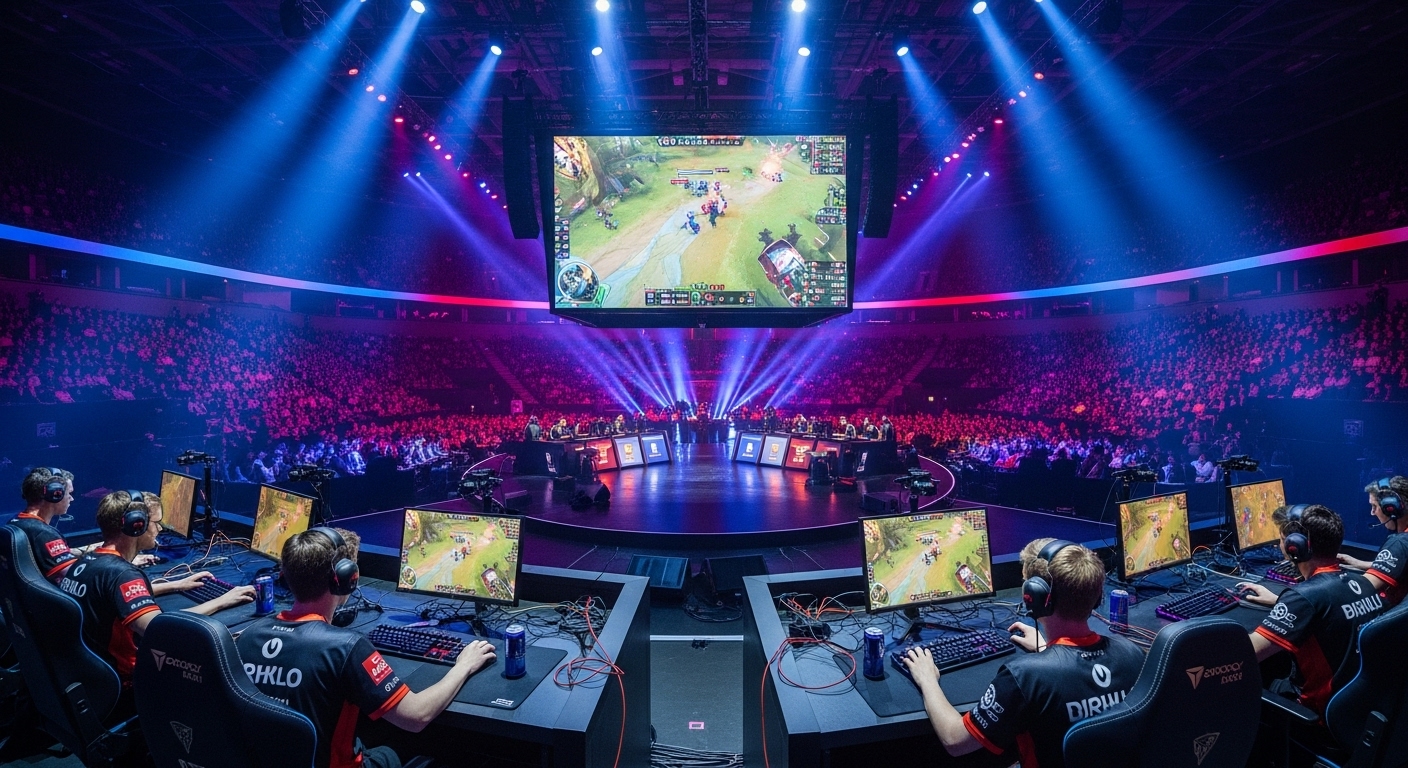
Esports events fill massive arenas, from the Staples Center in Los Angeles to the Bird’s Nest Stadium in Beijing. Millions of viewers tune in online, generating engagement numbers that rival or surpass traditional sports broadcasts. Universities and colleges have even begun offering scholarships for esports athletes, integrating competitive gaming into academic programs.
The Cultural Influence of Esports
Beyond the economic impact, esports has reshaped popular culture. It has become a bridge between technology, entertainment, and community. Major tournaments are not just competitions but global spectacles featuring music performances, celebrity appearances, and cutting-edge visuals.
Esports also fosters diversity and inclusion, providing opportunities for people regardless of age, gender, or background. While challenges remain, the growing number of women in esports, both as players and industry professionals, marks progress toward a more inclusive future.
The gaming community’s culture—rooted in collaboration, creativity, and digital communication—has influenced everything from fashion and music to education and social interaction. Esports has become a central pillar of modern digital identity.
The Psychology and Strategy Behind Esports
What makes esports fascinating is the level of mental sharpness and strategic depth it requires. Every decision, every move, and every reaction can determine the outcome of a match. Players must master cognitive skills such as focus, adaptability, and stress management.
In games like Dota 2 or League of Legends, teamwork and communication are as vital as mechanical skill. Players must understand complex strategies, predict opponents’ movements, and execute precise tactics under pressure. Esports is a battle of minds as much as reflexes.
Sports psychologists now work closely with teams to improve mental resilience, manage burnout, and enhance performance. The emphasis on mental fitness proves that competitive gaming demands as much discipline as any physical sport.
The Technological Advancements Powering Esports
The rapid development of gaming technology has been crucial to the evolution of esports. High-performance computers, faster internet connections, and advanced peripherals allow for seamless competitive play. Game developers continue to innovate, adding features like spectator modes, live stats, and replays to enhance viewer experience.
Virtual reality (VR) and augmented reality (AR) are also beginning to influence esports. They promise to create immersive gaming experiences that blend physical and virtual worlds, potentially redefining how audiences watch and players compete. Artificial intelligence is being used to analyze gameplay, helping teams identify strengths and weaknesses.
Esports Education and Youth Development
As esports continues to gain legitimacy, educational institutions have begun to integrate it into their curricula. Schools and universities around the world are offering degrees in esports management, game design, and digital media. Students learn about the business, marketing, and technical aspects of the industry, preparing them for a variety of careers beyond professional play.
Youth development programs are also being established to train aspiring players in teamwork, leadership, and digital citizenship. Esports encourages problem-solving, strategic thinking, and collaboration—skills that are valuable both in gaming and in life.
Challenges Facing the Esports Industry
Despite its success, esports faces several challenges. Player burnout is one of the most pressing issues, as intense training and travel schedules can lead to exhaustion. Maintaining fair competition is another concern, with issues such as cheating, match-fixing, and doping occasionally surfacing.
Another challenge lies in ensuring sustainability for smaller teams and tournaments. While top-tier events attract massive investment, grassroots organizers often struggle to secure funding. Furthermore, the lack of standardized global regulations means that contracts, player rights, and governance can vary widely between regions and games.
Gender representation remains another hurdle. Although the industry has made progress, female players and professionals still face barriers such as discrimination and lack of visibility. However, initiatives promoting inclusivity and diversity are slowly reshaping the landscape.
The Future of Esports
The future of esports looks brighter than ever. As technology evolves, new genres and formats will continue to emerge. The integration of mobile gaming has already opened up esports to a broader global audience, especially in regions like Southeast Asia, India, and South America.
Esports may also become an Olympic event in the future. Discussions between international gaming federations and sports committees are already underway. The inclusion of esports in multi-sport events like the Asian Games is a significant step toward global recognition.
Metaverse technology and digital reality could further blur the line between gaming and real life, allowing fans to experience matches in virtual arenas alongside players. Esports will likely expand beyond competition into lifestyle, entertainment, and education, influencing how society interacts with technology and creativity.
Conclusion
Esports is not just a trend—it is a cultural revolution. From small gatherings of passionate gamers to massive international tournaments, it has redefined how people view competition, teamwork, and entertainment. It represents a new kind of sport for a digital age, one that values intellect, precision, and innovation.
The journey of esports is a testament to how far gaming has come and how limitless its potential remains. As the industry continues to evolve, it will inspire future generations to pursue their passions, connect globally, and push the boundaries of what is possible in both gaming and life.
In a world increasingly shaped by technology, esports stands as a symbol of unity, creativity, and the boundless power of human potential.