

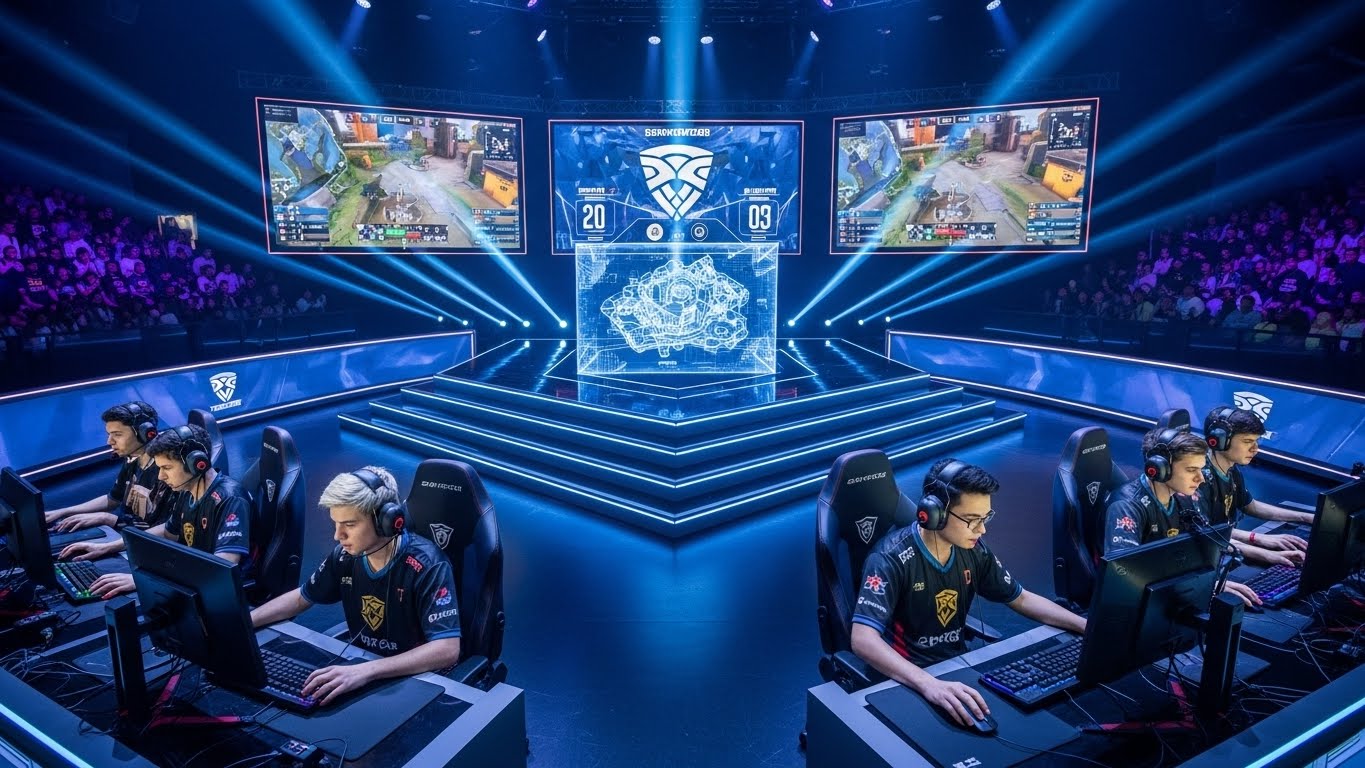
Esports has transcended from being a niche hobby to a booming global industry, captivating millions of fans, players, and organizations across the world. The term “esports,” short for electronic sports, refers to organized multiplayer video game competitions, particularly between professional players, individually or as teams. With high stakes, large audiences, and substantial monetary rewards, esports has firmly established itself as a key player in the entertainment industry. This blog post explores the rise of esports, its global impact, the growing ecosystem, and why it’s much more than just playing video games.
The Evolution of Esports: From Arcade Games to Global Spectacles
Esports didn’t appear overnight. It has a rich history that traces its roots back to the 1970s and 1980s when competitive gaming began as a form of recreation. The first official competitive video game event took place in 1972 with the “Intergalactic Spacewar Olympics,” which featured the game Spacewar. Though small by today’s standards, this event laid the foundation for future competitions.
Fast forward to the 1990s, and the landscape began to change dramatically with the rise of internet cafes and the emergence of multiplayer games. Games like Quake, StarCraft, and Warcraft brought players together from all over the world, fostering the development of competitive gaming communities. Early tournaments were often held in small local venues or through online platforms. However, the true shift came in the 2000s with the development of professional leagues and more accessible streaming platforms.
The explosion of online multiplayer games such as League of Legends, Dota 2, Counter-Strike, and Fortnite further contributed to the rise of esports. With the advent of live streaming platforms like Twitch and YouTube, players were able to broadcast their gameplay, creating a digital ecosystem where fans could watch and interact with their favorite players in real-time. This accessibility catapulted esports into mainstream culture.
The Global Impact of Esports: A Multi-Billion-Dollar Industry
Esports has grown into a global phenomenon, and its economic impact is undeniable. According to estimates, the global esports market was valued at approximately $1.1 billion in 2021, with projections indicating it could surpass $1.6 billion by 2024. This remarkable growth is driven by various factors, including sponsorship deals, media rights, merchandising, ticket sales, and, most notably, the increasing interest from mainstream entertainment companies.
Television networks and major digital platforms have realized the potential of esports as a marketable and engaging medium. Networks like ESPN, TBS, and Turner Sports have aired major esports events, while streaming platforms such as Twitch and YouTube Gaming have provided dedicated spaces for fans to follow their favorite players and teams. Esports viewership has steadily increased over the years, with millions tuning in to watch global tournaments such as The International (Dota 2), League of Legends World Championship, and The Fortnite World Cup. In fact, some of these events now attract larger live audiences than traditional sporting events.
Moreover, esports has become an avenue for brands to reach younger, tech-savvy audiences. Major companies like Coca-Cola, Intel, and Mercedes-Benz have signed sponsorship deals with esports organizations, investing heavily in esports’ marketing potential. This influx of sponsorship dollars has not only boosted the prize pools for tournaments but has also provided a foundation for the continued growth of the esports ecosystem.
The Players and Teams: The Rise of Professional Gamers
At the heart of every esports event are the players themselves, who have gone from being amateur hobbyists to recognized professionals. Many top esports players now earn substantial salaries, including prize money, sponsorships, streaming revenue, and merchandise sales. Some esports stars even attract large social media followings, further increasing their earning potential.
Unlike traditional sports, the path to professional gaming isn’t always clear. While physical sports typically require early training and development in schools or youth leagues, esports players can emerge at any age. In fact, many top players start their journey as teenagers, often excelling in games through sheer dedication, skill, and hours of practice. Players such as Faker (Lee Sang-hyeok), a legendary League of Legends player, have risen to global stardom and are celebrated within their respective games’ communities.
The rise of esports organizations has also contributed to the professionalization of the scene. Teams like Team Liquid, Cloud9, and Fnatic have become household names, and they employ players who specialize in specific games. These organizations not only manage the recruitment and training of players but also handle branding, sponsorships, and other business aspects. Some teams even have their own dedicated training facilities, complete with coaches and analysts who help players improve their skills and strategies.
Esports and the Fans: Creating a Digital Community
One of the defining characteristics of esports is its ability to create passionate fan communities. These communities are built around shared interests in particular games, teams, and players. Fans can watch tournaments in person or via live streaming, but they can also engage in a variety of other ways—such as watching live streams, participating in online discussions, or buying merchandise.
The fan experience in esports is unique. Unlike traditional sports, esports fans are often highly interactive with players, regularly participating in live chat rooms or commenting on streams. Social media platforms such as Twitter, Instagram, and Reddit provide fans with a space to connect, discuss, and celebrate their favorite teams and players. These interactions foster a sense of belonging, allowing fans to feel closely connected to the action.
Esports also offers fans an opportunity to get involved directly through amateur leagues or online tournaments. Many platforms, including League of Legends and Rocket League, host online qualifiers and competitions, enabling everyday players to test their skills and potentially rise through the ranks. This sense of participation allows fans to feel like they are part of the action rather than just passive observers.
The Future of Esports: Innovation and Challenges
As esports continues to grow, the future holds exciting possibilities. Technological advancements, such as virtual reality (VR), augmented reality (AR), and artificial intelligence (AI), are expected to transform both the way games are played and how esports events are produced and experienced. Imagine an esports tournament where fans can watch in immersive VR, experiencing the action from the perspective of their favorite player or team. These innovations could further enhance the engagement factor and take esports to new heights.
Additionally, the growth of mobile gaming is expected to play a major role in the future of esports. Games like PUBG Mobile, Free Fire, and Mobile Legends are already popular in many regions, especially in Asia. The accessibility of mobile devices means that more people can participate in and watch esports, potentially expanding the audience base even further.
However, the esports industry is not without its challenges. One of the primary concerns is player burnout. Professional gamers often face intense pressure to maintain peak performance, leading to mental and physical fatigue. Organizations and leagues have begun to implement initiatives to combat burnout, such as offering mental health resources, ensuring players have sufficient time to rest, and promoting a more balanced lifestyle.
Another challenge is the issue of inclusivity and diversity. Although esports is often viewed as a more inclusive space compared to traditional sports, there are still significant gender and racial disparities. Increasing diversity in esports, both in terms of players and audiences, is essential for the long-term growth and sustainability of the industry. As the industry matures, we can expect to see more efforts to ensure that everyone, regardless of gender or background, has an opportunity to participate and succeed.
Conclusion: A New Era of Competition and Entertainment
Esports is no longer just a passing trend—it’s a cultural and economic force that has reshaped the landscape of digital entertainment. From its humble beginnings in arcades and internet cafes to its present-day status as a multi-billion-dollar industry, esports continues to grow and evolve. The rise of professional players, esports organizations, and global fans has created a unique ecosystem where digital competition, entertainment, and community converge.
Looking ahead, esports will continue to innovate, offering new forms of engagement and expanding its reach across different platforms and demographics. With technological advancements, increasing investment, and a growing base of dedicated fans, the future of esports is bright. Whether you’re a seasoned gamer or a casual viewer, one thing is clear—esports is here to stay, and it’s shaping the future of entertainment in ways we never imagined.