
In the past two decades, the world has witnessed a digital revolution that transformed how people play, compete, and connect. At the heart of this transformation lies esports — the competitive world of organized video gaming. What was once dismissed as a pastime for teenagers in dark rooms has now evolved into a multi-billion-dollar global industry, uniting millions of fans and players across every continent. Esports has grown from local arcade competitions into grand global spectacles broadcast to millions. It is redefining the meaning of competition, entertainment, and even career aspiration.
The Origins of Esports
The story of esports begins long before the age of Twitch streams or YouTube highlights. The roots trace back to the early 1970s, when universities and computer clubs began hosting small tournaments. One of the earliest recorded esports events took place at Stanford University in 1972, where students competed in a game called Spacewar. The grand prize? A year’s subscription to Rolling Stone magazine. While that event seems humble compared to the modern million-dollar tournaments, it laid the foundation for a culture that would explode decades later.
As the 1980s arrived, arcade culture dominated entertainment. Titles like Pac-Man, Donkey Kong, and Space Invaders brought competitive gaming to the masses. Arcades became the first true esports arenas, where players battled for high scores and bragging rights. The 1990s marked a critical turning point. The rise of home consoles, personal computers, and local area networks (LANs) allowed players to connect and compete from home. Games like Doom, Quake, and Street Fighter II became legends in the early competitive scene. It was during this era that esports began to take its first professional steps.
The Explosion of the 2000s
The early 2000s were a defining period for esports. Internet connectivity improved, allowing players to face off across continents in real time. Competitive gaming communities formed around titles such as Counter-Strike, StarCraft, and Warcraft III. South Korea, in particular, became the global hub of esports. The country’s investment in broadband technology and its gaming culture gave rise to professional teams, leagues, and televised esports matches. Players like BoxeR in StarCraft became national icons, treated like celebrities.
At the same time, Western countries started to catch on. Major tournaments like the World Cyber Games and the Electronic Sports World Cup began hosting international events. The prize pools grew, and sponsors started to take notice. For the first time, esports players could make a living through competition. The rise of gaming cafés and LAN centers further boosted the scene, allowing players to train together, forming teams and local leagues. The groundwork for a new type of sporting ecosystem was being laid.
The Streaming Revolution
While the 2000s built the infrastructure, the 2010s brought the explosion. The single most transformative factor in esports’ global reach was live streaming. Platforms like Twitch, YouTube Gaming, and later Facebook Gaming gave millions of fans direct access to live tournaments, player streams, and behind-the-scenes content. Suddenly, watching someone play a video game became as normal as watching football or basketball.
Games like League of Legends, Dota 2, and Counter-Strike: Global Offensive began drawing audiences rivaling traditional sports. The 2013 League of Legends World Championship filled the Staples Center in Los Angeles — an iconic moment proving that esports had arrived. Millions more watched online, cheering for their favorite teams and players. This new media landscape also created an entirely new class of celebrity: the streamer. These content creators combined gaming skill, personality, and storytelling to entertain global audiences daily.
Streaming democratized esports viewership. Fans from every corner of the world could watch top players without needing expensive cable packages or tickets. It also opened doors for smaller games and communities to thrive. Titles like Rocket League, Apex Legends, and Valorant gained traction through grassroots streaming exposure.
The Business of Esports
Today, esports is not just entertainment — it’s big business. The industry is valued in the billions, with revenue streams spanning sponsorships, merchandise, advertising, media rights, and live event ticket sales. Major brands like Coca-Cola, Intel, Red Bull, and Nike have all invested heavily in esports sponsorships. Even traditional sports organizations, such as the NBA and Premier League clubs, have created or acquired esports teams to connect with younger audiences.
Franchise-based leagues like the Overwatch League and the Call of Duty League adopted a model similar to traditional sports, with teams representing cities and regions. This professionalized structure has brought stability, branding power, and legitimacy to the industry. Prize pools have also skyrocketed. Valve’s Dota 2 tournament, The International, has broken records repeatedly, with its 2021 edition surpassing $40 million in prizes — a figure that dwarfs many mainstream sports events.
But beyond the money, esports has reshaped how people view athleticism and skill. Reflexes, strategy, teamwork, and mental resilience are all critical in high-level play. Players train for hours daily, studying opponents and perfecting their mechanics. Coaches, analysts, and sports psychologists are now common parts of team staff. In many ways, esports mirrors the rigor and discipline of traditional athletics.
Esports in Education
One of the most fascinating developments in recent years has been the rise of esports in education. High schools and universities across the globe are now offering scholarships and varsity programs for esports athletes. Institutions recognize that competitive gaming builds valuable skills: communication, leadership, problem-solving, and teamwork. For many students, esports provides a sense of belonging and an avenue for career development beyond playing — in areas like game design, broadcasting, marketing, and event management.
Organizations such as the National Association of Collegiate Esports (NACE) in the United States have formalized collegiate competitions, giving students structured leagues and national championships. This growing academic embrace further cements esports as a legitimate discipline, not just a recreational pursuit.
Global Reach and Cultural Impact
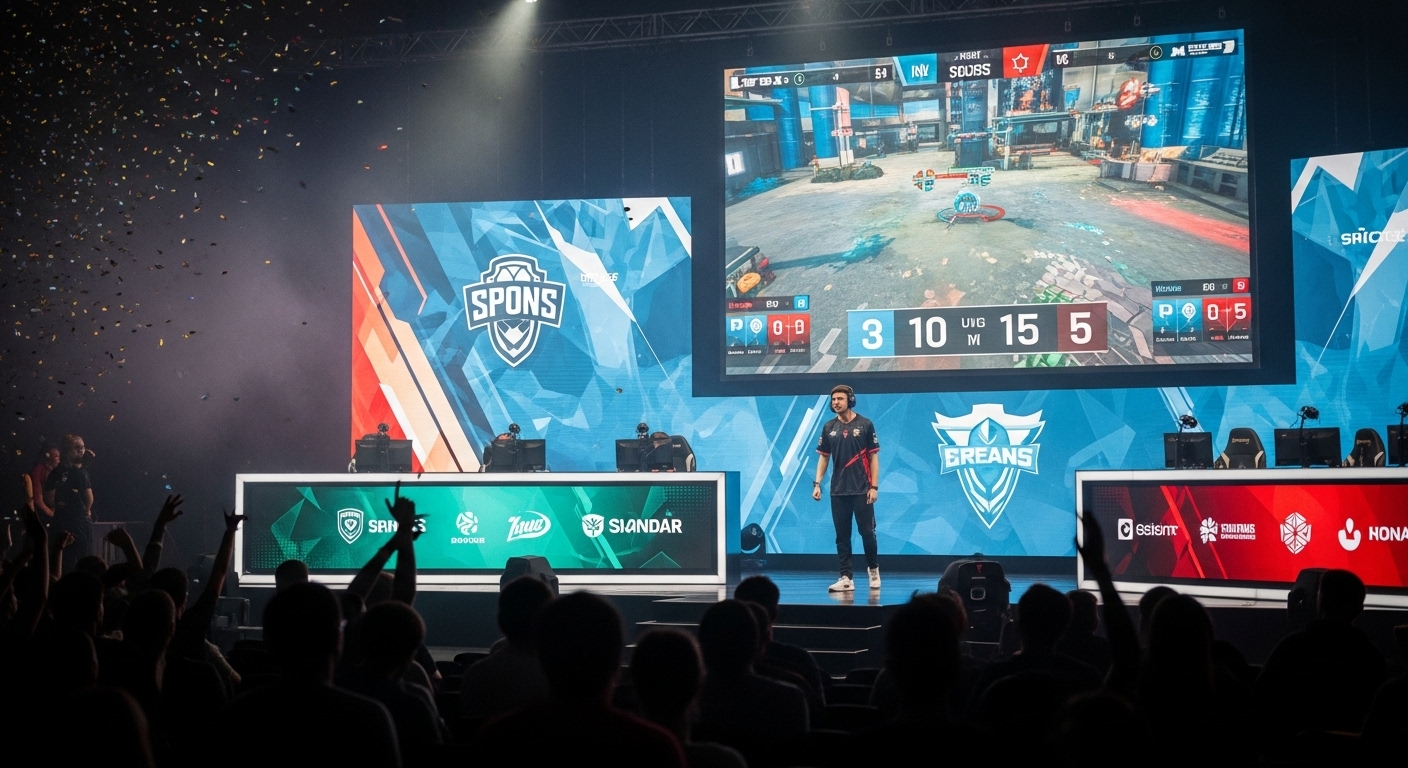
Esports transcends language, borders, and demographics. Tournaments attract fans from every continent, uniting people through shared passion. Major events are broadcast in multiple languages, with commentary teams from Korea to Brazil. Cities like Seoul, Shanghai, and Los Angeles have become esports capitals, hosting grand finals that feel like festivals.
Culturally, esports has reshaped media, fashion, and entertainment. Streetwear brands collaborate with teams. Music artists perform at tournaments — from Imagine Dragons opening the League of Legends World Finals to DJ Zedd creating exclusive event soundtracks. Esports organizations are now multimedia brands, producing documentaries, podcasts, and lifestyle content. The line between gaming and mainstream pop culture has all but disappeared.
Esports also drives social change. The community often rallies around causes such as mental health awareness, inclusivity, and diversity. While challenges remain — including representation and toxicity issues — esports offers a platform for global dialogue. It’s not just about playing; it’s about identity, creativity, and expression.
The Technology Behind the Scene
Behind the glamour of tournaments lies a complex technological ecosystem. High-performance gaming PCs, advanced networking, broadcast software, and virtual production tools power modern esports events. Cloud gaming and 5G connectivity promise to make competitions even more accessible. Artificial intelligence and analytics are revolutionizing strategy, helping teams dissect gameplay patterns in ways that were impossible a decade ago.
Virtual reality (VR) and augmented reality (AR) are beginning to merge with esports, creating immersive viewer experiences. Fans may soon be able to step virtually into arenas or view matches from the perspective of players in real time. Blockchain and NFT technology have also entered the conversation, offering potential new ways to reward fans and secure digital assets — though these innovations are still controversial.
The Role of Game Developers
Game developers play a crucial role in the esports ecosystem. Titles like Riot Games’ League of Legends, Valve’s Counter-Strike, and Epic Games’ Fortnite are not just games — they are platforms designed for long-term competitive ecosystems. Developers balance patches, release new content, and manage competitive integrity. Many host their own leagues, ensuring that the community and competition evolve in harmony.
This partnership between developers, teams, and tournament organizers is delicate but essential. The success of an esports title depends on consistent developer support, spectator-friendly design, and a vibrant player base. The most enduring games often strike a balance between accessibility for new players and depth for professionals.
Esports and Mainstream Recognition
The journey of esports toward mainstream recognition has been both exciting and challenging. For years, skeptics dismissed it as a fad or mere entertainment. However, the numbers speak differently. Esports viewership now rivals — and in some cases surpasses — major traditional sports events. The global audience is estimated to exceed half a billion people, with the majority under 35 years old. This demographic is the future of digital entertainment, making esports a key pillar of modern media strategy.
Governments and Olympic committees are also paying attention. The 2022 Asian Games officially recognized esports as a medal event, marking a historic milestone. Conversations about inclusion in future Olympic Games continue, reflecting esports’ undeniable cultural and athletic impact.
The Challenges Ahead
Despite its meteoric rise, esports faces its share of challenges. Sustainability is one of the biggest. Many organizations struggle with profitability, relying heavily on sponsorships rather than direct consumer revenue. Player burnout is another issue, with intense training schedules and mental health pressures leading to short careers. Competitive balance and fair play remain ongoing debates, especially with concerns about cheating, match-fixing, and online harassment.
Additionally, the fast-paced nature of gaming poses a risk: what’s popular today may fade tomorrow. Unlike traditional sports, which evolve slowly, esports titles can lose relevance overnight. This volatility demands constant adaptation from players, teams, and investors.
Regulation is another key challenge. With esports spanning multiple countries, there’s no unified governing body. Different regions have their own standards for contracts, player rights, and tournament integrity. As the industry grows, establishing consistent global frameworks will be crucial for stability and legitimacy.
The Future of Esports
Looking ahead, the future of esports shines bright. The next decade promises further expansion, innovation, and cultural integration. As technology continues to evolve, esports will likely blend even more with virtual experiences, streaming platforms, and social media ecosystems. Hybrid events — combining live audiences with digital interactivity — will redefine how fans engage.
Mobile esports is another booming frontier, particularly in Asia, where titles like PUBG Mobile and Mobile Legends dominate. Accessibility will drive inclusivity, bringing competitive gaming to millions who may not own high-end PCs or consoles.
Esports will also increasingly intersect with education, health, and business. Cognitive training programs are exploring how gaming sharpens focus and decision-making. Corporations are using esports-style simulations for team-building. The boundaries of application are limitless.
Perhaps the most exciting prospect is the generational shift. For Gen Z and beyond, esports isn’t an alternative — it’s the norm. It’s how they connect, compete, and celebrate. Just as sports heroes inspired past generations, esports champions now inspire the digital age.
Conclusion: The Game Has Just Begun
Esports represents more than competition; it’s a reflection of the digital era’s spirit — creativity, connection, and constant evolution. It unites people across borders, turns passion into profession, and transforms pixels into pride. From the first university tournaments of the 1970s to the billion-dollar stages of today, esports has rewritten what it means to be an athlete and a fan. It’s not just about gaming anymore; it’s about community, innovation, and human potential. The future of sports is not on the field — it’s on the screen. And as long as humans crave challenge and storytelling, esports will continue to thrive as one of the defining cultural movements of our time.