
Esports, short for electronic sports, has transformed from a niche pastime into one of the fastest-growing entertainment and sporting industries in the world. What once began as friendly competitions between friends in small LAN gatherings has evolved into massive international tournaments with multimillion-dollar prize pools, millions of viewers, and professional athletes who train, strategize, and perform at the highest level.
Today, Esports is not merely about video games—it’s about culture, technology, community, and a new definition of competition. This article explores the remarkable evolution of Esports, the factors driving its success, its cultural impact, and what the future might hold for this booming industry.
The Early Roots of Competitive Gaming
Before the term “Esports” even existed, competitive gaming had already taken its first steps. The earliest recorded gaming tournament took place in 1972 at Stanford University, where students competed in the game “Spacewar.” The prize was modest—a year’s subscription to Rolling Stone magazine—but it was a milestone moment. It marked the first time people gathered specifically to test their gaming skills against others.
During the 1980s, video gaming became more accessible with the arrival of arcade machines and home consoles. Titles like Pac-Man, Donkey Kong, and Space Invaders inspired players to chase high scores. Competitive gaming during this era was centered on beating those numbers, earning recognition in local arcades, and getting one’s initials at the top of the leaderboard.
The 1990s brought something new: multiplayer competition. With the rise of local area networks (LANs), players could now face each other in real time. Games like Doom, Quake, and StarCraft popularized the concept of player-versus-player matches. LAN parties became social gatherings where players lugged bulky computers to one location, connected them, and played for hours.
It was in this decade that professional gaming began to take shape. South Korea, in particular, became a breeding ground for competitive gaming, largely due to the widespread availability of high-speed internet and the popularity of StarCraft. The government and media recognized its potential, broadcasting matches on TV and nurturing a culture that would later make Korea one of the world’s Esports powerhouses.
The 2000s: The Foundation of Modern Esports
The early 2000s marked the true foundation of Esports as we know it. Online connectivity had improved dramatically, enabling gamers to compete across regions and continents. Titles such as Counter-Strike, Warcraft III, Halo, and Dota became the pillars of competitive gaming communities.
Professional leagues began to emerge. The Cyberathlete Professional League (CPL), Major League Gaming (MLG), and the Electronic Sports World Cup (ESWC) were among the first organized attempts to give structure to this growing phenomenon. They introduced standardized tournaments, sponsorships, and prize money that reached into six figures—a huge step forward from the early days of pizza and bragging rights.
Meanwhile, Esports continued to flourish in Asia, particularly in South Korea and China. Korean cable networks started broadcasting StarCraft matches, turning players like Lim “BoxeR” Yo-hwan into national celebrities. In China, internet cafés became training grounds for future champions in games like Warcraft III and Dota.
This period also saw the birth of fan communities that discussed strategies, shared match replays, and supported their favorite players. Forums and early streaming services created a sense of belonging and identity that would later evolve into today’s massive online fandoms.
The Explosion of the 2010s: Esports Goes Mainstream
If the 2000s were the foundation, the 2010s were the explosion. Esports evolved from a subculture into a mainstream industry. Several key developments fueled this transformation.
The Power of Streaming
One of the most influential forces behind Esports’ growth was live streaming. Platforms like Twitch revolutionized how fans consumed gaming content. Instead of relying on television broadcasts, viewers could now watch tournaments, practice sessions, and personal streams directly from their devices. This accessibility created a direct link between professional players and their audiences, fostering authenticity and community engagement.
Streaming democratized the scene. Anyone could start streaming, and talented players could rise to fame without the backing of traditional media. The personalities of players, not just their skill, became part of the entertainment.
The Rise of Major Titles
During this decade, certain games became synonymous with Esports itself. Titles like League of Legends, Dota 2, Counter-Strike: Global Offensive, Overwatch, and Fortnite defined the era.
League of Legends, launched in 2009, rapidly grew into a global phenomenon. Its developer, Riot Games, invested heavily in professional leagues, structured competition, and storytelling around its players. The annual League of Legends World Championship became one of the most-watched events in the world, with grand finals filling stadiums and drawing tens of millions of online viewers.
Valve’s Dota 2 introduced another major innovation: The International, a tournament whose prize pool was funded by community contributions through in-game purchases. This approach shattered records year after year, turning ordinary players into millionaires overnight.
Meanwhile, CS:GO maintained the legacy of tactical shooters, Overwatch introduced a polished team-based FPS with global appeal, and Fortnite merged entertainment and Esports with celebrity show matches and unique events.
Corporate Investment and Sponsorship
As audiences grew, brands took notice. Energy drink companies, computer hardware manufacturers, and even mainstream corporations like car brands and financial institutions began sponsoring teams and tournaments. Esports organizations like Team Liquid, Fnatic, T1, and Cloud9 became recognized names not only in gaming circles but also in mainstream culture.
Professional Esports athletes began signing contracts similar to those of traditional sports players. Teams hired coaches, analysts, nutritionists, and sports psychologists. What had started as hobbyist competition evolved into a legitimate career path.
Media Recognition
The 2010s also brought Esports closer to mainstream media. Major networks began covering events, and documentaries highlighted the lives of players. Universities started offering Esports scholarships, and cities competed to host international finals. What was once dismissed as “kids playing games” had proven its staying power as a global sport.
The Business of Esports
The business ecosystem behind Esports is as complex and multifaceted as that of traditional sports. Revenue streams include sponsorships, media rights, ticket sales, in-game purchases, and merchandise.
Teams operate like professional sports franchises, with player salaries, transfers, and brand deals. Tournament organizers such as Riot Games, ESL, and Blast Premier run global circuits, while streaming platforms compete for exclusive broadcast rights.
Investors see Esports as a long-term bet on digital entertainment. The audience is young, tech-savvy, and highly engaged—attributes that traditional media outlets are desperate to capture. This has led to the rise of Esports-focused venture capital, celebrity investments, and even collaborations with traditional sports teams.
Despite occasional financial challenges, Esports continues to grow because of its adaptability. Unlike physical sports, it isn’t limited by geography or infrastructure. Anyone with an internet connection can participate, watch, and contribute to the ecosystem.
Esports and Technology: A Perfect Partnership
Esports thrives at the intersection of technology and creativity. Every technological leap—from faster internet speeds to powerful gaming PCs—has expanded its potential.
Virtual reality and augmented reality could redefine competitive gaming in the coming years, offering immersive experiences that merge physical and digital skills. Cloud gaming platforms may eliminate hardware barriers, allowing more people around the world to participate.
Artificial intelligence and analytics have already become integral in team strategy and training. Coaches use data analysis to study opponents, predict patterns, and optimize performance. The level of professionalism in modern Esports preparation rivals that of any elite sports organization.
Even blockchain technology has found its way into Esports, with some platforms experimenting with decentralized tournament structures, digital collectibles, and transparent prize distribution.
The Players: Modern Digital Athletes
Esports athletes are redefining what it means to be a competitor. The stereotype of the isolated gamer has given way to disciplined professionals who undergo rigorous training routines.
A top-tier player might practice eight to twelve hours a day, focusing on mechanics, communication, teamwork, and mental resilience. Teams live together in training houses or facilities equipped with high-speed networks, coaches, and nutrition plans.
Mental health has become a key focus. The pressure of performing in front of millions of fans, handling sponsorship obligations, and maintaining peak form can take a toll. Many organizations now employ psychologists and counselors to support players.
Just like in traditional sports, the careers of Esports players can be short. Reaction times, adaptability, and motivation often peak in the early twenties. However, the industry has created post-retirement opportunities—former players become coaches, analysts, content creators, or entrepreneurs within the same ecosystem.
The Fans and Culture of Esports
Esports fandom is global, passionate, and deeply engaged. Fans follow teams across multiple games, watch live streams daily, and participate in online discussions. Social media platforms like Twitter, Discord, and Reddit have become virtual stadiums where fans celebrate victories and debate strategies.
Unlike traditional sports fans, Esports followers are often active participants in the same games they watch. This creates a unique relationship between player and audience—one based on shared experience rather than passive viewership.
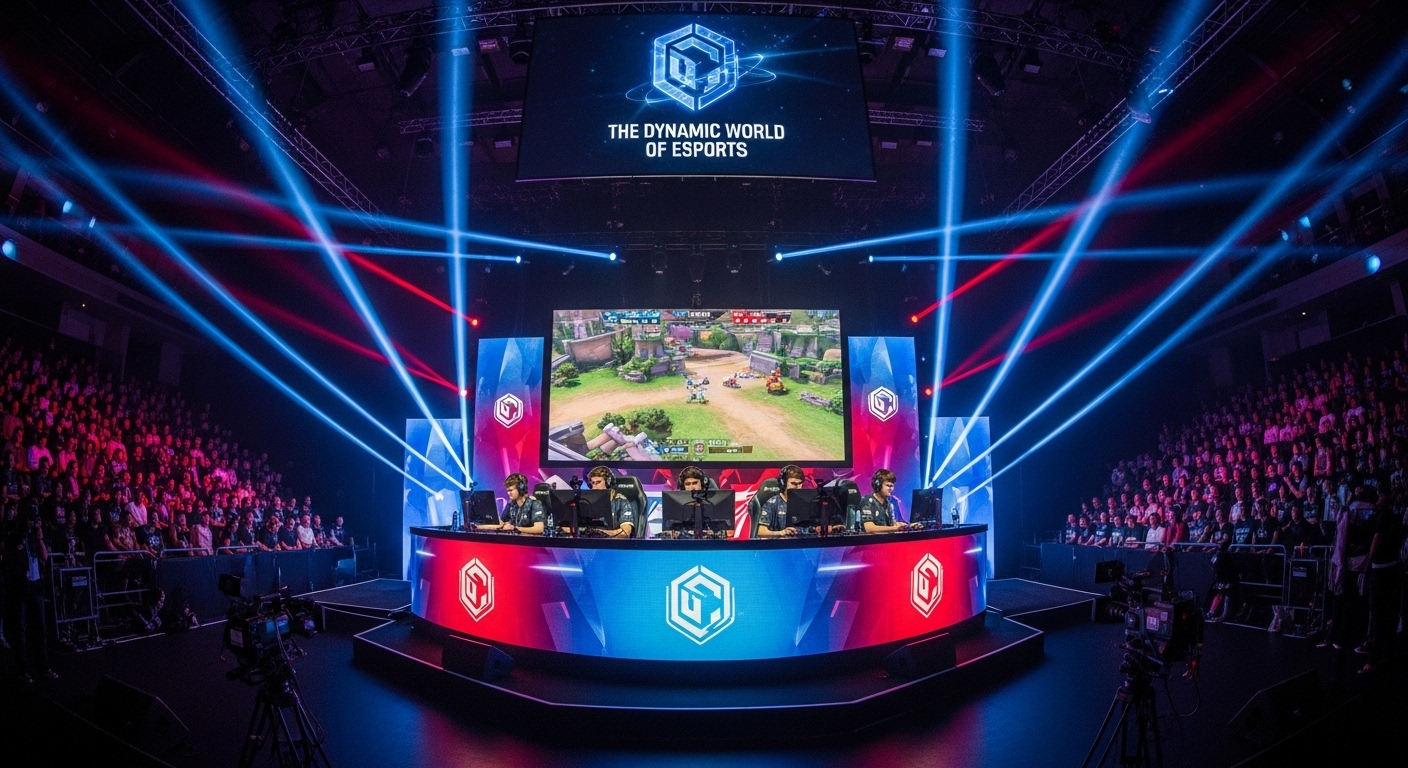
Esports events themselves are spectacles. Arena lights, live commentators, player introductions, and crowd chants all contribute to an electrifying atmosphere. International tournaments such as The International, LoL Worlds, and Valorant Champions feel like a blend of sporting event, concert, and digital festival.
Esports culture has also heavily influenced music, fashion, and entertainment. Gaming-inspired clothing lines, collaborations with musicians, and even virtual concerts inside games have blurred the lines between different forms of digital culture.
Challenges Facing the Industry
Despite its success, Esports faces several challenges as it continues to mature.
Sustainability and Profitability
While viewership numbers are staggering, not all organizations are profitable. Tournament costs, player salaries, and production expenses can outweigh revenue for many teams. Finding sustainable business models remains a work in progress.
Player Welfare
The demanding nature of Esports can lead to burnout and health issues. Long hours of practice, inconsistent sleep, and lack of physical activity can impact well-being. The industry is now recognizing the need for better support systems, balanced schedules, and long-term career planning.
Regulation and Integrity
As Esports grows, so do issues related to cheating, match-fixing, and betting. Establishing global standards and governing bodies is a continuing effort to ensure fair play and maintain public trust.
Diversity and Inclusion
The Esports community, while global, still struggles with gender imbalance and toxic behavior in certain spaces. Initiatives to promote inclusivity, female representation, and positive gaming culture are crucial for the industry’s future.
Esports and Education
An interesting development in recent years is the connection between Esports and education. Universities around the world have started offering Esports scholarships and academic programs that cover game design, management, and performance analytics.
High schools are forming Esports clubs, teaching teamwork, communication, and digital literacy. Beyond competition, Esports is also seen as a pathway to careers in media production, event management, marketing, and technology.
This educational integration helps legitimize Esports further and prepares the next generation to contribute meaningfully to its growth.
The Global Impact of Esports
Esports is not confined by borders. Its global nature has fostered cross-cultural connections unlike any other sport. Players from Europe compete against teams from Asia and North America in real time, and fans from every continent cheer for the same match.
In countries like South Korea, China, and the United States, Esports is already a cultural mainstay. Emerging regions like the Middle East, Africa, and South America are rapidly developing their own professional scenes. The accessibility of digital competition means no region is left behind.
Esports has also influenced governments and economies. Some countries officially recognize professional gamers as athletes, offering them visas to compete internationally. Cities that host major tournaments benefit from tourism and global exposure.
The Future of Esports
Looking ahead, the future of Esports appears brighter than ever. Technological innovations, growing audiences, and cultural acceptance will continue to drive expansion.
We can expect even deeper integration with entertainment media—crossovers with movies, virtual concerts, and metaverse-style experiences. Mobile Esports will dominate in regions where smartphones are the main gaming platform, while traditional PC and console scenes will continue evolving.
Artificial intelligence may reshape how teams analyze data and train, while augmented reality could create hybrid physical-digital competitions. Virtual arenas may host millions of viewers simultaneously, connecting people across the globe in ways unimaginable a decade ago.
As generations grow up with gaming as a central part of their lives, Esports will likely become as mainstream as football or basketball. The notion of what constitutes a “sport” will continue to expand, emphasizing skill, discipline, and community over physical exertion alone.
Conclusion: The New Era of Competition
Esports represents the spirit of modern competition—a fusion of technology, creativity, and human ambition. It embodies how entertainment evolves in the digital age, turning passion into profession and games into global spectacles.
From humble beginnings in university basements to stadiums filled with roaring fans, Esports has proven that the future of sports doesn’t just belong on the field or the court—it also lives on screens, in servers, and in the hearts of millions who play, watch, and dream.
Whether you are a casual gamer, a dedicated fan, or someone just discovering this world, Esports offers something unique: a celebration of skill, strategy, and shared experience that transcends boundaries.
The game is no longer confined to pixels—it has become a defining part of 21st-century culture. And as the players continue to compete, innovate, and inspire, one thing is certain: the Esports revolution has only just begun.