
Introduction: The New Age of Sports Entertainment
Esports, or competitive gaming, has grown from a niche hobby into a global phenomenon. Once a subculture for hardcore gamers, esports now attracts millions of fans worldwide, generates billions in revenue, and provides a legitimate career path for talented players. Major tournaments fill arenas, and streaming platforms like Twitch and YouTube host millions of viewers. Whether you’re an avid gamer or someone new to the scene, the rise of esports is undeniable. In this blog post, we explore the explosive growth of esports, how it’s changing the landscape of traditional sports, and why it’s here to stay.
What Is Esports? A New Definition of Competition
Esports refers to organized, multiplayer video game competitions, particularly between professional players, individually or as teams. While video games have always had a competitive element, esports elevates gaming to a level akin to traditional sports. Professional gamers train for years to perfect their skills, much like athletes in football or basketball. Esports includes a variety of games, ranging from first-person shooters (FPS) like Counter-Strike and Call of Duty to real-time strategy games like StarCraft and multiplayer online battle arenas (MOBAs) such as League of Legends.
The key element that sets esports apart is its structure. Competitions are organized into leagues and tournaments with professional teams and coaches. Just like traditional sports, esports features sponsorship deals, merchandise, broadcast rights, and endorsements. The stakes are high, and the competition is fierce. With prize pools reaching millions of dollars, esports has carved out a significant space in the global entertainment market.
The Meteoric Rise of Esports: From Bedroom to Stadium
Esports has evolved rapidly over the past two decades. What began as small, community-run tournaments has grown into a multi-billion-dollar industry. The early 2000s saw the rise of games like StarCraft and Warcraft III, which laid the foundation for organized esports. Events like World Cyber Games (WCG) and DreamHack began attracting global attention, but it wasn’t until the 2010s that esports truly exploded.
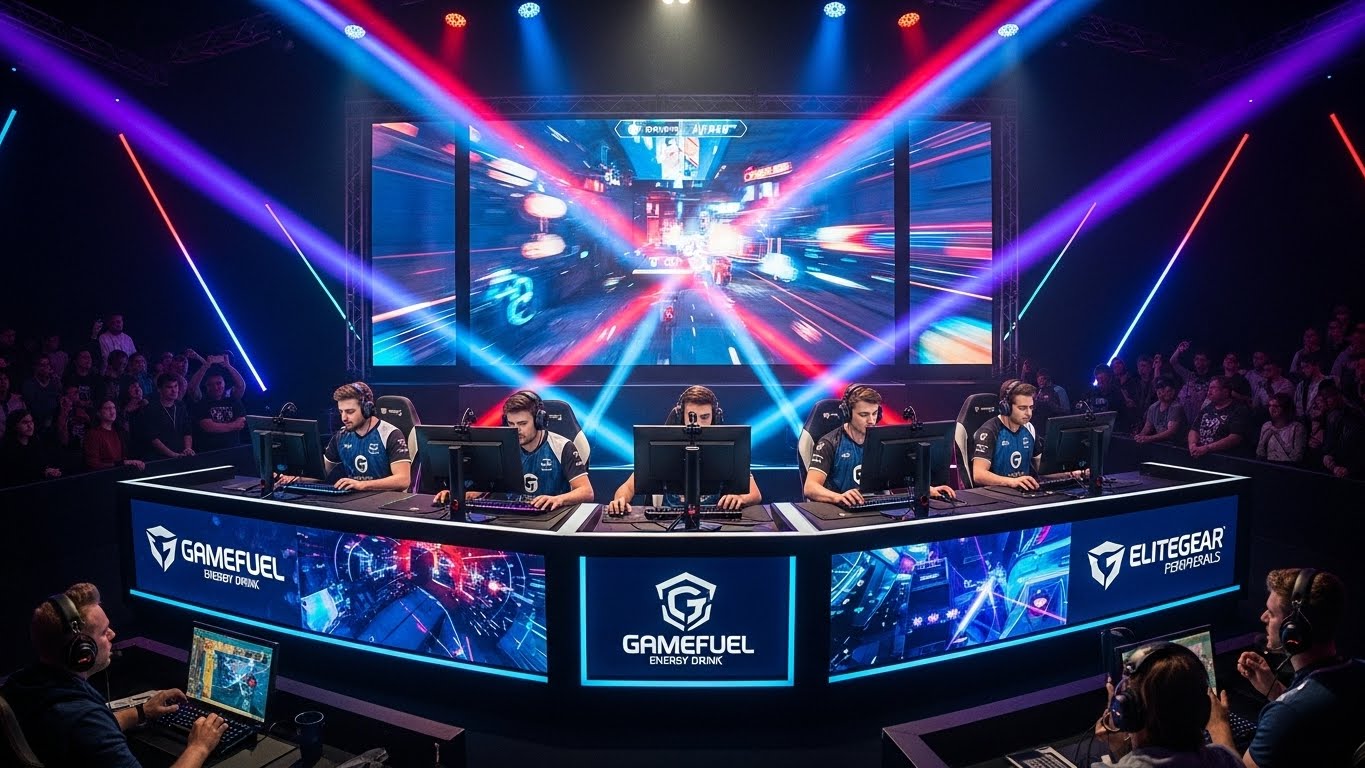
The rise of streaming platforms like Twitch revolutionized esports by allowing viewers to watch live gameplay and interact with players. This shift helped build a fanbase and created a new form of entertainment. In 2011, the League of Legends World Championship became one of the first major esports tournaments to attract millions of viewers, and since then, the growth has been exponential. Today, esports tournaments like The International (Dota 2), League of Legends Worlds, and Fortnite World Cup routinely fill stadiums, and their prize pools often surpass those of traditional sports events like the US Open or Wimbledon.
Streaming platforms, sponsorships, and partnerships with major brands like Coca-Cola, Intel, and Red Bull have helped cement esports as a legitimate and profitable sector. It’s no longer just a hobby; it’s a career for many, and esports athletes now receive the same level of media attention as professional sports stars.
Why Esports Is Changing the Landscape of Sports
Esports has disrupted the traditional sports industry in many ways. For starters, the accessibility of video games makes esports more inclusive. Unlike traditional sports, which often require physical prowess or expensive equipment, esports only requires a computer or gaming console and an internet connection. This accessibility has helped esports appeal to a broader audience, including younger generations who are growing up in a digital-first world.
Furthermore, esports has completely changed the concept of team dynamics and fan engagement. In traditional sports, games take place in physical arenas with live audiences. While this is also true for esports, a significant portion of the fanbase is online. Esports fans are not just passive viewers; they are active participants. Through live streams, fans can interact with players in real-time, participate in online discussions, and follow their favorite teams and players through social media.
Another aspect that sets esports apart is its ability to connect players and fans across the globe. Traditional sports have regional followings, but esports has created a truly global ecosystem. Fans from all over the world tune in to watch players compete in games that transcend language and cultural barriers. Major tournaments feature international teams, and this global competition has helped bring people from different cultures and backgrounds together.
The Economics of Esports: Money, Sponsorships, and Careers
The financial impact of esports is staggering. In 2021, the global esports market was valued at over $1 billion, and it is expected to grow even further. Revenue is generated through multiple channels, including sponsorships, broadcasting rights, merchandising, and live event ticket sales. Esports has become a powerhouse for brands looking to target younger audiences. The average esports viewer is typically between the ages of 18 and 34, a highly sought-after demographic for advertisers.
Sponsorship deals play a major role in the economics of esports. Big-name brands like Red Bull, Nike, and Samsung have partnered with esports organizations and individual players to promote their products. These sponsorships are mutually beneficial—brands gain exposure to millions of potential customers, and players and teams receive financial support to continue competing at the highest level.
Additionally, the rise of esports as a career path has created job opportunities beyond playing. Esports has a growing ecosystem that includes coaches, analysts, broadcasters, event organizers, and content creators. These careers offer stability and growth in a rapidly expanding industry, making esports a viable option for many young professionals.
The Mental and Physical Challenges of Esports Athletes
While esports may not require the same physical exertion as traditional sports, it is by no means easy. Esports athletes face intense mental and physical challenges that often go unnoticed by the general public. Just like professional athletes, esports players undergo grueling training sessions that involve hours of practice and strategic analysis.
In fact, many esports professionals train for 8 to 12 hours a day, honing their skills and learning new strategies to stay ahead of their competitors. Mental toughness is just as important as hand-eye coordination and reflexes. Players must be able to stay focused under pressure, make split-second decisions, and communicate effectively with teammates. As the competition gets more intense, the mental strain increases, and players often face burnout and stress-related issues.
Furthermore, the physical demands of esports should not be underestimated. While esports players may not run laps or lift weights, they still experience strain from long hours spent in front of a screen. Repetitive motions, poor posture, and eye strain can all contribute to health problems, such as carpal tunnel syndrome, back pain, and vision issues. To combat these challenges, esports organizations have begun hiring fitness coaches and mental health professionals to help players maintain their physical and mental well-being.
The Future of Esports: Innovation, Diversity, and Growth
The future of esports is incredibly promising. As technology continues to evolve, esports will only become more immersive and accessible. Virtual reality (VR) and augmented reality (AR) are expected to play a larger role in esports, creating new ways for players and fans to engage with the action. VR esports could provide an entirely new gaming experience, where players physically interact with their environment in a virtual space.
In addition to technological advancements, esports will continue to grow in terms of diversity and inclusion. While esports has traditionally been dominated by male players, there is a growing movement to encourage more women to participate, both as players and as professionals in other areas of the industry. Organizations are working to break down barriers and ensure that esports remains an inclusive space for people of all genders, races, and backgrounds.
The rise of mobile esports is another exciting trend. With the advent of powerful smartphones, competitive gaming is no longer confined to high-end gaming PCs and consoles. Mobile esports tournaments, especially in countries like China and India, have exploded in popularity, and games like PUBG Mobile and Free Fire are drawing millions of viewers. This trend will continue as mobile gaming becomes more accessible and competitive.
Conclusion: Esports Is Here to Stay
Esports has firmly established itself as a legitimate form of entertainment, offering thrilling competition, huge audiences, and career opportunities for aspiring players. The rise of esports is a testament to how the gaming industry has evolved and how technology has reshaped the landscape of sports. With continued growth, technological innovation, and greater diversity, esports is poised to continue its global domination.
Esports is more than just a trend—it is a cultural phenomenon that is here to stay. As the industry matures, it will likely continue to change the way we think about sports, entertainment, and competition. Whether you’re a gamer or a fan, there’s no denying the massive impact esports is having on the world stage.